
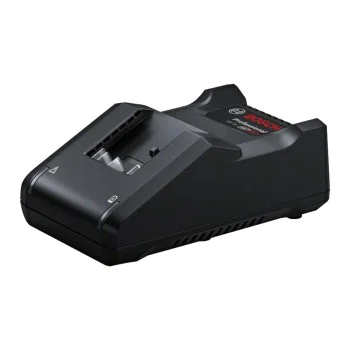
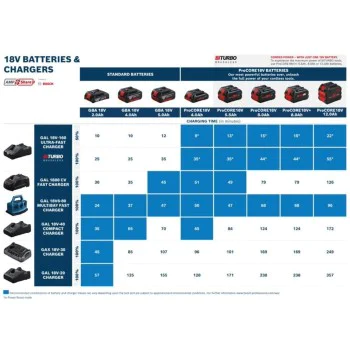
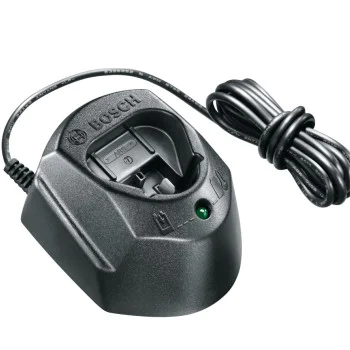
-350x350.jpeg.webp "Charger - Bosch, GAL 18V-20 for Li-Ion 18 V batteries, 2607226281")

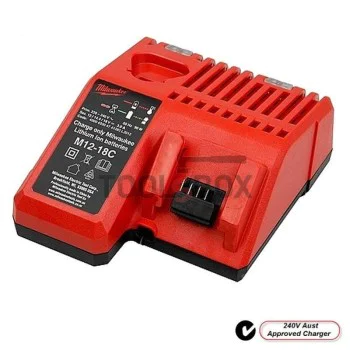
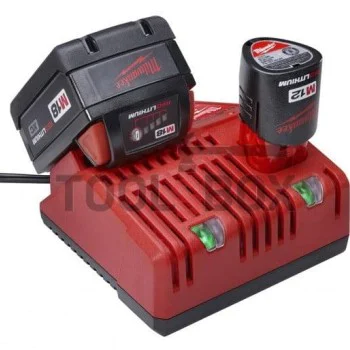
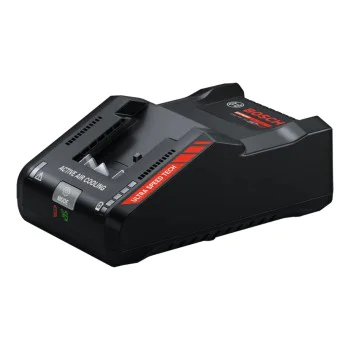
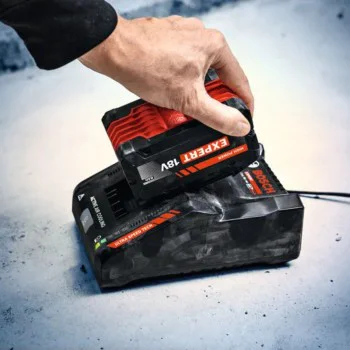

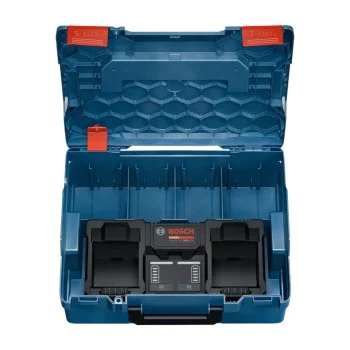
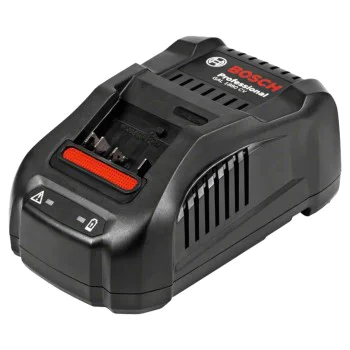
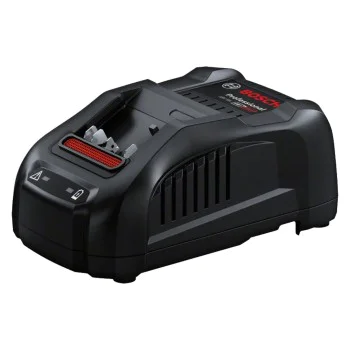
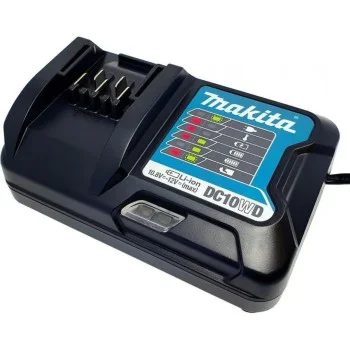
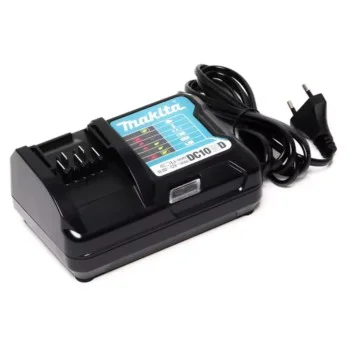
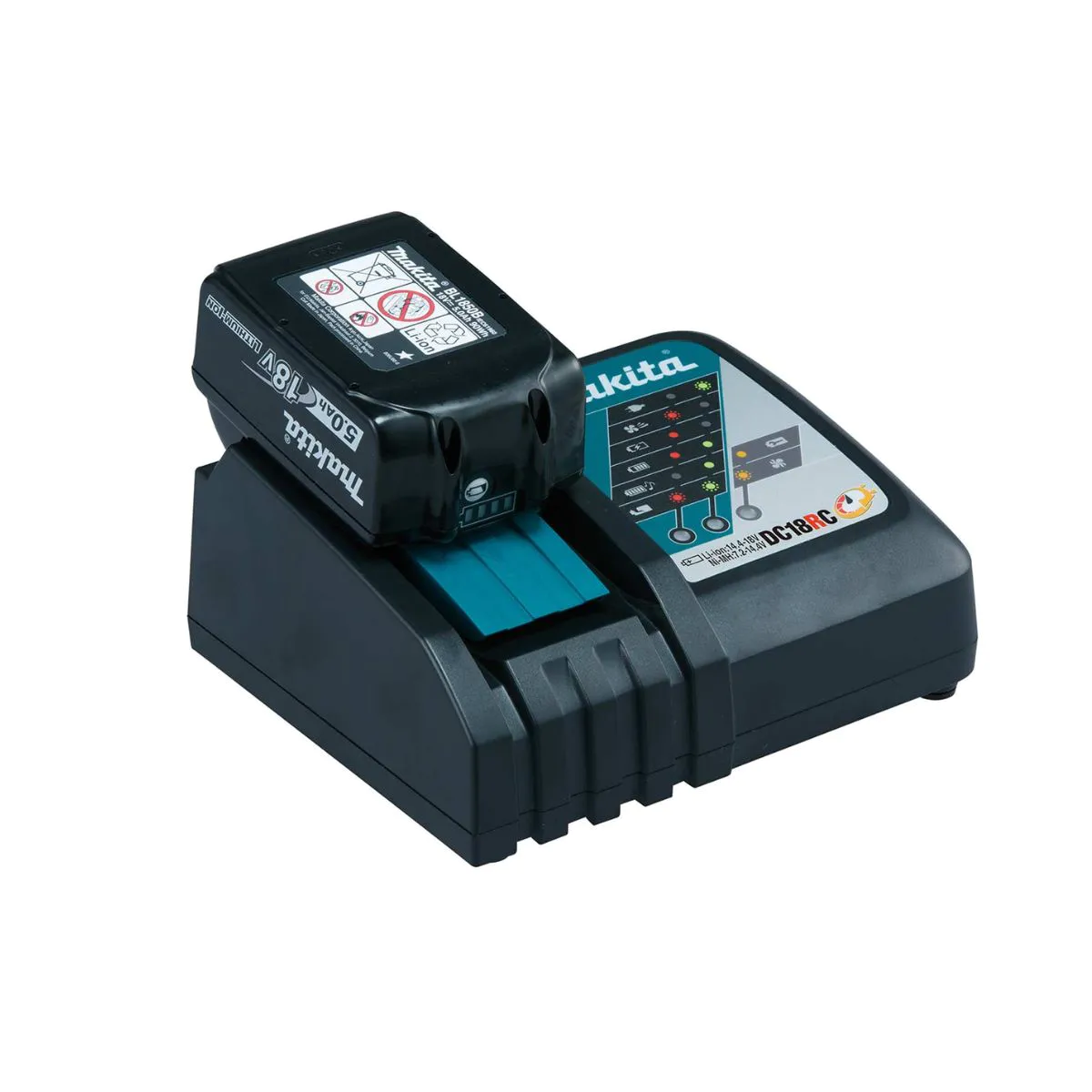
Charging device
Charger for batteries, rechargeable batteries, and equipment
A charger is an essential component for maintaining the operational readiness of cordless tools, garden machinery, service equipment, car batteries, and various portable devices. A well-chosen charger reduces downtime between tasks, protects the battery from improper charging, and ensures reliable performance during repairs, installation, construction, car maintenance, or workshop work.
Toolsbox.bg offers chargers for various types of batteries and accumulators-from compact models for lithium-ion batteries in power tools to devices for lead-acid, AGM, and GEL batteries. Some models are designed for daily professional use, while others are suitable for a home garage, hobby workshop, or seasonal equipment maintenance. The differences between them relate to voltage, charging current, battery type, number of ports, operating mode, safety features, and display.
What to Consider When Choosing a Charger
Chargers differ not only in appearance and size, but primarily in electrical parameters and intended use. For cordless power tools, the charger must match the specific battery in terms of voltage, chemical composition, and connector system. For automotive batteries, the nominal voltage, capacity in Ah, and battery type are considered. An incorrect match between the charger and the battery shortens the life of the cells and, in certain situations, creates a risk of overheating.
For workshops and service centers, models with a higher charging current, clear visual or digital indicators, and protection against reverse connection, short circuits, and overloading are practical. For home use, a compact device with easy operation and a sturdy housing is often sufficient. When working with multiple cordless tools, charging stations with more than one slot offer convenience because they allow you to prepare several batteries for the next work cycle.
Types of Chargers and Applications
Different tasks require different types of chargers. For power tools, compatibility with the battery and platform of the respective series is required. For cars, motorcycles, boats, campers, and agricultural machinery, devices for starter batteries are used, where the charging current must be matched to the battery's capacity. For battery-powered garden tools, the voltage, battery type, and charging time between tasks are important.
| Charger Type | Application | What to look for |
|---|---|---|
| For power tool batteries | Screwdrivers, drills, grinders, saws, and other cordless tools | Voltage, battery type, connector system, charging time |
| For automotive batteries | Cars, motorcycles, vans, garage and service operations | 12 V or 24 V, charging current, capacity in Ah, maintenance mode |
| For garden equipment | Lawn mowers, trimmers, hedge trimmers, sprayers, and other battery-powered machines | Battery series, charger power, overheating protection |
| Multifunctional chargers | Workshop, service center, garage, maintenance of various types of equipment | Voltage range, modes, cables, clamps, and indicators |
Criteria for choosing a charger
First, check the voltage and type of battery. Lithium-ion batteries require a device with proper charge management, while lead-acid batteries operate in different modes depending on their condition and capacity. The charging current affects the charging time-a higher current speeds up the process, but it must be safe for the specific battery. For small batteries, excessively high current is not advisable, while for large batteries, a device with too low a current significantly extends the charging time.
Chargers with clear indicators for start, charging, cycle complete, and incorrect connection are practical. During service work, the display helps monitor voltage, current, and battery status more accurately. For mobile teams, weight, size, housing durability, and cable length are important. For a stationary workshop, stable models with good cooling and sturdy terminals are more convenient.
Compatibility with Batteries and Rechargeable Batteries
Compatibility is crucial for chargers for cordless tools. Even the same voltage is not enough when the contacts, electronics, or chemical composition of the battery differ. When selecting a charger for a specific screwdriver, hammer drill, angle grinder, or garden tool, it is wise to consider the battery series, capacity, and socket type. For automotive batteries, check the 6 V, 12 V, or 24 V mode, the battery type, and the recommended charging current.
Protections and Safe Operation
The charger operates on electrical power and battery cells, so safety features are not a detail to be overlooked. Thermal protection reduces the risk of overheating, short-circuit protection safeguards the device and the battery, and reverse polarity protection is useful when working with car battery clamps. Sturdy cables, well-insulated connectors, and secure clamp attachments facilitate safe operation in a garage, workshop, or construction environment.
Maintenance and Proper Use
Chargers require a dry and well-ventilated operating environment, away from direct moisture, dust, and heavy impacts. The contacts should be kept clean, and the cables should be inspected for kinks or damaged insulation. For car battery chargers, it is advisable to clean the terminals after use to ensure a secure connection. Covering the unit during charging is not recommended, as cooling is part of the device's normal operation.
During long periods of inactivity, batteries and accumulators should be stored according to the manufacturer's instructions. A charger with a trickle charge mode is convenient for seasonal vehicles, motorcycles, RVs, and garden equipment that remain unused for part of the year. This keeps the battery ready for use and reduces the risk of deep discharge.
Charger for professional and home use
For professional use, the charger must withstand frequent switching on, transport, and operation with various batteries or rechargeable batteries. For home use, ease of operation, clear indicators, and secure connections are key. In both cases, the right choice saves time, protects your equipment, and makes planning your workday easier.
Browse the charger options at Toolsbox.bg and compare models by voltage, charging current, compatibility, modes, and accessories. This way, you'll select a device that fits your specific equipment and workflow in the service center, workshop, garage, or home.