
Grease
Grease for lubricating, protecting, and maintaining mechanisms
Grease for machines and mechanisms is applied where liquid oils do not remain long enough on rubbing surfaces. It forms a thick lubricating layer that reduces friction, limits wear, and protects parts from moisture, dust, and corrosion. Properly selected grease extends the service life of bearings, bushings, hinges, gearboxes, guides, hinges, mechanical joints, and parts of tools, machines, garden equipment, and service equipment.
Lubricants of this type belong to the group of oils and technical fluids, but they have a thicker consistency and remain stable on the treated surface. This makes them practical for maintenance in workshops, construction, repairs, installation, auto service, home use, and professional use. The various formulations differ in composition, temperature range, water resistance, pressure behavior, and compatibility with specific materials.
Types of grease by application
The product range includes greases for general mechanical maintenance, products for heavily loaded assemblies, and specialized variants for more specific conditions. For machinery and tools, the most important factors are adhesion to the surface, thermal stability, and the grease's ability to remain in place during vibration or movement.
| Type | Characteristic | Typical Applications |
|---|---|---|
| Lithium grease | Good mechanical stability and wide applicability in maintenance | Bearings, bushings, hinges, guides, hand tools, and machines |
| Graphite grease | With graphite additive for heavily loaded friction units | Hinges, threads, gear mechanisms, sliding surfaces |
| Copper grease | Thermally stable paste-like grease with anti-corrosion protection | Threaded connections, bolts, nuts, high-temperature assemblies |
| Silicone grease | Gentle on rubber and plastics when properly compatible | Seals, O-rings, plastic guides, precision mechanics |
| Water-resistant grease | Resistant to washout and moisture | Garden equipment, outdoor mechanisms, pumps, outdoor joints |
Criteria for selecting a lubricant
When selecting grease, it is advisable to consider the load, speed of movement, temperature, materials in contact, and operating environment. Grease for a slow-moving hinge is not always suitable for a high-speed bearing, and paste for threaded joints is not equivalent to grease for a gearbox or guide.
- Operating temperature: For assemblies near motors, heaters, or brake components, formulations with higher thermal stability are required.
- Load and pressure: For impact loads, heavy machinery, and sliding surfaces, additives that prevent wear and ensure a stable oil film are valuable.
- Moisture and contamination: For outdoor mechanisms, garden machinery, and equipment in dusty environments, lubricants with good adhesion and water protection are preferred.
- Material of the components: For rubber, plastic, non-ferrous metals, and seals, compatibility with the specific material is required.
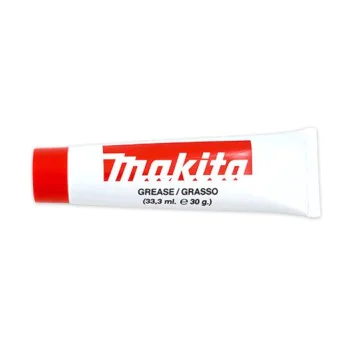
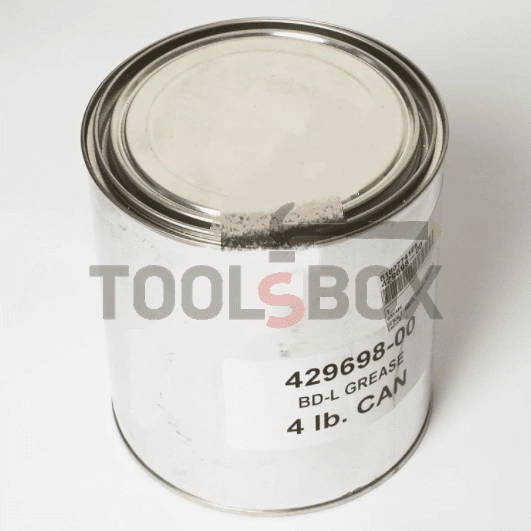
- Application method: tubes, cans, sprays, and cartridges for grease guns offer varying levels of convenience for service and mobile maintenance.
Compatibility with tools, machines, and equipment
Compatibility is of great importance for power tools, gearboxes, bearings, mechanisms in garden machinery, and workshop equipment. Some components require a precisely defined consistency, because grease that is too hard impedes movement, while grease that is too soft may separate from the friction zone. When servicing machinery, it is advisable to consult the machine manufacturer's instructions, especially for gearboxes, spindles, impact mechanisms, and sealed bearings.
Do not arbitrarily mix different lubricants, as their thickeners and additives are not always compatible. When replacing old grease, contaminated residues must be cleaned away, and the new layer must be applied evenly and in the required quantity. Overfilling a bearing or gearbox can increase the temperature and hinder movement, while too little grease leaves the surfaces without sufficient protection.
Practical maintenance and safe operation
Regular lubrication reduces noise, vibration, and overheating of mechanical components. In hand tools, this is evident in the smoother operation of pliers, ratchets, clamps, and hinges. In machines and equipment, proper maintenance protects bearings, guides, gears, and screw mechanisms from accelerated wear. Application should be done on clean surfaces, free of metal shavings, sand, or old hardened grease.
When working with technical lubricants, wear gloves and avoid contact with the eyes and skin. Containers should be stored tightly closed, away from direct sunlight and contaminants. This ensures the material retains its consistency and remains suitable for future maintenance of machines, tools, accessories, and mechanical assemblies.
Selecting Lubricants at Toolsbox.bg
Select grease based on the task, environment, and type of mechanism you are servicing. Toolsbox.bg offers a range of lubrication solutions for service shops, workshops, construction equipment, garden machinery, and home repairs, with options for various applications, packaging sizes, and application methods. This makes it easy to pair the right lubricant with consumables, tools, and equipment for regular maintenance.