
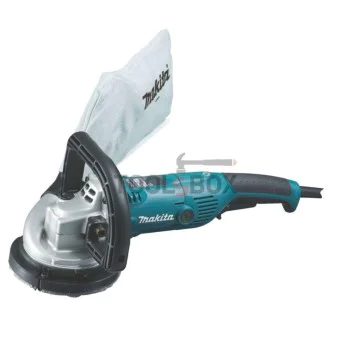
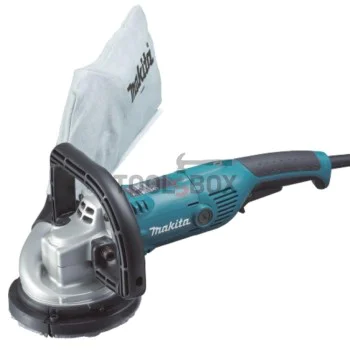
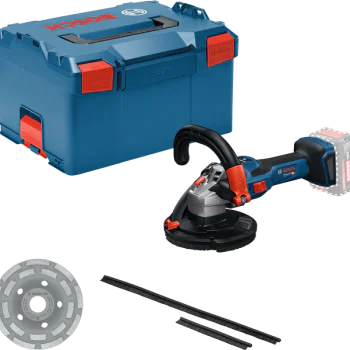
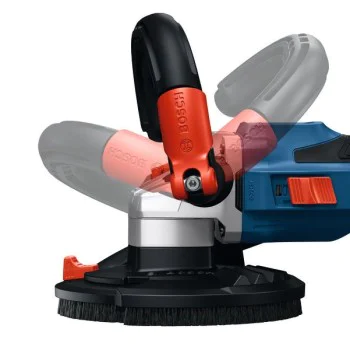
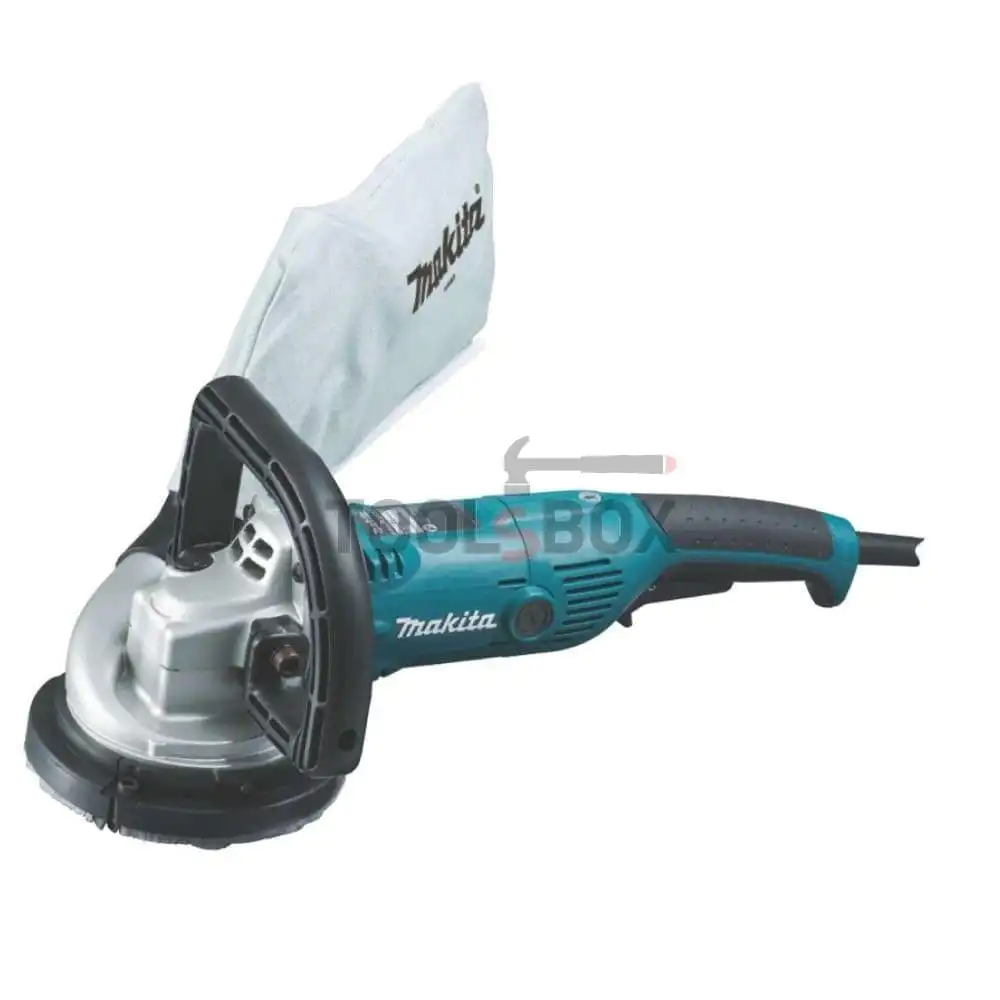
Concrete grinding machine
Concrete Grinding Machine for Precision Surface Preparation
A concrete grinding machine is used for leveling, cleaning, and fine-finishing concrete floors, screeds, slabs, and other mineral substrates prior to flooring, painting, impregnation, or repair. It is part of the practical construction equipment for construction sites, workshops, and maintenance operations where manual processing does not provide sufficient productivity and uniformity. A properly selected concrete grinding machine saves time, reduces physical strain, and helps achieve a smooth, clean, and even surface.
This section includes machines for rough material removal, for removing adhesive and coating residues, for smoothing concrete after repair work, for preparing floors prior to epoxy and polyurethane systems, as well as for working around edges and hard-to-reach areas. Some models are designed for large areas, while others are more compact and suitable for rooms, staircases, garages, basements, or spot repairs.
What tasks is a concrete grinding machine used for?
A concrete grinding machine is used in construction, finishing work, the renovation of industrial and residential floors, the removal of unevenness after formwork, the treatment of screeds, and preparation prior to laying flooring. With the right diamond disc or cup, the machine removes cement slurry, thin layers of old coatings, rough spots, slight edges, and traces of repair compounds.
For professional use, the focus is on uniform performance over a larger area, good stability, comfort during prolonged use, and the ability to connect to a dust collector. For home use, lighter solutions are more practical, allowing for control during repairs in a garage, terrace, storage room, or separate room. A concrete grinding machine is also useful when preparing a base for self-leveling mortar, when the surface must be clean and have good adhesion.
Types of machines and differences between them
The different models vary in power, working disc diameter, handle design, guidance method, weight, speed, and dust extraction capabilities. Angle grinders and handheld models are convenient for edges, small areas, and vertical surfaces. Floor machines are more suitable for larger areas where uniform movement and constant pressure on the surface are required. On some models, the speed is adjustable, which facilitates working with different abrasives and removal rates.
A concrete grinder with a larger working diameter covers more area per unit of time but requires more space and steady guidance. The compact machine is more maneuverable, easier to transport, and convenient for repair work in tight spaces. When choosing, it is advisable to compare compatible discs, the presence of a safety guard, the ability to work close to a wall, the power source type, and the dust extraction system.
| Work task | Desired features |
|---|---|
| Preparation of a large concrete floor | Larger working diameter, stable base, connection to a dust collector |
| Renovation in a residential space | Lower weight, comfortable handle, easy movement control |
| Removal of adhesives and old coatings | Compatible diamond consumables, sufficient power, dust protection |
| Working along walls and columns | Compact housing, access to edges, well-designed safety guard |
How to choose the right machine
The surface area, concrete hardness, and desired level of finish determine the right machine class. For regular work on construction sites, more powerful machines with a durable housing, ergonomic handles, and the ability to operate for extended periods are preferred. For home repair projects, a compact concrete grinder that is easy to operate and works with widely available consumables is usually sufficient.
Pay attention to the disc diameter, the type of mounting, the RPM, the weight, and compatibility with diamond cups, grinding discs, or segmented tools. Harder surfaces require the right abrasive and steady pressure, while softer screeds must be worked more carefully to avoid creating dents. When working indoors, a connection to a construction vacuum is highly recommended, as fine concrete dust puts a strain on the operator, the machine, and the environment.
Power, Speed, and Control
Power affects the machine's ability to maintain consistent performance under load. Adjustable speed helps when changing accessories and during different stages of grinding-from rough removal to finer finishing. Handles, balance, and weight are important for precise guidance, as improper pressure can leave marks or result in uneven finishing. A good concrete grinder should allow for a stable grip and clear visibility of the work area.
Consumables and Compatibility
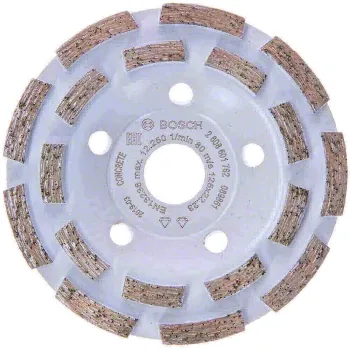
The result depends not only on the machine but also on the consumables. Diamond cups, segmented discs, and grinding attachments differ in shape, aggressiveness, purpose, and grip. More aggressive segments are used for old adhesives and coatings, while a finer structure is used for smoothing. Before purchasing, compare the mounting hole, diameter, permissible RPM, and the type of work for which the accessory is intended. This way, the concrete grinding machine will operate more stably and with less unnecessary strain.
Safety, Dust, and Maintenance
Concrete grinding releases fine particles and requires protection for the eyes, ears, and respiratory tract. Appropriate personal protective equipment, a stable workstation, and a clean work area reduce the risk of accidents. The guard must be properly installed, and the cable must not come into contact with the disc. When working with a dust collector, ensure that the hose does not restrict the operator's movement.
Regular cleaning of the ventilation openings, inspection of the cable, checking of the fasteners, and timely replacement of worn consumables extend the machine's service life. After prolonged use, it is advisable to clean the housing and work area of accumulated dust. Every concrete grinding machine should be stored in a dry place, protected from mechanical impact, and with consumables removed when not in use.
The Choice for Professional Projects or Home Renovations
For craftsmen, construction crews, and installers, a concrete grinder is a tool for preparing surfaces before flooring, coatings, and repair systems. For discerning home users, it helps with floor renovation, removing old layers, and leveling specific areas. At Toolsbox.bg, you can compare machines by power, size, design, purpose, and compatible accessories to select equipment that suits the specific job and workload.