
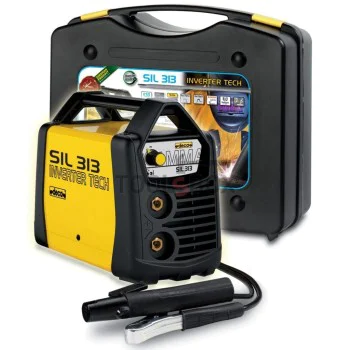
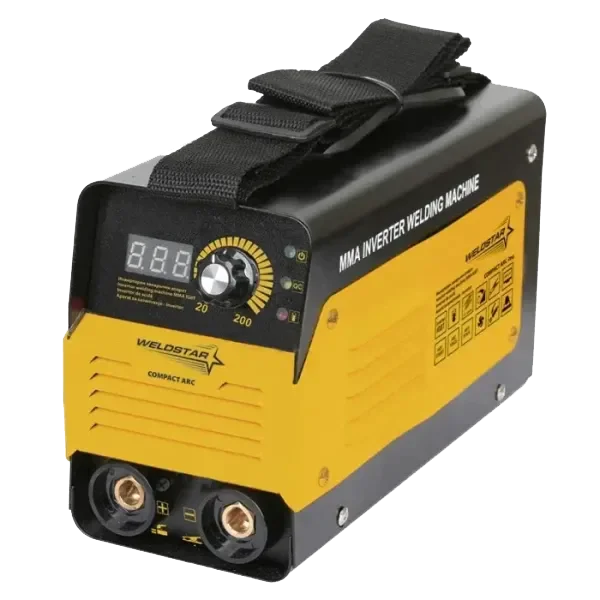
Inverter electric motor
Inverter welder for reliable MMA welding
An inverter welder is a compact welding machine designed for use with coated electrodes, suitable for repair, installation, maintenance, metal fabrication, and service work. This type of equipment converts electrical energy using inverter electronics, which keeps the unit lighter, allows for more precise arc control, and makes it easier to move between different job sites. The Toolsbox.bg product range includes solutions for home workshops, garages, construction sites, agricultural equipment, fences, gates, frames, and small metal repairs.
Inverter welders are sought after for their combination of portability, easy arc striking, and the ability to weld with electrodes of various diameters. When chosen correctly, the machine ensures a uniform weld, good control over the molten pool, and less electrode sticking. This makes them practical for craftsmen, installers, service teams, and discerning home users who work with carbon steel, profiles, strips, pipes, rails, and other metal parts.
What Do Inverter Welders Include
The main offerings in this section are MMA welders designed for welding with rutile, basic, or other coated electrodes, depending on the capabilities of the specific machine. Some models feature additional functions for easier starting and a more stable welding arc. These include Hot Start for more reliable ignition, Arc Force to maintain the arc when the distance changes, and Anti Stick to prevent the electrode from sticking to the material.
The differences between individual machines are most often related to maximum welding current, duty cycle, electronics type, cooling, weight, cables, display, settings, and compatibility with different electrodes. Smaller models are convenient for light repairs and occasional use, while more powerful variants are designed for longer operation, thicker material, and more intensive workloads.
Applications in repair, installation, and workshop settings
An inverter welder is used for the fabrication and repair of metal structures, welding profiles, reinforcing frames, replacing broken parts, and installing metal components on-site. The machine is convenient for working in confined spaces, as the housing is lighter than that of classic transformer-based welders and is easy to carry.
For home use, the inverter welder is practical for repairing gates, fences, posts, sheds, metal shelving, and agricultural equipment. In a professional setting, it is valued for installation work, emergency repairs, equipment maintenance, and work outside a stationary workshop. With a stable power supply and a properly selected electrode, the machine allows for clean and controlled welding on various steel thicknesses.
Selection Based on Power, Current, and Electrodes
When purchasing an inverter welder, the first consideration is the welding current range. For thinner materials and minor repairs, a lower current is often sufficient, while thicker profiles, strips, and structural elements require a more powerful machine. The electrode diameter must match the machine's capabilities and the thickness of the metal. Common electrode diameters are 2.0, 2.5, 3.2, and 4.0 mm, with each machine having specific operating limits.
The duty cycle is a parameter that indicates how long the machine can operate at a given current before a cooling break is required. During intensive use, this parameter is crucial because it affects the welding speed and protects the electronics. For field installations, the low weight, comfortable shoulder strap, durable housing, and sufficient length of the welding cables are valued.
- For light repairs: a compact machine that's easy to set up and lightweight.
- For the workshop: more stable current, good duty cycle, and convenient cables.
- For on-site installation: easy portability, overheating protection, and good performance under variable loads.
- For thicker workpieces: higher maximum current and compatibility with larger electrodes.
Compatibility, Safety, and Consumables
For an inverter welder to operate properly, you need suitable electrodes, a ground clamp, an electrode holder, welding cables, and personal protective equipment. A welding helmet, gloves, work clothing, and eye protection are just as essential as the machine itself. When working with metal, sparks, slag, and high temperatures are generated, so the work area must be free of flammable materials and well-ventilated.
Compatibility with the power supply also deserves attention. Some machines are designed for a standard single-phase network, while others have more specific requirements. When using an extension cord, the cable must have sufficient cross-section to prevent voltage drop and an unstable arc. For frequent work outside the workshop, it is useful to check the machine's weight, protection against dust and overheating, ease of adjustment, and display readability.
Maintenance and Long Service Life
Proper care of the inverter welder extends the life of the electronics and maintains the machine's stable operation. The housing must be protected from moisture, metal dust, and heavy impacts. Ventilation openings should be cleaned periodically, and cables should be inspected for damage, overheating, or loose connections. The electrode holder and ground clamp must ensure good contact, as a poor connection hinders ignition and degrades weld quality.
When storing the machine, it is best to keep it in a dry place, away from corrosive environments and direct contamination. After use, allow the machine to cool down, and coil the cables without kinking them. This keeps the equipment ready for the next task and reduces the risk of failure during repair or installation.
Inverter Welding Machine from Toolsbox.bg
At Toolsbox.bg, you'll find inverter welders for various load levels-from compact units for garages and home workshops to more powerful machines for service shops, construction, and installation. Compare the specifications, current range, duty cycle, compatible electrodes, and included accessories to select a tool that meets your needs. Browse the available options and choose an inverter arc welder for safe, convenient, and precise metalworking.