
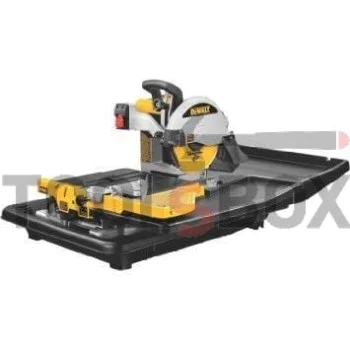
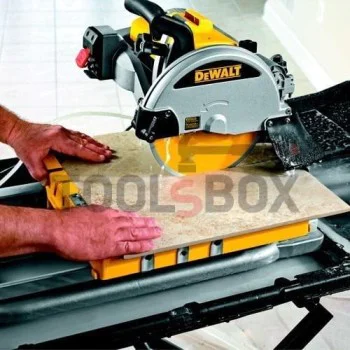
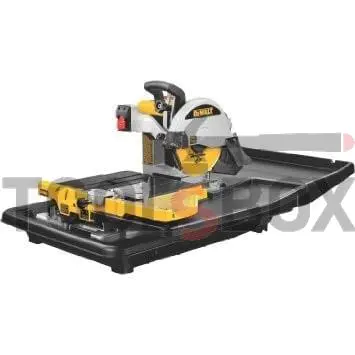
Machine for wet cutting of tiles
Wet tile cutting machine for clean and precise cuts
A wet tile saw is a practical choice for cutting ceramic tiles, terracotta, porcelain tiles, clinker, and stone slabs during renovation, installation, and construction. Water cooling reduces dust, protects the diamond blade from overheating, and helps create a smoother edge-a valuable feature for installations with visible grout lines or for details around corners, drains, and thresholds. This type of equipment is sought after by craftsmen, construction crews, and discerning homeowners who want a clean cut and consistent dimensions.
Models vary in power, cutting length, blade diameter, cutting depth, water supply type, and worktable design. Compact machines are convenient for transport and use in homes, while larger models with a stand, guide rail, and stable table facilitate the serial cutting of longer slabs. When choosing, it also matters whether you need straight cuts, diagonal cuts, bevel cuts, or work with harder flooring materials.
Where to Use a Wet Tile Cutter
When installing floor and wall tiles, a wet tile saw is useful for cutting to size, shaping end rows, making diagonal cuts, and achieving precise details around fixtures. Water-assisted cutting preserves the glaze and reduces chipping, which is important for decorative tiles, large-format porcelain tiles, and materials with a hard structure.
For professional use, machines with a longer work surface, precise guides, a stable base, and the ability to operate continuously are preferred. For home use, lighter tabletop models are often sufficient; they are easy to store and meet the needs of renovating a bathroom, kitchen, hallway, or patio. Well-chosen equipment saves time during installation and minimizes waste from broken or improperly cut tiles.
Types of Models and Working Configurations
In terms of design, there are tabletop machines, stand-mounted models, variants with a movable head or sliding table, and machines capable of angle cutting. These differences affect comfort, precision, and work speed.
| Model type | Operation | Practical benefits |
|---|---|---|
| Compact tabletop models | Short and medium cuts, small and standard tiles | Easy to transport, quick setup, convenient for home renovations |
| Models with stand and guide rail | Longer slabs and repeat cuts | More stable support, better control, and less fatigue |
| Models with tilting head or table | Bevel cuts, miter cuts, and decorative finishes | Clean edge finishing and more precise alignment |
Choosing a Wet Tile Cutter Based on the Task
When selecting a wet tile cutting machine, consider the size of the tiles, the hardness of the material, the frequency of use, and the available space at the job site or in the workshop. A machine with a longer cutting length is needed for large slabs, while a more compact design is often more convenient for minor adjustments and repair work.
- Cutting length and depth: The size of the tiles must fit comfortably within the machine's working stroke.
- Power and RPM: Harder materials require a stable drive and the right diamond blade.
- Diamond blade: The diameter, bore, and segment type must match the machine and the material.
- Water system: the reservoir, pump, or tray facilitate cooling and slurry removal.
- Guides and stops: help ensure consistent cuts when cutting a series of tiles.
- Weight and portability: For sites requiring frequent relocation, the lighter design saves effort.
Blades, accessories, and safe operation
A wet tile cutting machine operates correctly only with properly selected consumables. For ceramic tiles, a fine cut with a smooth edge is usually desired; for porcelain tiles, a blade suited to the hard material is needed; and for stone slabs, the load on the motor and the cooling requirements are greater. The water pump, water tray, safety guard, limiters, and guides play a crucial role because they affect control and the cleanliness of the work area.
When working, do not press the tile sharply against the blade; maintain a steady feed and wear safety glasses, gloves, and hearing protection. The water level must be monitored, and the slurry from cutting must be cleaned regularly so as not to hinder cooling. After finishing work, rinse the machine of slurry, inspect the blade for wear, and ensure the water channels and pump remain free of clogs. This way, the equipment maintains its precision and remains ready for the next installation.
A practical purchase for workshops and construction sites
A well-sized machine makes cutting easier, reduces waste, and helps achieve a more precise finish on the tiling. Toolsbox.bg offers models for a variety of tasks-from home repairs to daily work on a construction site. Choose a wet tile cutting machine based on the material, tile size, and required precision, and equip your workspace with equipment that meets your needs.