
Oil compressors for air
Oil-lubricated air compressors for workshops, service centers, and installation
Oil-lubricated air compressors are practical equipment for supplying compressed air to pneumatic tools, paint spray guns, nail guns, blow guns, pumping devices, and other machines that operate on air pressure. Oil lubrication reduces wear on the compressor unit and ensures smooth operation during prolonged tasks. These compressors are valued in auto repair shops, construction sites, woodworking and metal workshops, garages, installation crews, and for demanding home use.
Unlike oil-free models, oil-lubricated compressors use oil in the compressor head, which aids in cooling and provides mechanical protection for moving parts. This allows the machine to operate more reliably under load, and proper maintenance extends the unit's service life. When working with spray guns, pneumatic tools, or equipment sensitive to moisture and oil, filters, moisture separators, pressure-reducing valves, and lubricators are added depending on the specific task.
What Do Oil-Lubricated Air Compressors Include?
The range includes models with different receiver volumes, motor power, maximum pressure, and air flow rates. Smaller compressors are suitable for garages, mobile setups, tire inflation, compressed air cleaning, and light pneumatic operations. Compressors with medium and larger tanks provide a more stable air supply for nail guns, impact wrenches, grinders, painting, and service tasks with higher air consumption.
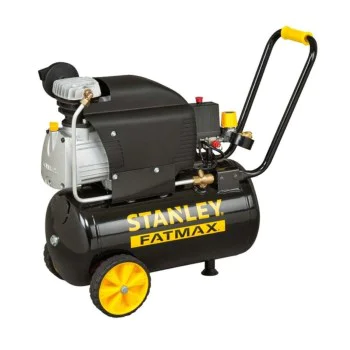
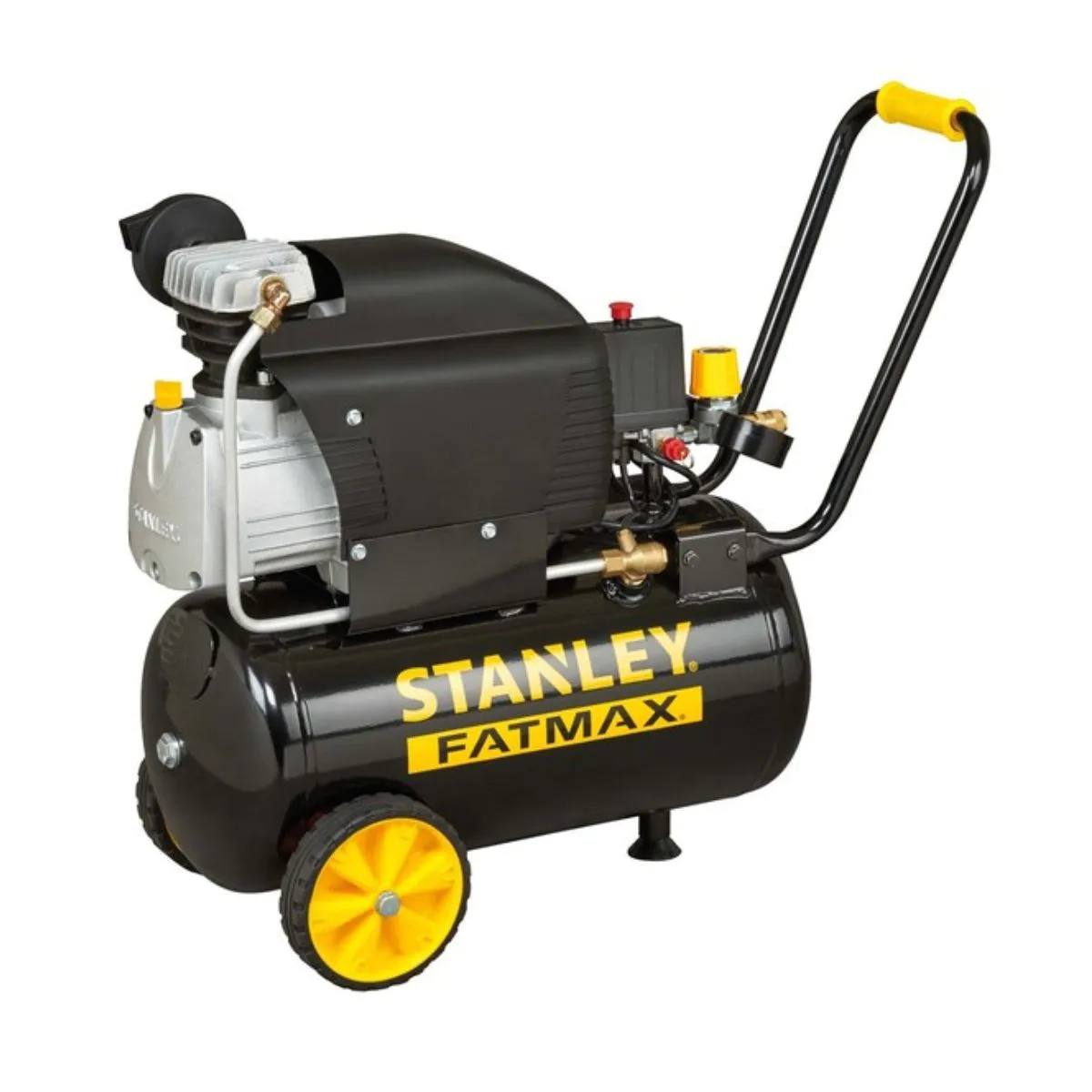
When selecting a model, you'll find both direct-drive and belt-driven oil-lubricated compressors. Direct-drive models are compact and easy to transport, while belt-driven variants are preferred for more intensive work, where the lower RPM of the compressor head and better cooling are advantages. Some models feature wheels and a handle for easy transport, while others are larger, stationary units designed for workshops and service facilities.
Applications in auto repair shops, construction, and home workshops
Oil-lubricated air compressors handle a variety of tasks that require a constant flow of compressed air. In auto repair shops, they are connected to pneumatic wrenches, tire guns, air ratchets, and blow guns. In woodworking, they power nail guns, staple guns, and chip removal tools. When painting, they are used with appropriate filter elements to reduce moisture in the system and ensure a consistent flow to the spray gun.
In construction and installation work, the compressor facilitates the use of pneumatic tools, blowing out openings, cleaning parts, and inflating cushions, tires, and other items. For home use, an oil-lubricated compressor is valuable for maintaining cars, bicycles, and garden equipment, as well as for small repair tasks and painting individual parts.
Selection Based on Capacity, Air Flow, and Pressure
The three key parameters for oil-lubricated compressors are receiver volume, air flow rate, and working pressure. The receiver stores compressed air and reduces the frequency of motor starts. A larger tank is useful for high-flow tools and longer operating cycles. The flow rate indicates how much air the compressor delivers per unit of time; it is matched to the requirements of the pneumatic tool. The operating pressure is selected according to the tool, with many service and installation tasks performed by adjusting a pressure-reducing valve.
| Type of oil-lubricated compressor | Typical use | Practical guide |
|---|---|---|
| Compact with a small receiver | Pumping, blowing, light garage tasks | Easy to transport and store |
| Medium-sized receiver | Nail guns, installation, periodic maintenance | Good air supply for a variety of tasks |
| Large receiver | Wrench drivers, painting, more intensive workshop | Less frequent cycling and more stable air delivery |
| Belt-driven compressor | Service, workshop, continuous operation | Smoother operation of the unit during heavy-duty tasks |
Compatibility with pneumatic tools
Before purchasing, it is wise to compare the compressor's specifications with the tool's air consumption. An impact wrench, grinder, or paint spray gun have different air consumption rates, so the compressor's flow rate must cover actual operation, not just brief use. When using multiple tools, consider the highest consumption among them and allow for a reserve to ensure stable operation. Connections, hoses, quick couplers, and regulators also affect air delivery, so a compatible set is essential.
Size, Mobility, and Power Supply
The work and storage space influences the choice of size. For a garage or small workshop, models with wheels, a handle, and a compact layout of components are practical. For a service shop with a permanent work area, a larger air tank and a more powerful motor are more convenient. The power supply must match the electrical installation on-site, and for more powerful machines, the starting current, protection, and cable cross-section must be taken into account.
Maintenance, Safety, and Accessories
Oil-lubricated compressors require periodic maintenance. The oil level is monitored via the indicator or dipstick, depending on the model, and changes are made according to the manufacturer's instructions. Condensate in the receiver must be drained regularly, as moisture accelerates corrosion and affects air quality. The air filter should be cleaned or replaced when dirty, and hoses and connections should be inspected for leaks.
For safe operation, use a pressure gauge, pressure switch, safety valve, and pressure-reducing valve as appropriate for the machine's equipment. Do not exceed the specified pressure for tools, hoses, and accessories. For painting and precision work, a moisture separator and filter are required, and for pneumatic tools that require lubrication, an oiler is added to the line. This ensures the air system operates more reliably and protects the connected equipment.
Practical Selection of an Oil-Lubricated Air Compressor
A well-chosen oil-lubricated air compressor saves time, ensures consistent performance of pneumatic tools, and provides the necessary reserve capacity under load. Consider the type of tasks, the expected duration of operation, the required flow rate, the receiver volume, mobility, and air line accessories. Browse the offerings at Toolsbox.bg and choose an oil-lubricated air compressor that suits your workshop, service center, or installation operations.