
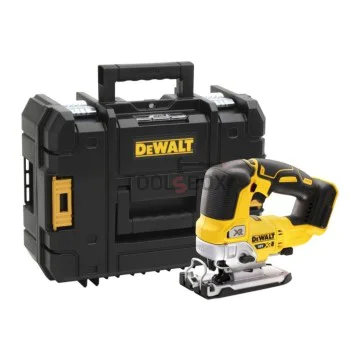
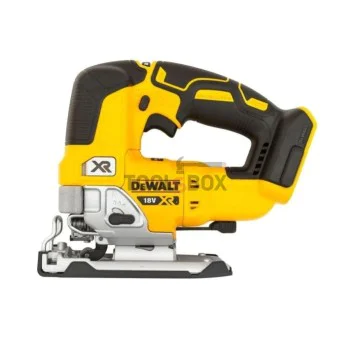
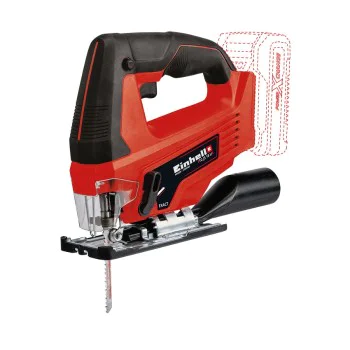

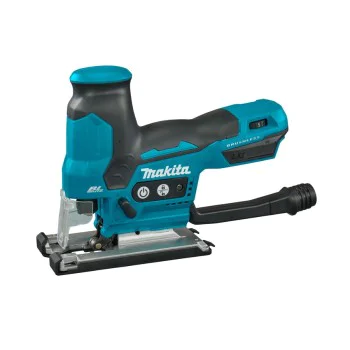
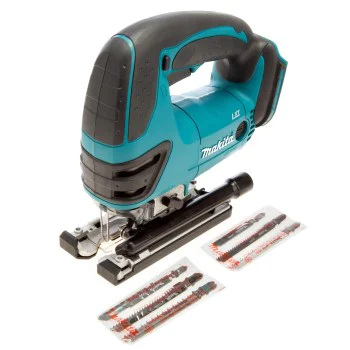
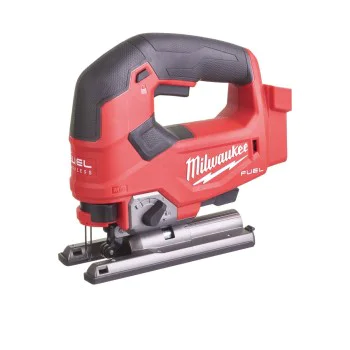
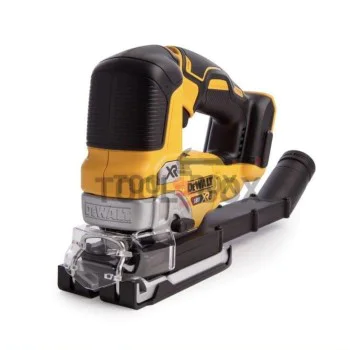
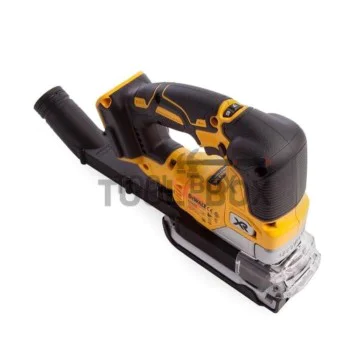
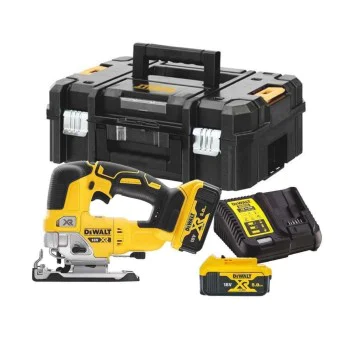
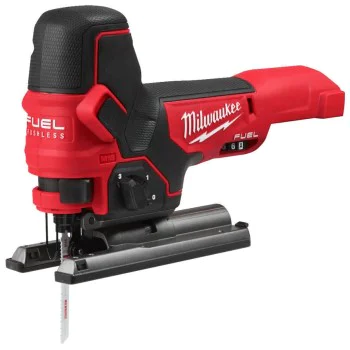
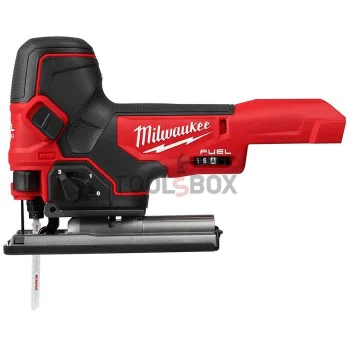
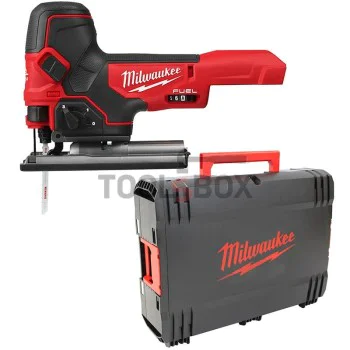
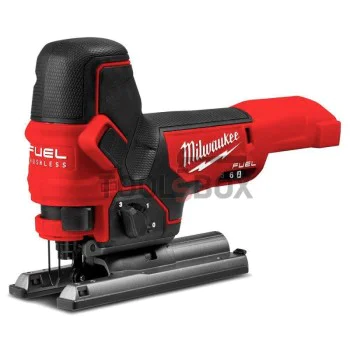
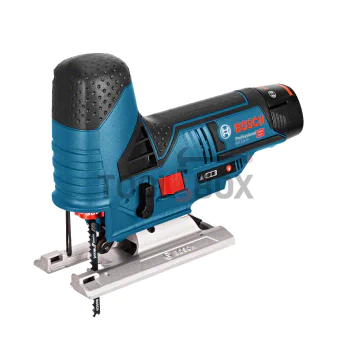
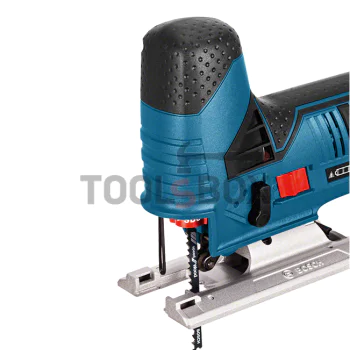
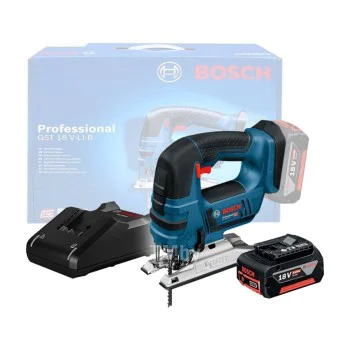
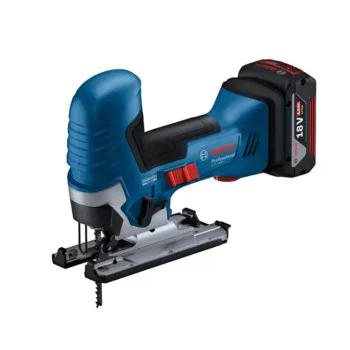

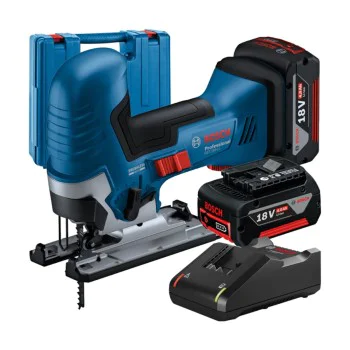
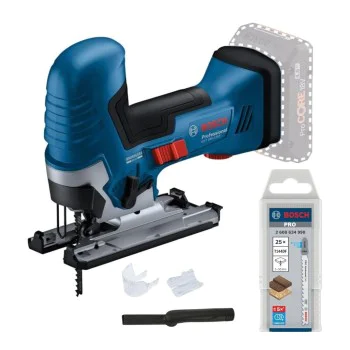
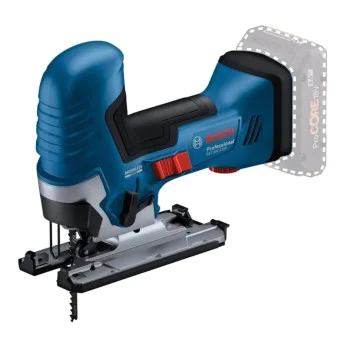
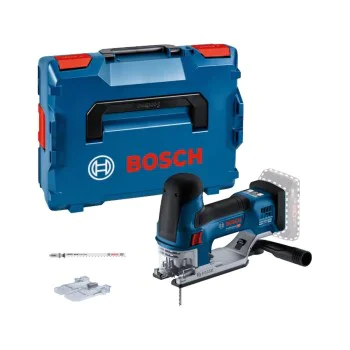

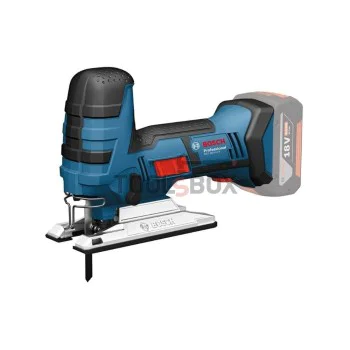
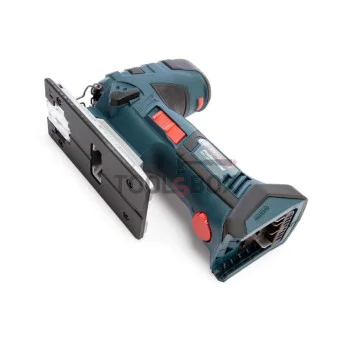
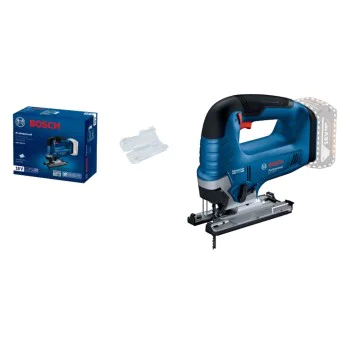
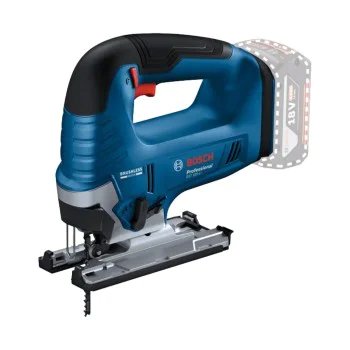
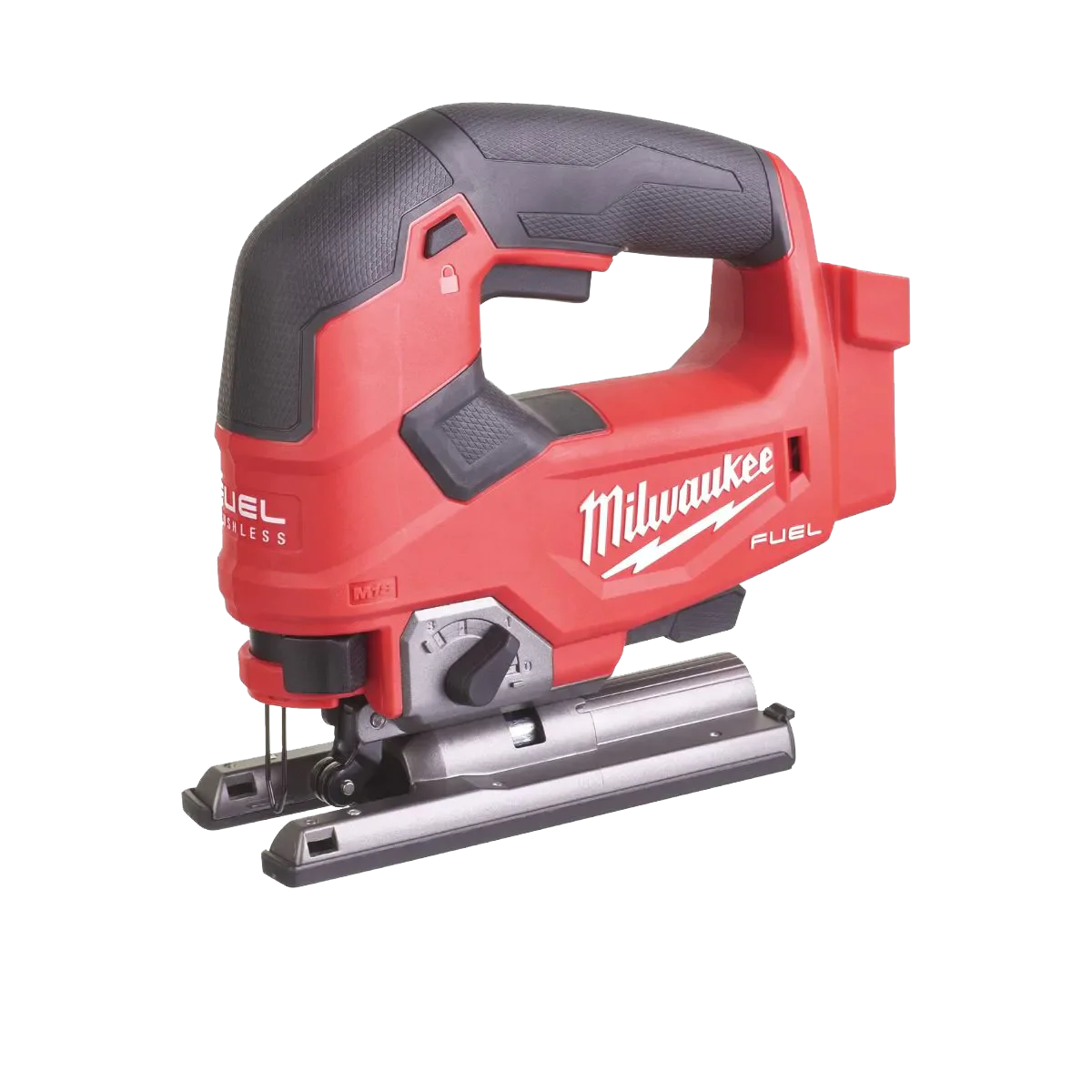
Rechargeable zege
Cordless jigsaw for precise cordless cutting
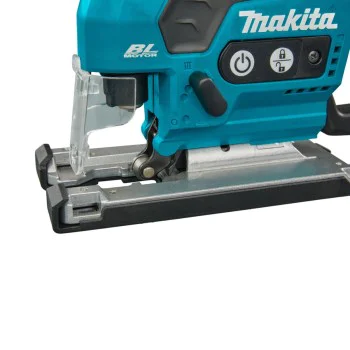
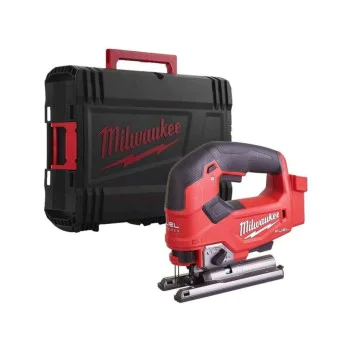
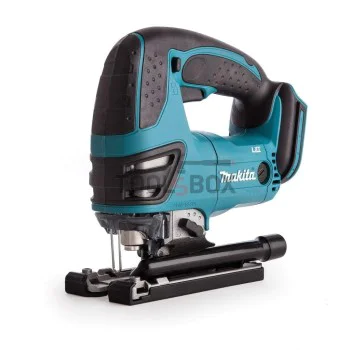
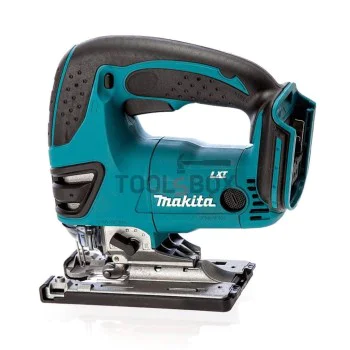
A cordless jigsaw is a practical tool for making straight, curved, and curved cuts in wood, panels, plastic, laminate, thin metal, and other workable materials. The freedom from a power cord makes work easier on job sites, in the workshop, during on-site installation, in the garage, or when doing home repairs. This type of jigsaw is valuable for tasks where the workpiece is frequently moved, access to an outlet is limited, or the work area requires greater maneuverability.
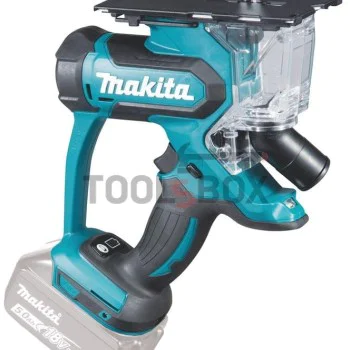
The range includes cordless jigsaws with varying power, battery voltage, blade stroke, pendulum modes, speed settings, and base designs. Some of the tools are designed for lighter repair work and hobby projects, while others are developed for daily professional use by installation crews, in woodworking shops, furniture manufacturing, construction finishing work, and service maintenance.
What tasks is the cordless jigsaw used for?
The cordless jigsaw is a versatile power tool for cutting along a line, template, or hole. It handles cutting holes for sinks and cooktops in countertops, shaping curved lines in plywood and MDF, trimming laminate flooring, cutting PVC panels, making adjustments to drywall, working on wooden slats, and crafting decorative elements. With the right blade, the machine can also cut thin sheet metal, aluminum profiles, or plastic pipes.
During installation work, the cordless design saves time spent moving extension cords and reduces the risk of the cord getting caught in the cutting area. In furniture and woodworking applications, a clean cut, stable guidance, and precise speed control are essential. For construction and renovation projects, durability, a comfortable grip, quick blade changes, and good visibility of the markings are key.
Differences between cordless jigsaw models
Models differ not only in battery voltage but also in how they actually feel during use. More compact machines are convenient for overhead work, tight spaces, and quick adjustments. The more powerful versions maintain a more stable speed when cutting dense materials and making longer cuts. Key factors include blade stroke, maximum cutting depth, the ability to tilt the base, the number of pendulum stroke settings, and the method of securing the blade.
| Characteristics | Practical significance |
|---|---|
| Battery voltage and capacity | These affect the power, runtime, and weight of the machine. |
| Pendulum action | Accelerates cutting in wood and panels; for fine cuts, it is reduced or turned off. |
| Speed control | Helps provide better control when working with metal, plastic, and delicate surfaces. |
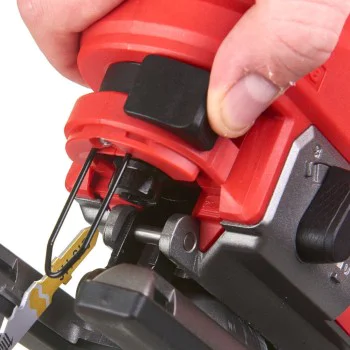
| Blade clamping | Determines compatibility with T-shaped or other types of blades. |
| Tilting base | Allows for angled cutting on edges, decorative details, and installation adjustments. |
Criteria for buying a cordless jigsaw
When choosing a cordless jigsaw, start with the material and frequency of use. For laminate flooring, plywood, and furniture, a machine with smooth speed control, a stable base, and precise guidance is useful. For construction sites and rougher cuts, look for a more durable housing, a powerful battery, and a pendulum action with multiple settings. For working at heights or in confined spaces, lower weight and good balance are crucial for reducing hand fatigue.
Also check battery compatibility. If you already use cordless tools from a specific platform, a jigsaw without a battery and charger is often a practical choice. For a first purchase, a set with a battery and charger makes getting started easier. Battery capacity affects runtime, but larger batteries increase weight. For long tasks, it's helpful to have a spare battery so the tool remains ready while charging.
Blades, Consumables, and Cut Quality
Cutting quality depends directly on the blade. Wood blades have different tooth pitches depending on the speed and cleanliness of the cut. For metal, finer teeth and a lower speed are preferred. For laminate, coated MDF, and visible surfaces, clean-cut blades are useful, as they minimize chipping of the top layer. Check the shank type, blade length, and recommended material before use.
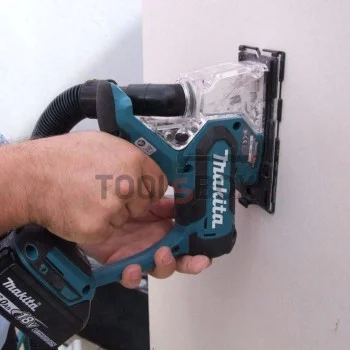
A rip fence, dust collector adapter, surface tear guard, and a securely clamped workpiece help ensure a more precise result. When cutting panels, the markings must remain visible, and the machine must be guided without twisting sideways. Excessive pressure warps the blade and worsens the cut line; the correct speed protects the motor and the consumable.
Comfort, Safety, and Maintenance
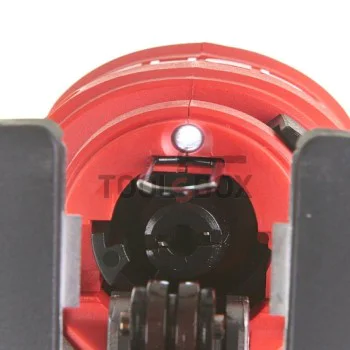
The ergonomic handle, soft grip, low vibration, and good visibility of the cutting area are crucial for extended use. LED lighting, chip ejection, and a quick-release blade mechanism facilitate precise operations. The stable base reduces deviation from the line, and the trigger lock helps ensure consistent cutting on longer workpieces.
Always wear appropriate safety goggles, secure the material, and keep your hands out of the blade's path. After cutting, allow the blade to come to a complete stop before lifting the machine. Clean dust from the ventilation slots, inspect the base for debris, and store the batteries in a dry place. Regular maintenance maintains cutting accuracy and extends the tool's lifespan.
Cordless jigsaw from Toolsbox.bg
At Toolsbox.bg, you'll find cordless jigsaws for repairs, installation, woodworking, and professional on-site work. Compare specifications, battery platforms, compatible blades, and ease of use, then choose a machine that suits your materials, workload, and work style.