

Impact Drive
Impact driver for fast fastening and working with fasteners
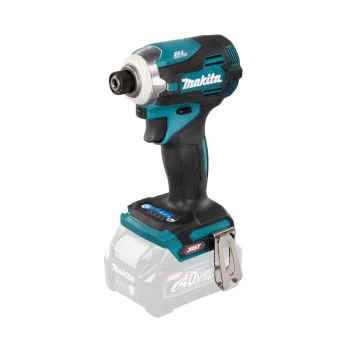
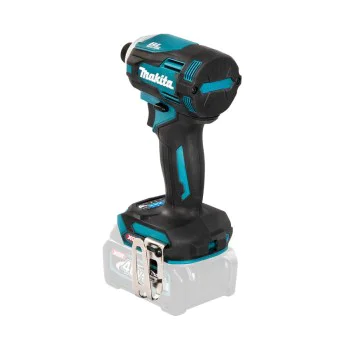
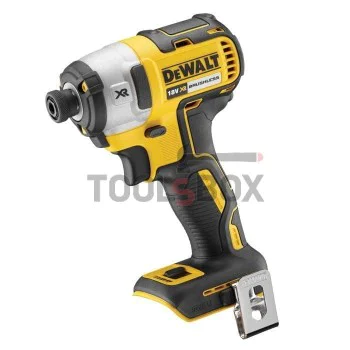
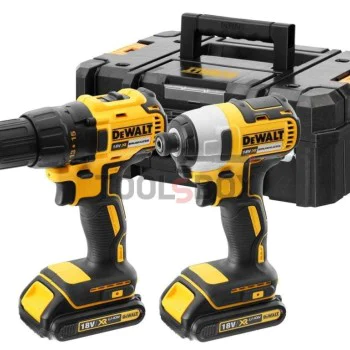
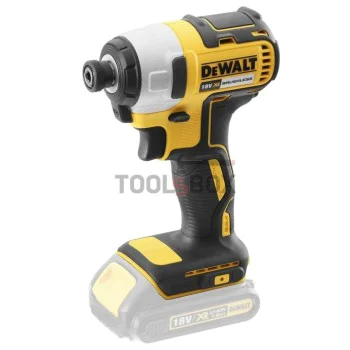
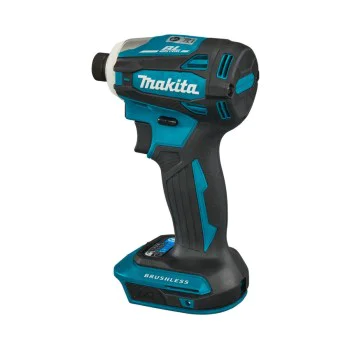
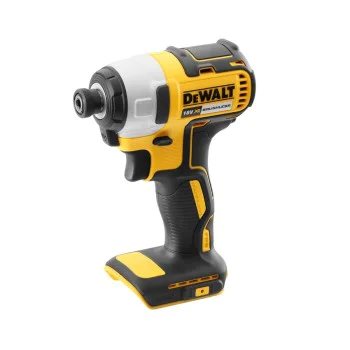
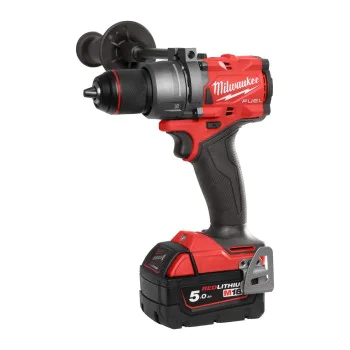
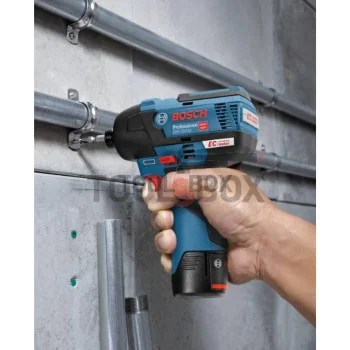
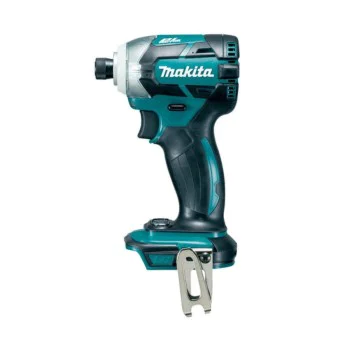
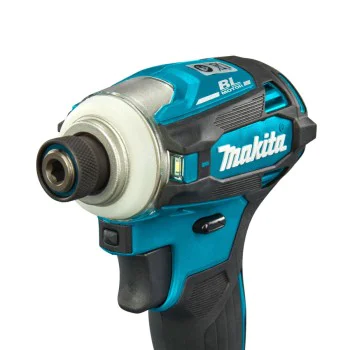
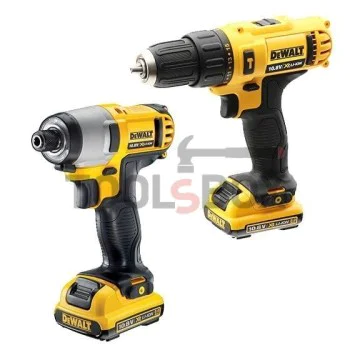
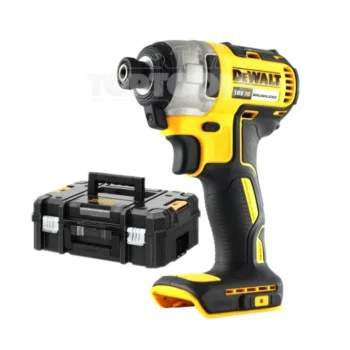
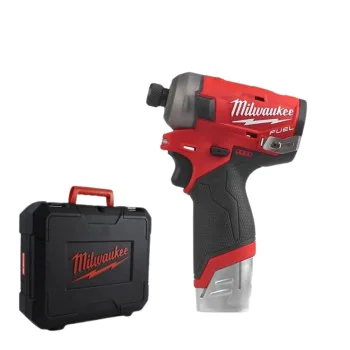
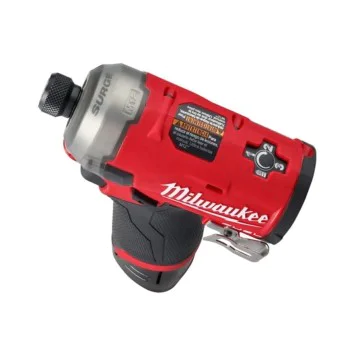
The impact driver is a compact impact tool for driving and removing screws, self-tapping screws, bolts, and other fasteners with higher resistance. The tool combines a rotary motion with a hammering mechanism in the direction of rotation, which facilitates work on wood, metal profiles, mounting strips, anchoring elements, and assemblies in a workshop or on a construction site. With the right bit and settings, the impact driver saves effort, reduces strain on the wrist, and speeds up repetitive assembly tasks.
This type of screwdriver is valuable for tasks where a standard drill/screwdriver starts to lose speed or requires more pressure. The impact driver is not a substitute for all types of drilling, but it is very effective for long fasteners, working with dense wood, metal structures, roofing and facade systems, furniture, decking, drywall profiles, maintenance work, and equipment installation. For home use, it offers convenience during repairs, assembly, and maintenance, while for professional teams, it ensures good speed during repetitive operations.
What do impact driver models include?
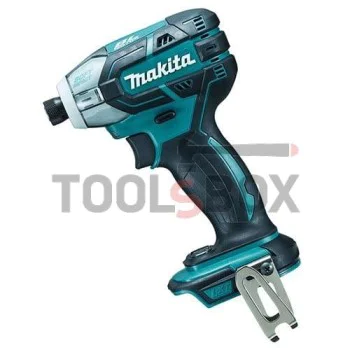
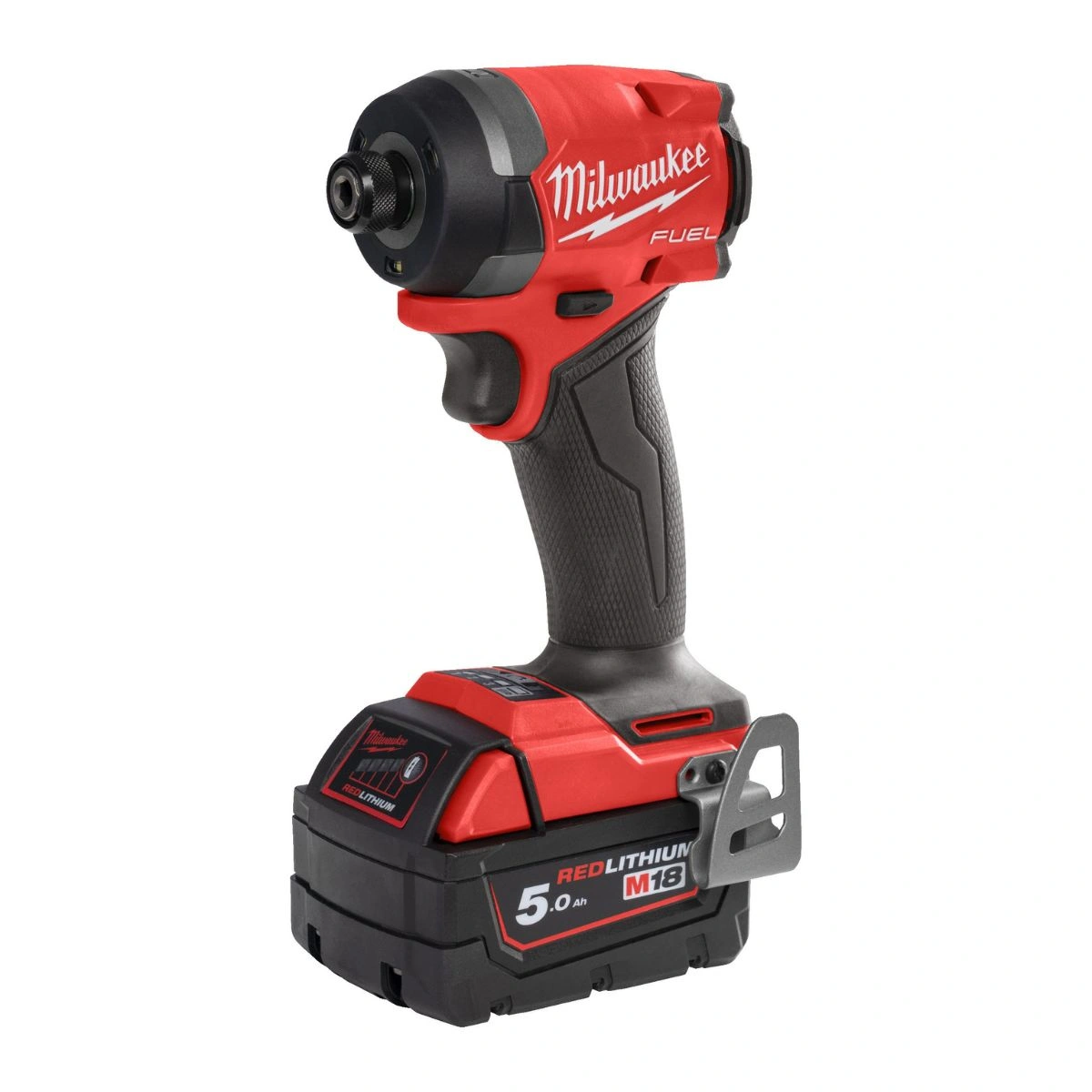
The impact drivers offered vary in power source, torque, RPM, impact rate, bit chuck, operating mode, and accessories. Cordless models account for a large share of the market, as they offer freedom of movement when working off a workbench, on scaffolding, in a service vehicle, or at a job site without a nearby electrical outlet. When selecting these, consider the battery platform, voltage, battery capacity, and charger.
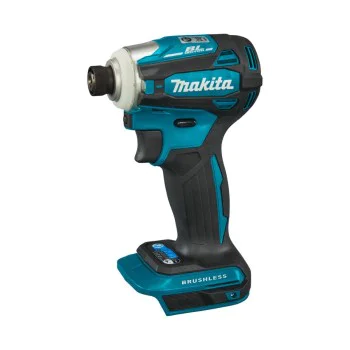
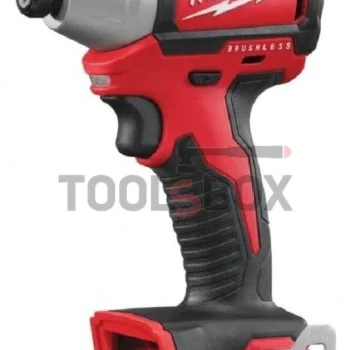
Brushless motor models are preferred for heavy-duty use because the motor operates with less wear on the contact elements and better energy management. Machines with brush motors remain a practical option for less frequent repairs and tasks with moderate loads. Some models feature multiple speed and impact settings, making it easier to switch from small screws to larger fasteners without over-tightening.
Key selection criteria
- Torque - indicates the force when tightening and loosening. A higher value is valuable for long screws, bolts, and harder materials.
- RPM and BPM - affect the speed of operation and performance with different fasteners.
- Chuck - the most common is a 1/4" hex chuck for bits, convenient for quick bit changes.
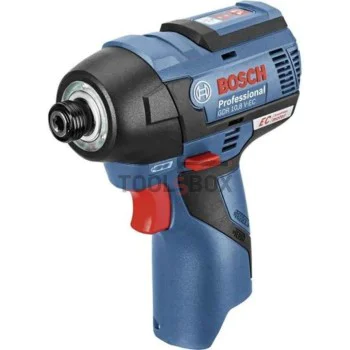
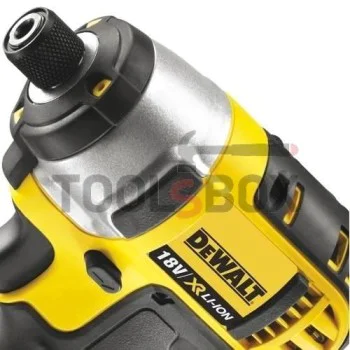
- Battery voltage-12 V models are compact for tight spaces, while 18 V tools handle heavier installation tasks.
- Weight and balance-important for overhead work, continuous screwing, and long shifts.
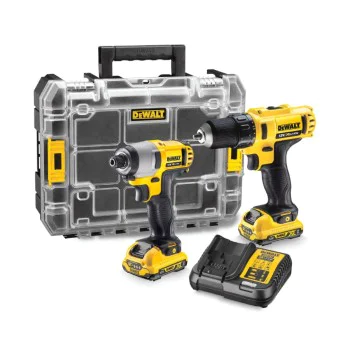
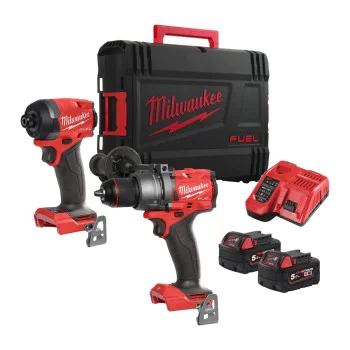
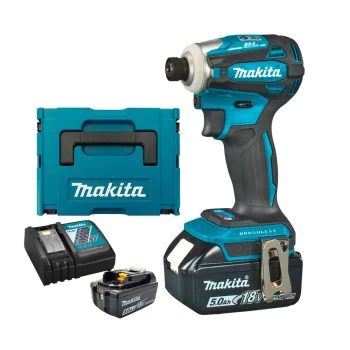
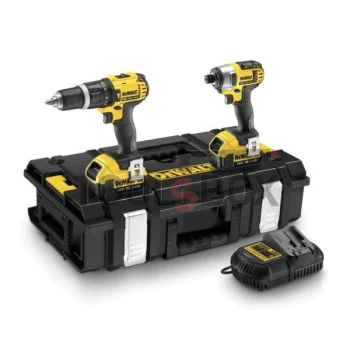
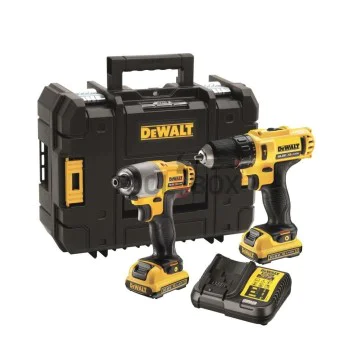
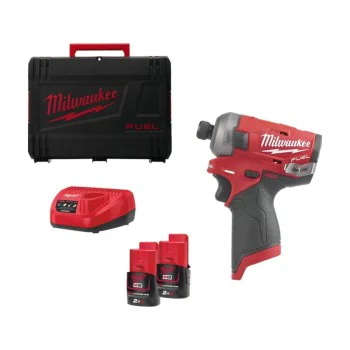
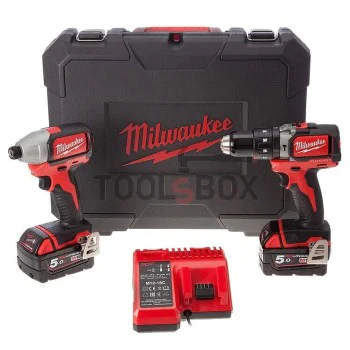
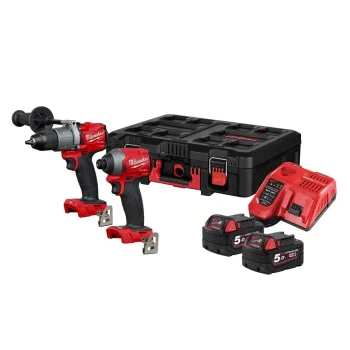
- Package contents-machine only, set with battery and charger, carrying case, belt clip, or additional bits.
Applications in installation, repair, and maintenance
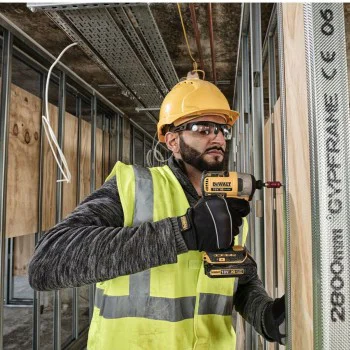
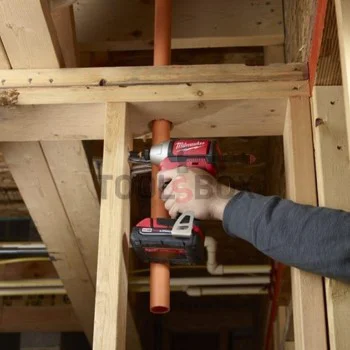
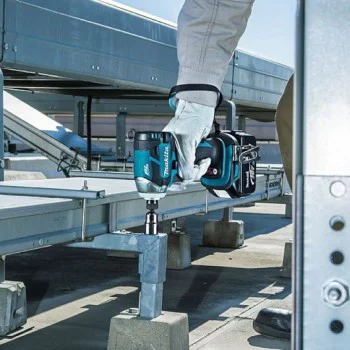
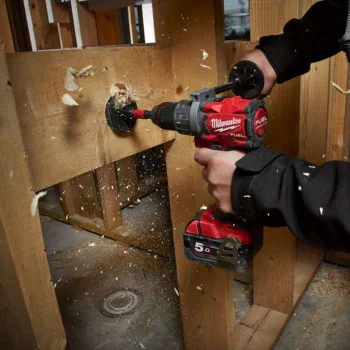
Impact drivers are used for woodworking, building sheds, decks, and fences, installing metal profiles, assembling shelving, securing panels, machine maintenance, and automotive support tasks with appropriate adapters. When working with wood screws, the impact mechanism helps drive the fastener without constant pressure on the tool. For metal components, the tool facilitates the removal of tight screws, provided the fastener size and bit are appropriate for the load.
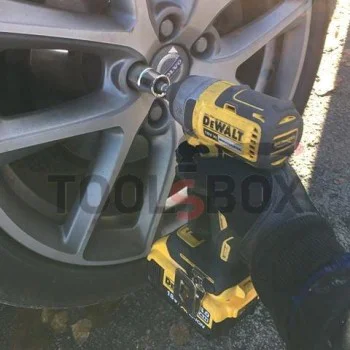
For installers of kitchens, furniture, and interior structures, the compact housing is an advantage in hard-to-reach areas. In roofing and facade systems, the screwdriving speed and the bit's stable grip are crucial for a consistent work rhythm. In a service environment, the impact driver is convenient for screws, covers, clamps, strips, and mechanical assemblies, but it should not be used as an impact wrench for large automotive bolts. For such operations, a tool with a square drive and the appropriate torque is required.
Impact driver and standard screwdriver
A standard screwdriver operates with smooth rotation and often features a drill chuck, clutch, and torque settings. It is suitable for drilling, fine screwdriving, and tasks where depth control is paramount. The impact driver uses a tangential impact that activates when encountering greater resistance. This allows the tool to transfer more force to the fastener without the operator having to apply as much pressure.
For fine screws, soft materials, and visible surfaces, more careful adjustment is needed, as the impact mechanism's force quickly sinks the screw head. For installations requiring precise depth, depth stops, properly profiled bits, and multi-mode models are helpful. Hexagonal drill bits compatible with the chuck are used for drilling, but the tool performs best with fasteners rather than for classic drilling with round drill bits.
Compatibility with bits, adapters, and accessories
The performance of an impact driver depends heavily on the bit. Impact bits designed for higher loads are recommended, as standard bits wear out or break more quickly in impact mode. The size and profile of the bit must match the fastener head-PH, PZ, Torx, hex, or another standard. An incorrect profile leads to slipping, screw wear, and loss of control.
For working with sockets, use 1/4" hex-to-square adapters. They are convenient for smaller bolts and nuts, but the load must remain within the limits of the tool and the adapter. Magnetic holders, extensions, and flexible adapters facilitate access to tight spaces, while a case or fabric bag protects the tool and accessories during transport.
Comparison of popular models
| Model | Type of work | Typical tasks |
|---|---|---|
| 12 V cordless impact driver | Lightweight, compact, convenient for tight spaces | Furniture, maintenance, home repair |
| 18 V cordless impact driver | Higher torque and longer runtime with the right battery | Construction installation, woodworking, metal profiles |
| Brushless model | Lower motor wear and good control | Intensive professional use |
| Comes with battery and charger | Ready to use after charging | First machine in a battery system |
| Stand-alone machine | Cost-effective option if compatible batteries are already available | Expansion of an existing tool set |
Safe operation and maintenance
When working with an impact driver, use bits in good condition, safety goggles, and maintain a stable body position. The fastener must be seated properly in the chuck before pressing the trigger. When driving long screws into hardwood, pre-drilling or lubricating the fastener reduces the risk of splitting and overloading. For metal fasteners, select the appropriate screw size and follow the fastener manufacturer's recommendations.
Maintenance is easy: clean the ventilation slots of dust, protect the batteries from impact and moisture, store the tool in a dry place, and do not use damaged bits. If you hear unusual noise, notice overheating, or experience a drop in power, check the condition of the bit, battery, and chuck. This ensures the tool performs reliably during daily installation and repair work.
Choosing an impact driver from Toolsbox.bg
When choosing an impact driver, consider the size of the fasteners, the material, the frequency of use, the available batteries, and the need for compactness. For home repairs, a lightweight model with a comfortable grip and basic accessories is often sufficient. For installers, construction crews, and service technicians, a model with higher torque, multiple modes, and compatible impact bits is more suitable. Browse the offerings at Toolsbox.bg and choose a tool that meets the actual needs of your workshop, job site, or service center.