
Gargi
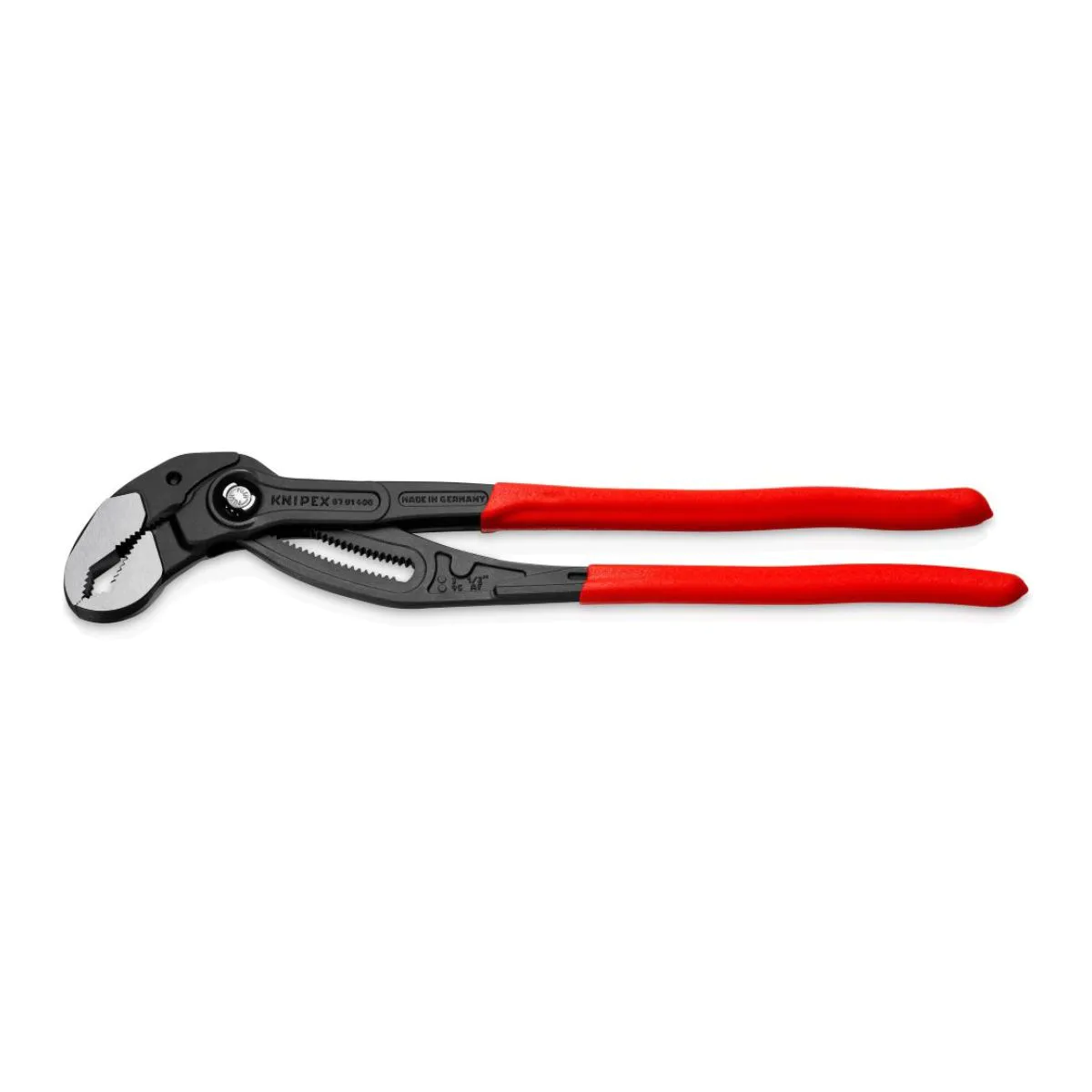
Gargi pliers for a secure grip during installation, repair, and maintenance
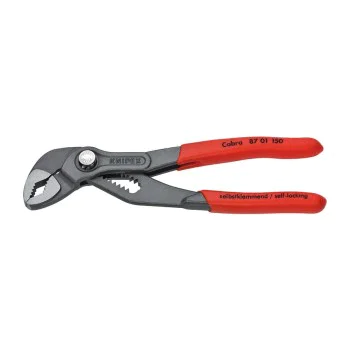
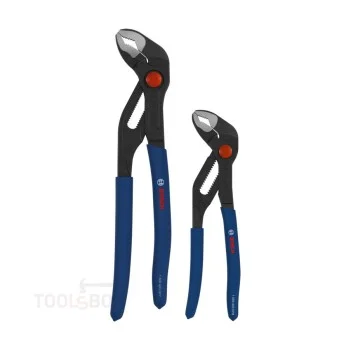
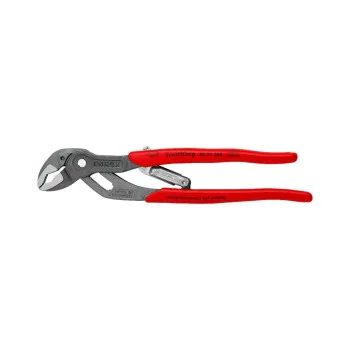
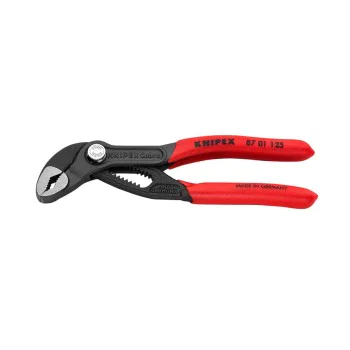
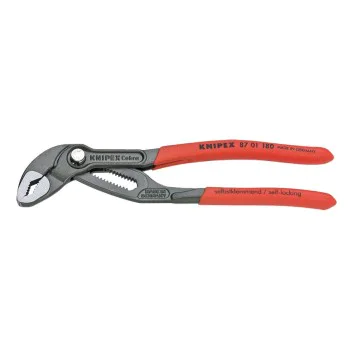
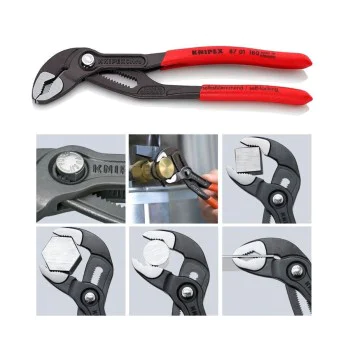
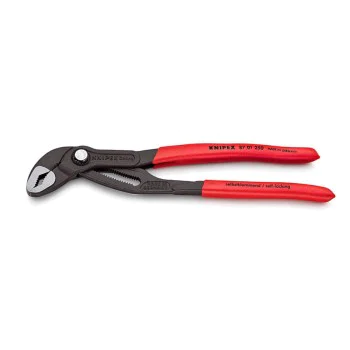
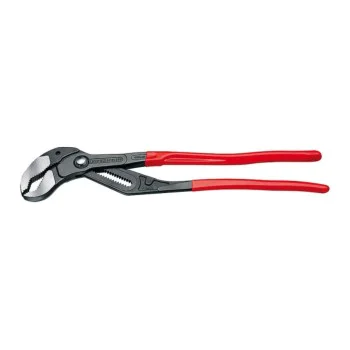
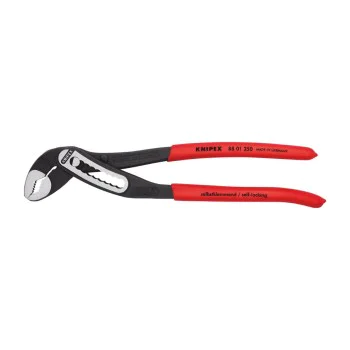
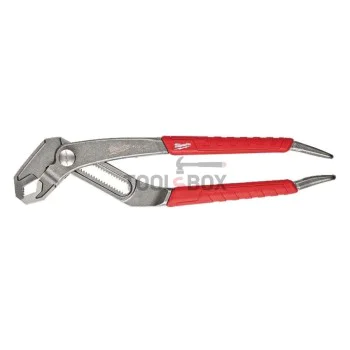
Pliers are adjustable pliers with long jaws, a serrated working surface, and a mechanism for adjusting the opening. They are used for plumbing work, fitting installation, loosening nuts, tightening pipe connections, removing stubborn parts, and general repair tasks in a workshop, garage, or on a construction site. The shape of the jaws allows for a secure grip on round, hexagonal, and irregular parts, while the adjustment feature helps the tool adapt to the specific diameter.
Adjustable pliers are valued in situations where a standard wrench lacks sufficient reach or access to the part is limited. They can grip pipes, couplings, flanges, nipples, nuts, bolts, and plastic and metal joints without having to switch between multiple tools. For professional service, they are part of the daily equipment, and for home use, they are a practical helper when repairing faucets, siphons, heating connections, and small installation parts.
Types of pliers and design differences
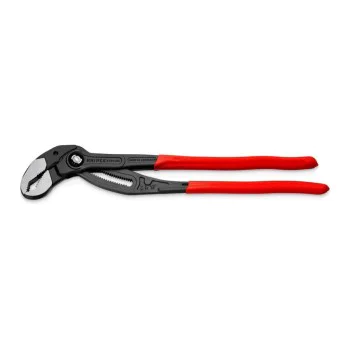
Pliers vary in length, maximum jaw opening, adjustment type, shape of the working area, and handle material. Shorter models provide better control in tight spaces, while longer ones offer greater leverage on tight threaded connections. When working with larger diameters, a wider grip is needed, while for fine installations, compact versions with more precise adjustment are more convenient.
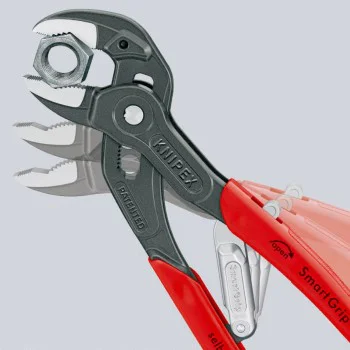
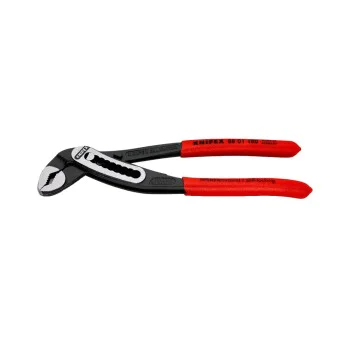
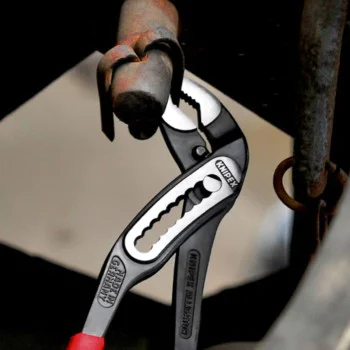
Adjustment can be via a classic channel, a multi-position hinge, or a push-button mechanism. Classic pipe wrenches are easy to adjust and withstand rough handling. Models with multiple positions allow for a more precise fit to the workpiece. The push-button adjustment facilitates quick changes to the opening and reduces the likelihood of the joint slipping under load when the design is properly executed.
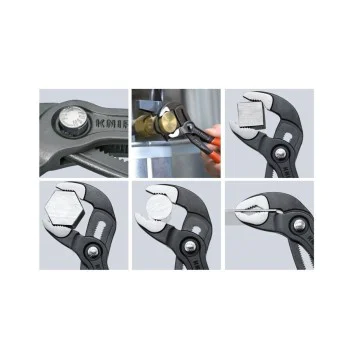
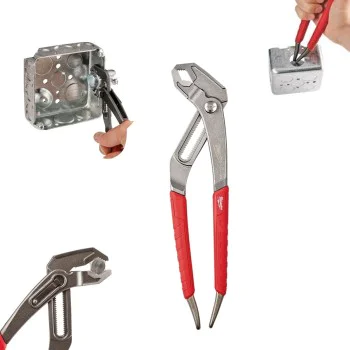
The jaws are usually serrated, with a shape that grips the workpiece from multiple sides. For pipes and round elements, this provides more stable contact, and for nuts and fittings, it helps transmit torque. Some models have a narrower profile for working close to a wall or around joints, while others have more robust jaws for heavier installation tasks.
Applications in Plumbing, Construction, and Workshops
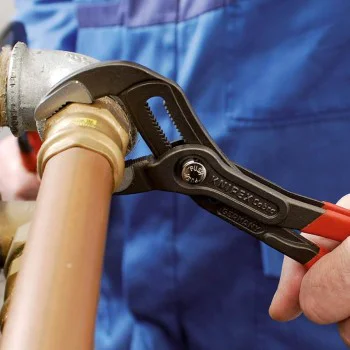
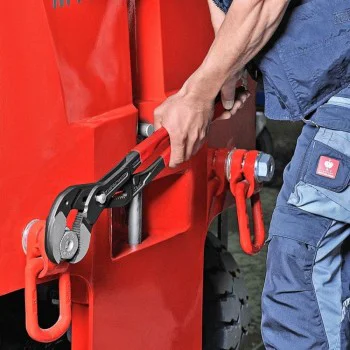
Pliers are used in the installation and maintenance of plumbing systems, heating systems, sanitary fixtures, metal structures, and machinery. They are convenient for tightening and loosening connections, holding a part in place while working with a second tool, removing deformed elements, and adjusting the position of pipe joints.
- Plumbing repairs: working with faucets, flexible hoses, siphons, couplings, hose clamps, and pipe fittings.
- Installation work: securing parts, tightening nuts, and holding components in place during assembly.
- Auto repair and maintenance: securing clamps, hoses, bushings, and fasteners of various shapes.
- Home workshop: repairing household appliances, furniture, metal profiles, and small installations.
When working on visible chrome-plated or painted surfaces, it is advisable to protect the finish with a soft pad or to choose a tool with a gentler profile when the task allows. The serrated jaws grip firmly but may leave marks on delicate materials. For rough disassembly and tightly secured joints, the aggressive tooth is an advantage, while finer fittings require more careful pressure.
How to choose the right size of pliers
The size of the pliers is chosen based on the diameter of the parts, the available space, and the force that needs to be applied. Small pliers are easy to operate with one hand and are convenient in cabinets, service openings, and around plumbing fixtures. Medium sizes are suitable for most household and installation tasks. Long models provide greater leverage for pipe connections, rusted nuts, and heavy-duty repair work.
| Criterion | What to Look For | Practical Use |
|---|---|---|
| Length | Compact, medium, or long body | Control in tight spaces or more power under load |
| Jaw opening | Maximum capacity relative to diameter | Proper grip without excessive opening |
| Adjustment | Channel, multi-position hinge, or knob | Faster adjustment to different parts |
| Jaws | Shape, tooth depth, and profile | Better contact with pipes, nuts, and fittings |
| Handles | Metal, rubber-coated, or two-component | More comfortable grip during prolonged use |
When selecting a tool, also pay attention to the head width. A thinner head fits more easily between pipes, walls, and appliance casings. A more robust head is better suited for heavy-duty applications where access is not restricted. Handles with a non-slip coating improve control when your hands are wet or when working with gloves, and metal handles are easy to clean after contact with oils, construction dust, or dirty water.
Materials, Safety, and Maintenance
For pliers, the steel, the heat treatment of the working parts, and the precision of the hinge mechanism are of great importance. Models made of chrome-vanadium or hardened tool steel are designed for more intensive work, where such versions are available. Coatings such as phosphating, nickel plating, or a polished surface help protect against corrosion and facilitate cleaning after use.
Safe operation begins with a proper grip. The jaws must rest securely on the workpiece, and the handles should not be squeezed in the fully open position, as this reduces control. Pliers should not be used as a hammer, a bending lever, or a substitute for a pipe wrench when subjected to loads beyond their capacity. When working near electrical installations, only tools with clearly marked insulation for the specific task should be used; standard pliers are not electrically insulated tools.
Maintenance is simple but extends the tool's service life. After use, clean the jaws of metal shavings, lime, dirt, and oil. Loosen the hinge and, if necessary, add a small amount of lubricant to maintain smooth adjustment. Storing the tool in a dry place minimizes corrosion, and regularly checking the teeth and mechanism helps ensure the tool remains safe for the next task.
Pliers for professional and home use from Toolsbox.bg
At Toolsbox.bg, you can select pipe wrenches based on size, adjustment type, jaw profile, and the load you expect during use. Choose compact pliers for service and household repairs, a medium size for daily installation, or a longer model for pipe connections and heavier-duty tasks. Consider the tasks you perform most frequently and choose a tool that provides a comfortable grip, stable adjustment, and control during repair, installation, and maintenance.