
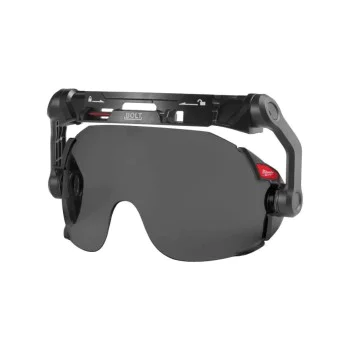
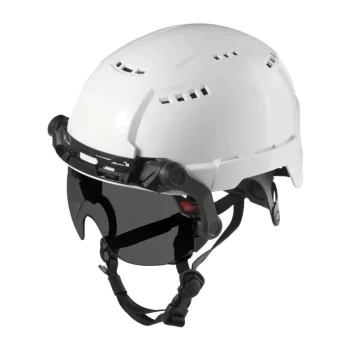
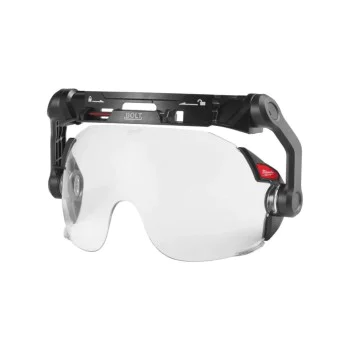
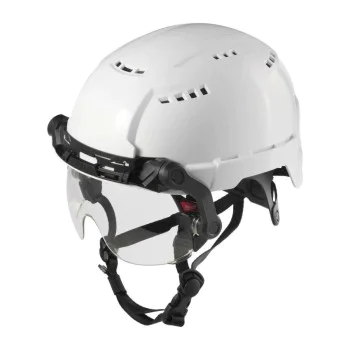
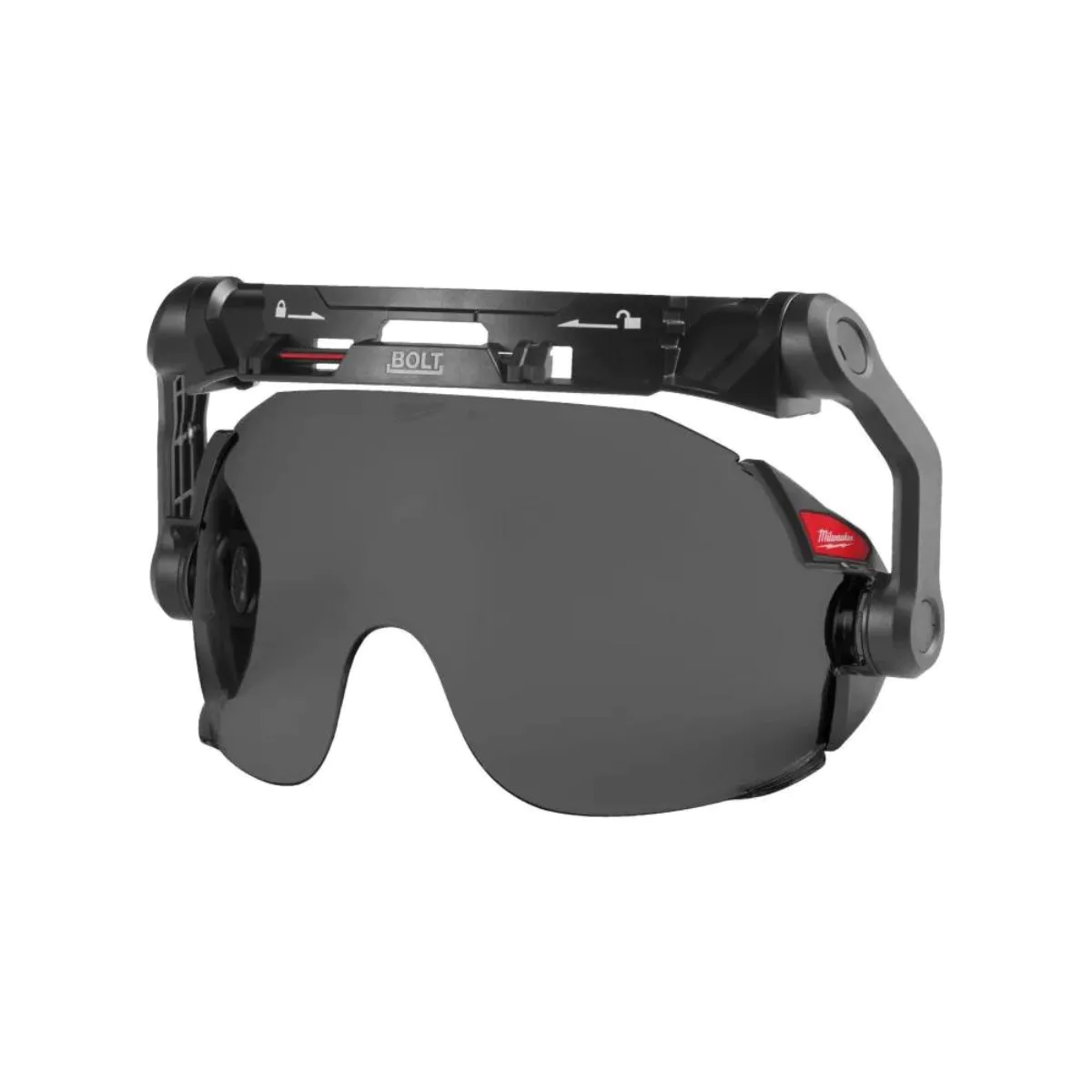
Visor for helmet
Helmet visor for protecting the face and eyes while working
A helmet visor is a practical piece of personal protective equipment for activities where the face is exposed to shavings, dust, splashes, branches, splinters, or other flying particles. It attaches to a safety helmet and extends protection from the head area to the eyes and face without hindering normal movement while working. Such solutions are used in construction, renovation, installation, woodworking, property maintenance, gardening, service work, and various workshop tasks.
A properly selected helmet visor enhances comfort during prolonged work and helps improve visibility of the work area. Toolsbox.bg offers models for daily professional use and for discerning home users who work with machinery, tools, power tools, hand tools, or garden equipment.
What helmet visors include
Every helmet visor consists of a protective screen and a mounting system for attaching it to the helmet. Individual models differ in screen material, transparency, shape, width, lifting and locking mechanism, compatibility with specific helmets, and the level of coverage in front of the face. Some solutions are designed to protect against mechanical particles, while others are more suitable for outdoor work, where good ventilation and a lighter weight are needed.
The most common are transparent screens made of polycarbonate or other durable materials, which protect against dust, small debris, and splashes. Mesh screens are also available and are preferred for mowing, pruning, trimming bushes, and working with a chainsaw or brush cutter. A mesh helmet visor allows air to pass through and reduces fogging, while the transparent type provides more complete coverage against fine particles and liquids.
Main Applications
Helmet visors are used in activities where a standard safety helmet is not sufficient for the face area. In construction and repair operations, they provide protection during chiseling, drilling, sanding, cutting, and cleaning. In workshops, they are useful when working with metal, wood, plastic, and other materials that produce shavings or dust.
For yard work, a helmet visor is very convenient when using brush cutters, hedge trimmers, chainsaws, and other equipment. The visor reduces contact with grass, small stones, branches, and wood particles. For installation and maintenance tasks, the visor helps protect against accidental impacts from small objects, splashes from cleaning fluids, or dust from disassembly.
Types based on material and protective screen
| Visor type | Features | Working environment |
|---|---|---|
| Transparent screen | Good visibility, tight seal, protection against dust and small particles | Repair, installation, workshop, construction operations |
| Mesh screen | Breathable, lightweight, comfortable for extended outdoor work | Gardening, woodworking, mowing, pruning |
| Flip-up model | Allows for quick lifting of the screen during breaks or when switching tasks | Service, installation, maintenance, combined activities |
| Set with holder | Includes a helmet mounting mechanism, depending on compatibility | Use with personal protective equipment at various sites |
How to choose the right helmet visor
When selecting a helmet visor, first check compatibility with the helmet. The mount must fit securely, without play, and without altering the helmet's position on the head. Some visors are mounted using side adapters, others via a universal mount, or through a system designed for a specific helmet type. The size of the face shield also matters: a wider visor covers a larger area, while the more compact version is convenient when working in tight spaces.
Material is the next criterion. Polycarbonate screens are preferred for dust, fine particles, and the risk of splashes. Mesh versions are more breathable and comfortable in hot weather or during intense gardening work. For tasks involving very fine dust, a clear helmet visor typically provides a better barrier than a mesh screen. When working with power tools for cutting, grinding, or drilling, it is advisable to combine the visor with safety goggles when the task requires it.
- Compatibility: helmet type, mount, side vents, adapters.
- Material: clear screen, mesh, durable plastic frame.
- Coverage: length, width, and shape of the face shield.
- Comfort: weight, liftability, stability during movement.
- Work task: construction, maintenance, woodworking, gardening, or groundskeeping.
Comfort, fit, and safe use
A well-made helmet visor must remain stable when bending over, turning the head, and working with hand tools or machines. A screen that is too heavy strains the neck, and an unstable mount hinders concentration. During prolonged use, comfort is just as important as the protective coating.
Maintaining the visor is easy but should not be neglected. Clear visors should be cleaned with a soft cloth and a material-friendly cleaner to reduce the risk of scratching. Mesh visors should be cleared of grass, dust, and wood particles after work. A cracked, heavily scratched, or deformed helmet visor must be replaced because visibility and protection are no longer at the required level.
Storage also affects the service life. It is best to keep the visor away from sharp objects, high heat, and chemicals that damage the plastic or the screen's coating. When transporting in a service vehicle or storage area, it is advisable to lift the visor or protect it from being crushed.
Helmet Visors at Toolsbox.bg
At Toolsbox.bg, you'll find helmet visors for various work tasks-from construction and installation to landscaping and workshop work. Choose a model based on your helmet, the type of screen, the mounting method, and the environment in which you'll be working. This ensures that your protective equipment remains comfortable, practical, and suited to the actual demands of the job site, the workshop, or your home.