
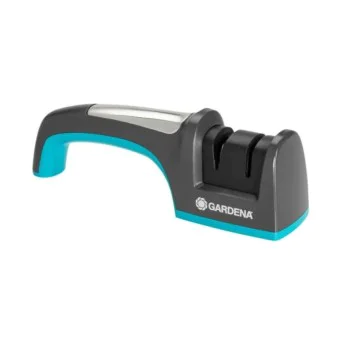
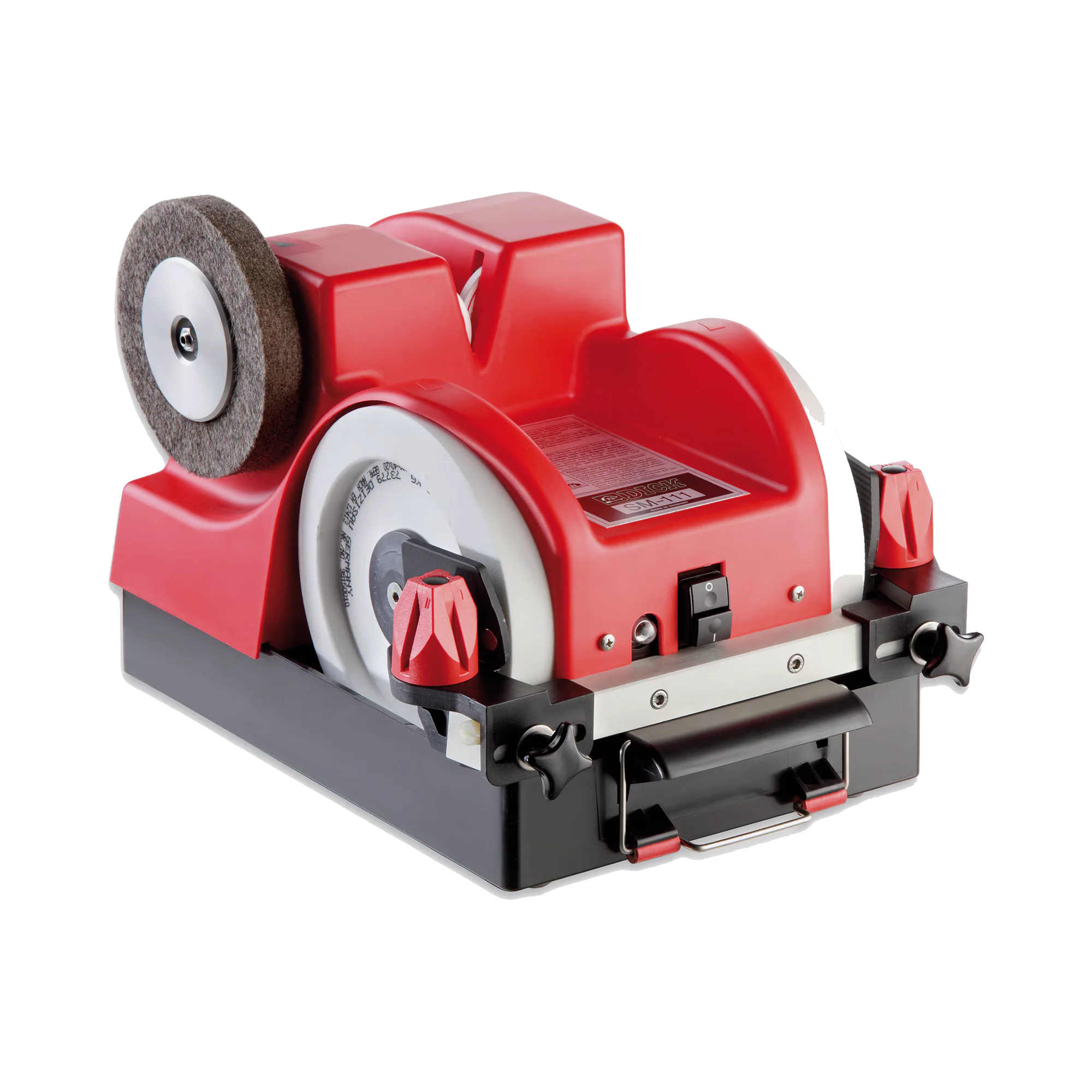
Knife sharpening machine
Knife Sharpening Machine for a Precise Cutting Edge
A knife sharpening machine is a practical electric device for keeping blades in working condition without the need for prolonged manual sharpening with a whetstone. It saves time, maintains a more consistent sharpening angle, and restores a clean cut to kitchen, hunting, pocket, camping, and utility knives depending on the design of the specific model. Such electric sharpeners are valuable for both households and restaurants, service areas, workshops, butcher shops, and places where knives are used daily.
In this section, you will find compact tabletop devices, machines with guide channels, models with multiple processing stages, and sharpeners with various abrasive elements. Some machines are designed for the quick restoration of a dull edge, while others emphasize fine polishing after rough sharpening. When choosing a knife sharpener, it is advisable to consider the type of blades, the desired operating speed, available space, frequency of use, and the need for a coarser or finer finish.
What Do Electric Knife Sharpeners Include?
An electric knife sharpener works by using rotating or vibrating abrasive elements that remove a small amount of metal from the cutting edge and form a new bevel. Unlike manual sharpening, the guide channels hold the blade at a more consistent angle, which reduces the risk of an uneven line and excessive material removal. Some models feature separate zones for coarse sharpening, fine finishing, and polishing.
The range may include tools with diamond discs, ceramic elements, sanding belts, or abrasive wheels. The diamond coating is valued for hard steels and quick edge restoration. Ceramic elements provide a fine finish and are suitable for regular maintenance. Belt machines are preferred in workshops and service settings where more flexible processing and the ability to work with different blade shapes are required.
Applications for Home and Professional Use
A sharp knife makes cutting more controllable, reduces pressure on the handle, and allows for cleaner separation of the material. In the kitchen, this is noticeable when cutting meat, fish, vegetables, bread, and delicate products with a soft texture. In a work environment, the knife sharpener ensures that tools used for packaging, cutting, material preparation, camping, hunting, gardening, or general repairs are always ready for use.
For professional use, the durability of the housing, a stable base, comfortable blade guidance, and easy cleaning of metal dust are important. For home use, compact size, easy storage, and clear work areas that do not require extensive experience are often sought after. For service or workshop use, power, replaceable abrasives, the ability to work for longer periods, and control over the finish are more valuable.
Types of machines and differences between them
| Type of machine | Application | Considerations when choosing |
|---|---|---|
| Compact electric sharpener | Kitchen and household knives | Easy blade guidance, compact size, quick maintenance |
| Multi-stage machine | Coarse sharpening, fine finishing, and polishing | Separate channels or discs for different processing |
| Belt grinding machine | Workshop, service center, knives with different geometries | Replaceable belts, pressure control, greater flexibility |
| Sharpening machine with diamond elements | Hard steels and rapid restoration of the cutting edge | Good abrasiveness, requires careful guidance |
How to choose the right sharpening machine
Consider the type of knives
Before purchasing, compare the machine with the knives it will be used on. Thin kitchen blades require a different approach than thick hunting or utility knives. Some devices are designed for straight blades, while others can only accommodate partially serrated knives in a specific slot. For knives with non-standard geometry, a Japanese profile, or special steel, it is wise to choose a model that offers better control over the angle and pressure.
Sharpening angle and guides
The guide channels help ensure even feeding of the blade. The angle affects the balance between sharpness and edge durability. A finer angle cuts more easily but requires more careful work. A more stable bevel is suitable for knives that encounter harder materials. Machines with clearly defined channels make it easier for users with little experience and reduce the need for manual adjustment.
Abrasive, Power, and Load
The abrasive material determines how quickly metal is removed and what finish remains on the edge. Coarse discs are useful for heavily dulled blades but are unnecessary for regular light maintenance. Fine ceramic or polishing elements refine the edge and remove small burrs from the metal. Power matters for more frequent use and with harder steels, while compact tools are perfectly sufficient for kitchen knives at home.
Ergonomics, Stability, and Cleaning
A stable base, non-slip feet, and conveniently placed controls make the work more controlled. The unit should sit securely on the countertop, and the buttons should be accessible without awkward hand movements. Metal particles are released during sharpening, so easy access to the cleaning areas is a practical advantage. For models with replaceable belts or discs, check the availability of the corresponding consumables and the replacement procedure.
Safety and Proper Maintenance
Working with a knife sharpener requires a calm and even motion of the blade. Excessive pressure does not improve the quality of the process but increases heat and material removal. Guide the blade smoothly through the channel without twisting it sideways. After sharpening, the knife is cleaned of metal dust, and the cutting edge is carefully inspected without touching it in the direction of the cut.
Regular maintenance of the machine itself extends its service life. Clean debris according to the manufacturer's instructions, keep the ventilation openings clear, and prevent moisture from accumulating around electrical components. For belt-type models, replace the abrasive when it no longer cuts evenly or leaves uneven marks. For disc and ceramic sharpeners, watch for dirt, wear, and changes in operating noise.
Why choose an electric sharpener from Toolsbox.bg
Toolsbox.bg offers a selection of knife sharpeners for various levels of use-from compact kitchen tools to more robust machines for workshops and service centers. You can compare models by abrasive type, number of stages, power, size, blade guidance method, and compatibility with different knives. This makes it easier to choose a sharpener that suits your specific needs, without unnecessary features and without compromising on convenience.
Browse the selection at Toolsbox.bg and choose a knife sharpener that will keep your cutting tools sharp, organized, and ready for daily use.