
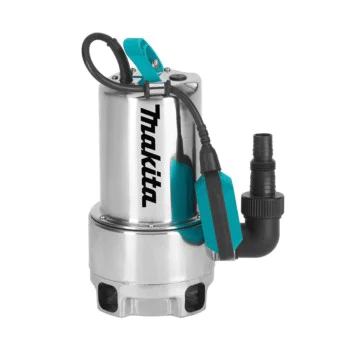
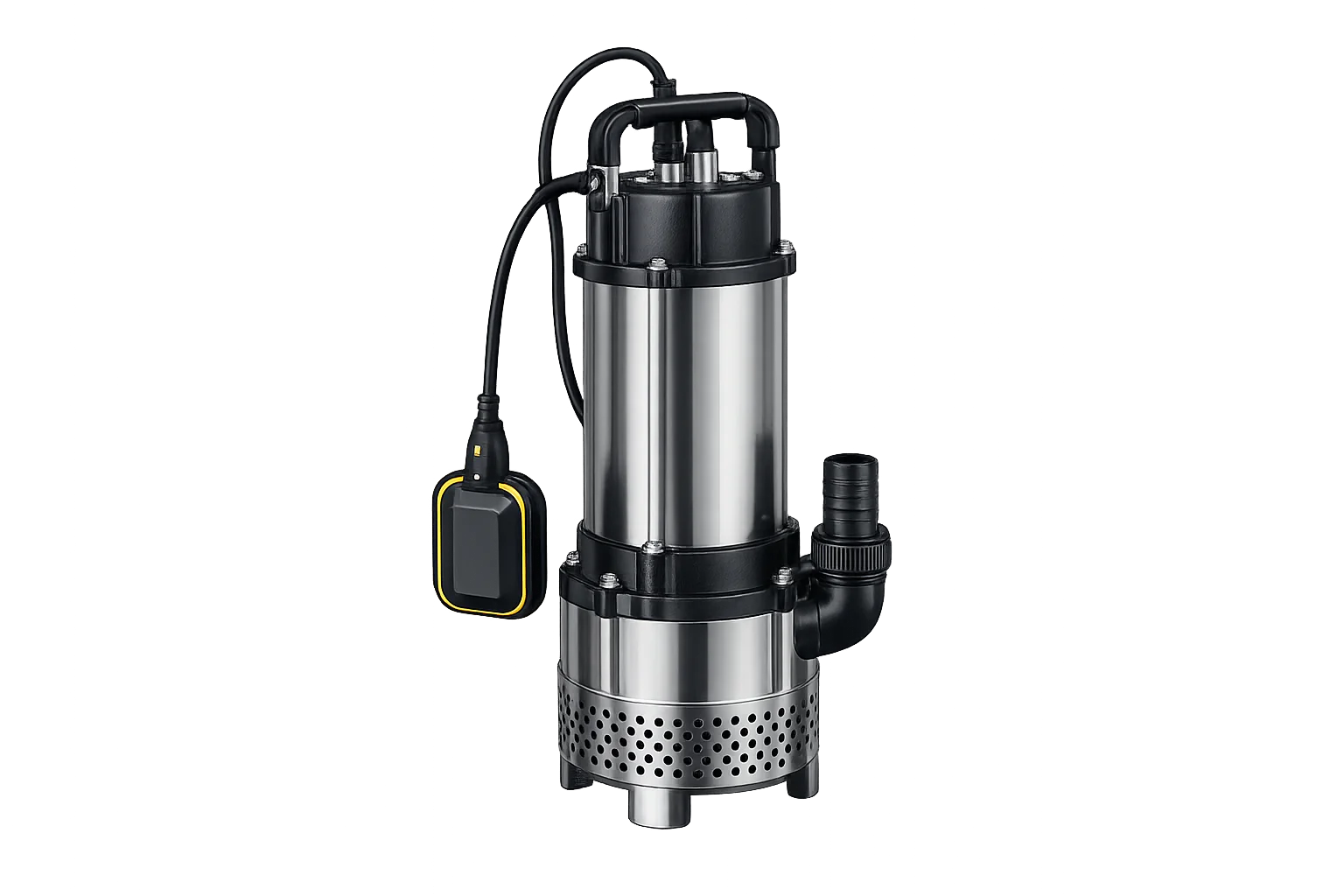
Self-priming pumps for dirty water
Self-priming dirty water pumps for drainage and transfer
Self-priming dirty water pumps are surface water pumps designed to move contaminated water from pits, trenches, basements, tanks, ditches, and temporary catch basins. They operate out of the water and draw in water through a suction hose, which facilitates maintenance, relocation, and connection to various pipelines. The self-priming principle is valuable at sites where the water level fluctuates, access is limited, or the pump is located in a dry area above the water source.
These machines differ from standard submersible models in terms of installation and operation. When the housing is initially filled and the suction line is properly sealed, the pump begins drawing water from a lower level, then discharges it into a channel, tank, drainage system, or other discharge point. Self-priming dirty water pumps are in demand for construction, repairs, emergency drainage, agricultural work, yard maintenance, and service operations.
Applications of self-priming pumps for dirty water
Self-priming dirty water pumps are practical for pumping water containing mud, sludge, fine solids, and organic contaminants. They are used on construction sites, for draining foundations, shafts, and trenches, for cleaning ponds, canals, and reservoirs, and for post-flood cleanup in basements, garages, and utility rooms. For households with yards, these pumps help transfer rainwater, empty lightly contaminated pools, or drain low-lying areas.
For professional use, models with higher flow rates, durable housings, and convenient hose connections are preferred. For home use, a more compact machine is often sufficient, provided the specifications match the suction depth, discharge height, and type of contamination. Always check the technical specifications for the permissible particle size, because not every dirty water pump is suitable for sand, gravel, sewage, or highly abrasive mixtures.
How to Select Self-Priming Pumps for Dirty Water
When selecting a self-priming dirty water pump, the key parameters are flow rate, head, suction depth, power, drive type, and permissible particle size. The flow rate indicates how much water is transferred per unit of time, while the head indicates the height or distance to which the pump delivers the water. With long hoses, elevation changes, and bends in the route, a margin in the parameters is necessary because resistance reduces actual performance.
| Criterion | What to look for | Practical guideline |
|---|---|---|
| Flow rate | l/min or m3/h | A higher flow rate reduces the time required to drain pits, trenches, and reservoirs. |
| Head | Maximum pumping height | A margin is required when discharging to a higher point or using a longer hose. |
| Particles | Permissible diameter of solid impurities | Protects the impeller and reduces the risk of clogging. |
| Drive | Electric motor or fuel engine | Electric models are convenient where power is available; gas-powered models offer mobility in the field. |
| Material | Housing, impeller, seals | This is related to wear caused by muddy water and prolonged operation. |
Electric and gasoline-powered options
Electric self-priming pumps are convenient for workshops, yards, warehouses, service stations, and sites with a power supply. They typically feature easy starting, lower noise levels, and convenient operation for periodic drainage. For open construction sites, agricultural areas, or locations without electricity, gasoline-powered water pumps are practical, as they do not rely on a mains power supply and can be easily moved between different locations.
Self-priming dirty water pumps with larger inlets and outlets handle large volumes of water more quickly. More compact models are suitable for occasional tasks and limited space. When connecting to hoses, check the diameter of the fittings, the thread type, the need for clamps, an inlet filter, and a check valve. A well-sealed suction line is crucial for proper suction and stable operation.
Materials, Accessories, and Compatibility
The housings of these pumps can be made of metal, cast iron, aluminum alloy, or engineering plastic, depending on the model's intended use. The impeller and seals come into direct contact with the dirty water, so in muddy environments, sludge, or during prolonged operation, it is advisable to consider wear resistance. For water containing chemicals, fuels, oils, or aggressive liquids, only use equipment specified as compatible with such substances.
Self-priming dirty water pumps are often paired with suction and discharge hoses, quick-connect fittings, clamps, filters, strainers, check valves, and seals. The correct hose size is directly related to the flow rate: a hose that is too narrow restricts the flow, and improper connections lead to a loss of vacuum. In the case of more contaminated water, the inlet filter protects against large objects, branches, small stones, and debris that could block the impeller.
Safe Operation and Maintenance
Self-priming dirty water pumps require a stable base, properly connected hoses, and monitoring of the liquid level. Running dry puts strain on the seals and can damage the pump assembly, so operation without water should be avoided. For electric models, the cable, plug, and moisture protection are particularly important for safety. For gasoline models, good ventilation, the correct fuel, and engine maintenance according to the manufacturer's instructions are required.
After working with muddy or heavily contaminated water, it is helpful to rinse with clean water, clean the filter, and inspect the connections. Regular maintenance extends the life of the seals, bearings, and impeller. For seasonal storage, drain the pump, clean it, and protect it from freezing, and store the hoses without kinking them.
Choosing the Right Pump for Your Task
Self-priming dirty water pumps are a useful part of equipment for construction, repair, gardening, service, and emergency drainage. The right model is selected based on water volume, discharge height, type of contamination, access to electricity, and required mobility. Browse the offerings at Toolsbox.bg and choose a pump, hoses, and accessories that suit the specific job and workload.