
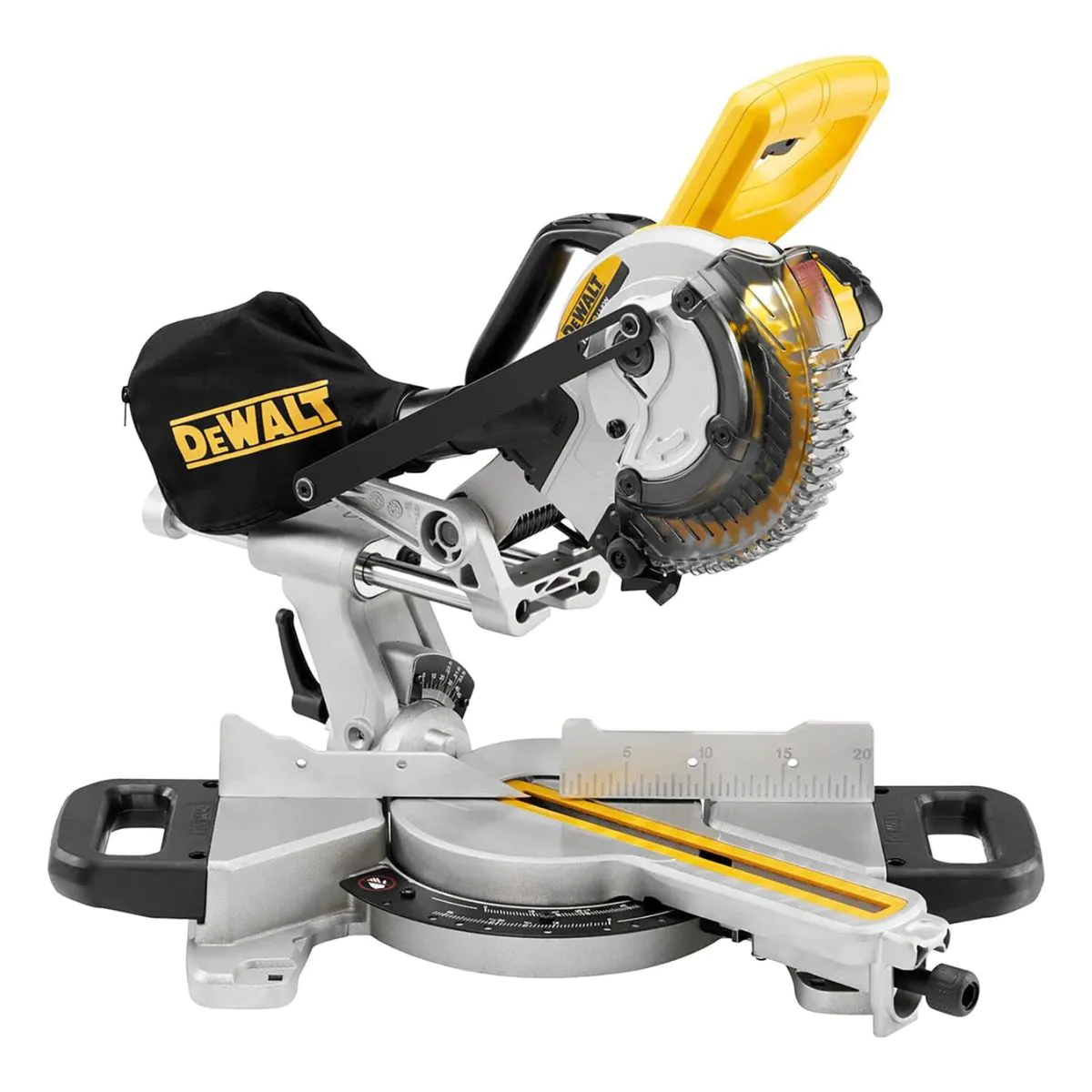
Machines for cutting wood
Wood-cutting machines for the yard, workshop, and professional use
Wood-cutting machines combine technology for preparing wood for heating, construction, repairs, property maintenance, and workshop work. They are used for cutting logs, branches, beams, slats, boards, and workpieces of various thicknesses. At Toolsbox.bg, you'll find electric and gas-powered models, stationary and portable designs, options for home use, and wood-cutting machines for more intensive work.
A well-chosen machine saves time, reduces physical strain, and provides more controlled cutting compared to manual processing. When preparing firewood, the diameter of the material, the length of the logs, the frequency of use, and the location where the cutting will take place are all important factors. For yards with electrical power, electric models are often preferred, while gasoline-powered machines are a practical choice for remote locations.
What Do Wood-Cutting Machines Include?
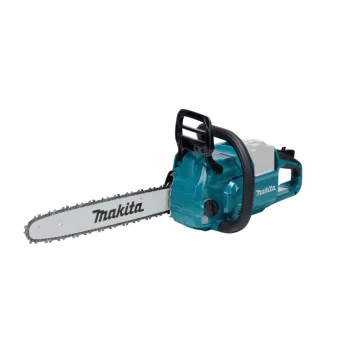
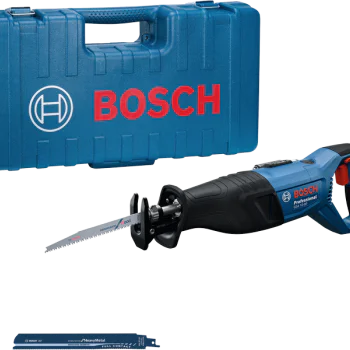
The category of wood-cutting machines includes various types of equipment designed for fast and safe cutting. Some models are designed for cutting logs into short sections, while others are used for construction lumber, planks, or smaller pieces. The differences lie in the drive system, power, size of the cutting element, maximum log diameter, and support structure.
- Electric machines-convenient for the yard, shed, garage, and workshop when there is access to a power outlet.
- Gas-powered machines-practical for outdoor work, in the forest, on a farm, or in areas without electricity.
- Stationary models-ensure a stable position for the material and are suitable for batch cutting of firewood.
- Portable models-make it easy to move between sites, warehouses, yards, and construction sites.
Applications in the home, yard, and professional settings
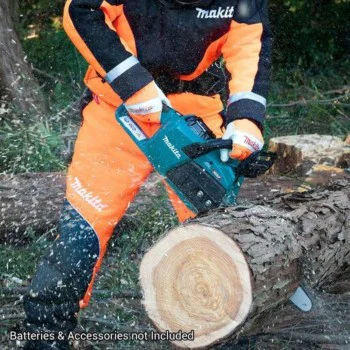
Wood-cutting machines are used for seasonal preparation of firewood for stoves, fireplaces, boilers, and outdoor fire pits. They are also valuable for maintaining orchards, clearing branches, processing wood waste, and cutting material after renovation work. In professional settings, such equipment is found in carpentry shops, service centers, construction crews, farms, and landscaping companies.
When working with drier wood, a clean and even cut is required, while with raw logs and branches, the machine is subjected to greater stress. Therefore, power, RPM, frame stability, and the quality of the cutting disc or chain are directly related to the pace of work. For smaller logs, compactness and ease of maintenance are priorities, while for large logs, a sturdy base, greater cutting capacity, and secure clamping are essential.
Choosing by Drive, Power, and Capacity
When purchasing wood-cutting machines, it is wise to consider several technical parameters. Power affects performance when cutting hard wood and larger diameters. The type of drive determines mobility and operating costs. The size of the cutting element limits the maximum cut, and the design of the table or frame affects comfort during prolonged use.
| Criterion | What to Consider |
|---|---|
| Power | Electric for the yard and workshop; gas-powered for off-grid use. |
| Cutting capacity | Compare the diameter of the logs and the thickness of the workpieces with the model's specifications. |
| Construction | Stationary frame for continuous operation; portable machine for frequent location changes. |
| Cutting element | Disc, chain, or other mechanism depending on the type of wood and the desired cut. |
| Operation | Easy access to consumables, adjustments, cleaning, and replacement of wear parts. |
Cutting elements, consumables, and compatibility
The performance of wood-cutting machines depends heavily on the condition of the cutting element. A dull blade or chain increases the load on the motor, worsens the cut, and extends processing time. When selecting consumables, pay attention to the diameter, bore, chain pitch, number of teeth, thickness, and compatibility with the specific model. For hardwood, cutting elements with the correct geometry and a sharp edge are required, while for clean board cutting, a smooth cut and vibration control are important.
A practical work kit includes spare blades or chains, sharpening tools, safety goggles, ear protection, gloves, and sturdy shoes. For gasoline-powered models, the fuel mixture, filters, and periodic ignition checks are important. For electric machines, monitor the cable, the condition of the circuit breakers, and the overload protection, if provided by the manufacturer.
Safety and Maintenance When Cutting Wood
Wood-cutting machines operate at high speeds and require a stable footing, a clean work area, and proper positioning of the material. The wood must rest securely on the support, without twisting or slipping. The work area must be cleared of sawdust, wood chips, and obstacles, and the operator must stand outside the line of potential kickback. Safety guards, limiters, and stop buttons must not be removed during operation.
Regular maintenance extends the service life of the equipment. Clean off resin and dust, check that fasteners are tight, and inspect cables, belts, bearings, and cutting elements. If you hear noise, feel vibrations, or notice uneven cutting, stop the machine and fix the problem before turning it back on. This keeps the machine running smoothly and allows for more precise woodworking.
Order wood-cutting machines from Toolsbox.bg
Choose wood-cutting machines based on the volume of work, available space, type of wood, and preferred power source. Toolsbox.bg offers a selection of models for home yards, vacation homes, workshops, and professional sites, with a focus on practicality, safe operation, and easy maintenance. Browse our selection and choose equipment that meets your actual needs for cutting, preparing, and processing wood.