
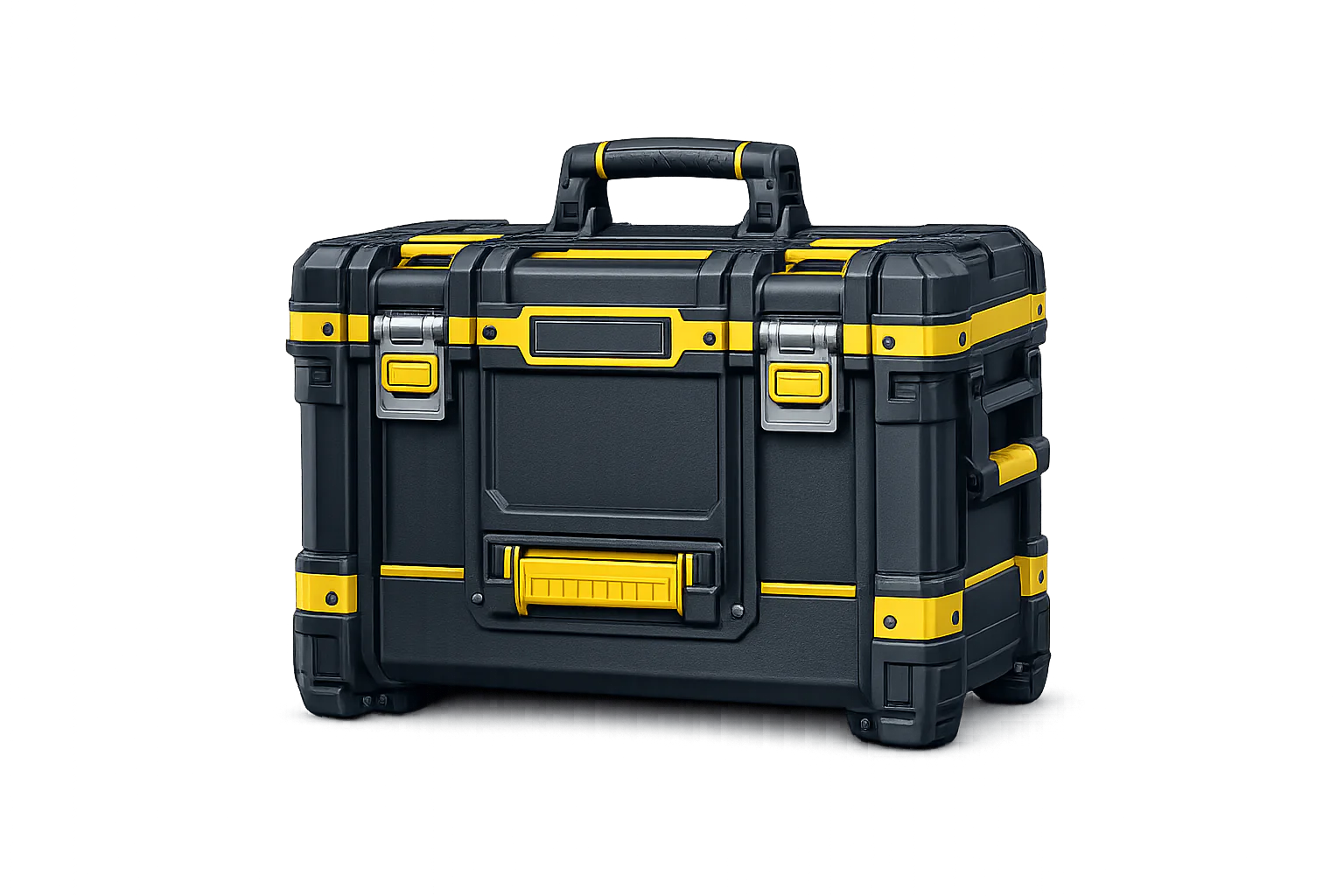
Professional tool case
Professional tool case for organized and mobile work
A professional tool case is a practical solution for storing, transporting, and protecting hand tools, accessories, and small supplies. It keeps work equipment organized, easily accessible, and protected during transport between job sites, at a service center, workshop, or home garage. This section includes cases with varying capacities, interior layouts, body materials, and closure mechanisms, ensuring every task is conveniently organized without unnecessary searching during work.
Whether for installation, repair, electrical work, plumbing, automotive maintenance, or construction, good organization saves time and reduces the risk of losing small parts. The case protects screwdrivers, pliers, wrenches, sockets, bits, measuring tools, fasteners, and other accessories from impact, dust, moisture, and spillage. For professionals, this is part of daily mobility, and for DIYers-a convenient way to keep the workspace clean and organized.
Types of cases based on construction and application
A professional hard-shell tool case is a good choice for transporting heavier hand tools and accessories that require better impact protection. Plastic models are lighter and easier to carry, while options with metal components or reinforced areas are designed for heavier-duty work. Some cases feature removable trays, compartments for small parts, internal dividers, elastic straps, or an organizer in the lid.
| Type of case | Practical use | Distinctive features |
|---|---|---|
| Compact case | Service work, home repairs, light assembly | Lightweight, comfortable handle, space for a basic tool set |
| Case with organizer | Electrical work, fasteners, bits, small consumables | Small compartments, transparent lid or dividers for sorting |
| Reinforced case | Construction, mobile teams, on-site work | More durable body, sturdy fasteners, larger capacity |
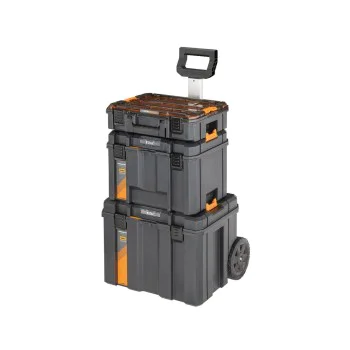
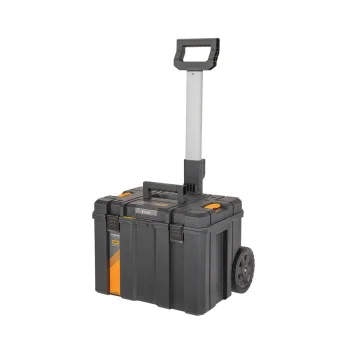
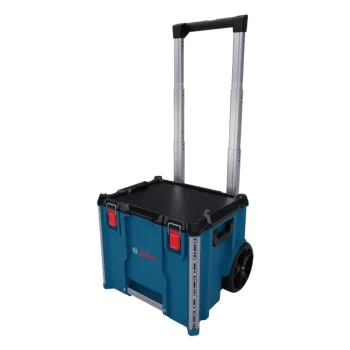
| Wheeled case | Transporting a heavy set of tools | Wheels, telescoping handle, more convenient transport |
Choosing a professional tool case
When selecting a professional tool case, first consider what set of tools you will be carrying on a daily basis. Screwdrivers, pliers, wrenches, and measuring tools require a different internal layout than that needed for sockets, bits, fasteners, and consumables. The length of the largest tool, the weight of the set, and how often you'll be carrying it will determine whether you need a compact model, a case with greater capacity, or a wheeled version.
The material of the case directly affects durability and weight. Plastic cases are convenient for daily mobility, easy to clean, and resistant to normal work-related dirt. Metal or reinforced cases are preferred for heavier loads, workshop use, and transporting bulkier hand tools. The fasteners, hinges, and handles deserve careful consideration because they bear the load during carrying and opening.
Internal layout and organization
In a professional tool case for electricians, compartments for small parts, bits, cable lugs, terminals, and measuring accessories are a priority. For auto mechanics and service technicians, deeper compartments for sockets, ratchets, extension bars, and wrenches are convenient. For general repair and installation work, it is practical for the case to have a removable tray that separates small accessories from bulkier tools in the lower section.
Dividers and organizers help ensure that every item has a designated place. This makes it easier to quickly check the kit before heading to a job site and reduces the risk of mixing sharp, delicate, or easily lost items. When working with power tools, it's helpful to set aside space for bits, drill bits, sockets, socket wrenches, and other small accessories.
Protection, Safety, and Convenience During Transport
A properly selected professional tool case protects the contents from shifting, scratching, and accidental drops. Models with a secure latch are valuable when working in a vehicle, on a construction site, or in a high-traffic area. The lid should open smoothly without straining the hinges, and the handle should allow for a secure grip even with a heavier load.
A professional tool case with wheels reduces the strain during long trips, on staircases, at service stations, and on large job sites. With this option, pay attention to stability when upright, the width of the wheels, and the comfort of the telescoping handle. For working in tight spaces, a more compact case is often more convenient because it fits in a car, cabinet, workbench, or service cart.
Maintenance and compatibility with the tool set
Regular cleaning of the case extends the life of the hinges, latches, and interior compartments. After working with dusty materials, fasteners, or greasy parts, it is advisable to clean the case and store sharp tools separately from measuring instruments. This keeps the interior organization convenient and protects the contents better during transport.
Before purchasing, consider the internal length, depth, and total capacity in relation to your existing tools. For an expandable set, leave extra space for future accessories, fasteners, and consumables. If you work at different sites, a lighter case with clearly defined compartments will make transport easier. If the set is heavy and full, a sturdier construction or wheels will reduce fatigue.
Choose a professional tool case from Toolsbox.bg based on volume, material, interior organization, and your work style. This way, you'll organize your hand tools, accessories, and consumables into a practical kit, ready for service, installation, repair, and daily maintenance.