
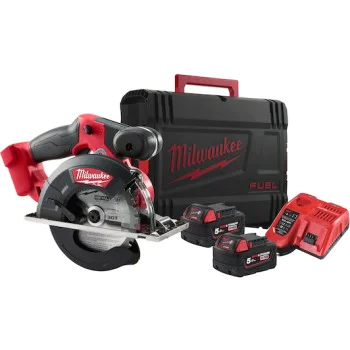
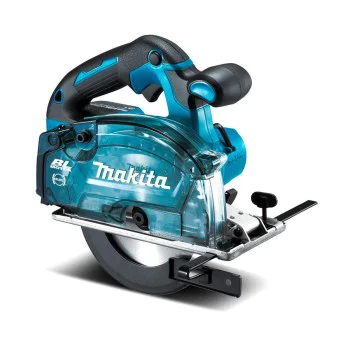
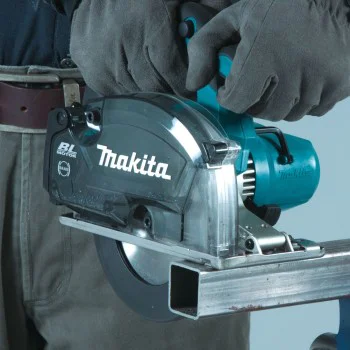
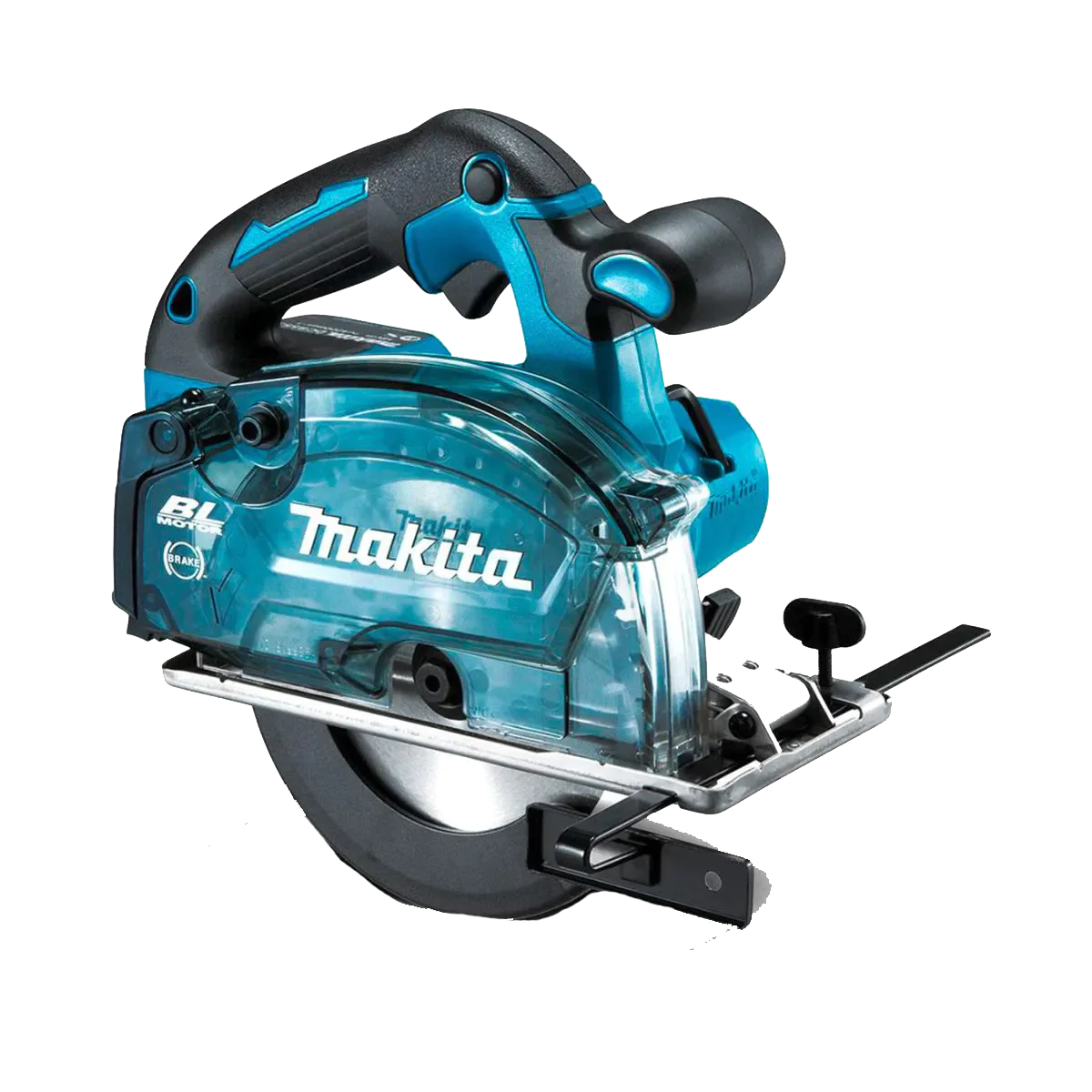
Circular saw for metal
Metal circular saw for clean and controlled cutting
A metal circular saw is a power tool designed for fast, precise, and controlled cutting of steel profiles, pipes, sheet metal, aluminum parts, and other metal workpieces. It is a valuable choice for workshops, installation work, construction sites, service work, and precision DIY projects where an angle grinder does not provide a sufficiently straight cut or is not convenient for a series of repetitive cuts. The right model helps achieve a cleaner edge, less rework, and better control over the cutting line.
For cutting metal, machines with varying power, blade diameter, cutting depth, base type, and guidance systems are used. Some models are handheld circular saws for on-site work, while others are stationary or bench-top solutions for cutting profiles at a specified angle. What they have in common is the need for the right blade, stable clamping of the material, and adjusting the speed to the type of metal.
What tasks is a metal circular saw used for?
Metal circular saws are used in the fabrication of structures, the installation of metal frames, the cutting of pipe systems, the preparation of profiles for welding, and the repair of fences, doors, shelving, sheds, and machine components. They are convenient for straight cuts when better repeatability is required than with free-hand cutting using an abrasive disc.
With handheld models, the advantage is mobility. They are easily transported to the job site and work well on sheet metal, metal panels, profiles, and parts that cannot be easily placed on a stationary machine. Bench-top models provide a more stable base, a more precise angle, and more secure clamping of the workpiece. For this reason, they are preferred for batch cutting of profiles, pipes, and strips of uniform length.
Machine types based on operating mode
- Hand-held metal circular saw - for mobile work, cutting sheets, profiles, and parts directly at the worksite.
- Bench circular saw or metal-cutting disc saw-for precise cross-cuts, repeatable lengths, and angle cutting.
- Compact models-ideal for limited space, maintenance tasks, and finer assembly operations.
- Powerful machines for heavy-duty work-for thicker material, larger profiles, and continuous cutting throughout the workday.
How to choose a metal circular saw
The selection process starts with the material and dimensions of the workpieces. Thin sheet metal, aluminum profiles, and steel pipes place different demands on the machine. A larger blade diameter provides greater cutting depth but requires a compatible machine and more careful control. Motor power is crucial for solid profiles, thick-walled pipes, and continuous operation, where a weaker machine heats up faster and loses speed.
For bench-top models, pay attention to the vise, the angle scale, the stability of the base, and ease of adjustment. Good workpiece support reduces vibration and helps achieve a straighter cut. For hand-held circular saws, key criteria include ergonomics, visibility of the cutting line, depth adjustment, the guard, and the ability to connect to a chip collection system when the design allows it.
Practical selection criteria
- Blade diameter and bore - these must match the machine's specifications and the desired cutting capacity.
- RPM-metal cutting discs operate within a specific range; incompatible RPMs increase the risk of wear and poor cut quality.
- Power - higher power is an advantage for solid profiles and longer uninterrupted operation.
- Cutting depth and width-determine the actual size of the pipes, strips, and profiles that can be processed.
- Guiding and clamping-a stable base, precise adjustment, and secure clamping are particularly valuable for repeatable cuts.
- Weight and mobility-a lightweight body is convenient for installation, while a heavier base enhances stability in the workshop.
Blades, consumables, and compatibility
The quality of the cut depends heavily on the correct cutting disc. For metal, use discs with appropriate tooth geometry, carbide-tipped plates, or specialized cutting elements for the specific material. A wood blade is not a safe choice for metal workpieces, as the teeth, RPM, and load are different. For stainless steel, aluminum, or ferrous metals, it is advisable to select a blade according to the manufacturer's specifications for both the blade and the machine.
Check the diameter, mounting hole, maximum allowable RPM, and direction of rotation. A worn, cracked, or dirty blade impairs cutting performance and increases the load on the motor. When working with chips, it is helpful to regularly clean the area around the guard, the base, and the guides. This keeps the movement smooth and maintains more precise settings.
Safety and Comfort When Cutting Metal
Metal cutting requires safety glasses, gloves appropriate for the task, hearing protection, and a securely clamped workpiece. Chips are sharp and hot, and sparks may fly during certain operations. Keep the work area clear of flammable materials, cables, and objects that obstruct movement. Do not remove the protective guards and safety mechanisms, as they are essential for safe machine operation.
For longer cuts, the pressure on the machine should be applied gradually. Excessive pressure does not speed up the cutting process enough but puts a strain on the motor, blade, and bearings. When cutting thin-walled profiles, ensure the workpiece is stable to prevent vibration and the blade from jamming. After completing the cut, wait for the machine to come to a complete stop before placing it on the workbench or floor.
Maintenance and Longer Service Life
Regular maintenance of the metal circular saw includes cleaning out chips, inspecting the power cord, checking the clamps, the guard, the flanges, and the condition of the blade. For models with a brush motor, monitor brush wear, and for stationary machines, check the stability of the base and the accuracy of the angle settings. Storing the machine in a dry place protects metal parts from corrosion, and it is best to keep the blades separate from impact and moisture.
At Toolsbox.bg, you can select a metal circular saw based on the type of work, material, required power, and preferred cutting method. Browse the available models and pair the machine with the right blades and accessories to achieve a clean cut, good control, and more comfortable operation in a service center, workshop, or on-site.