
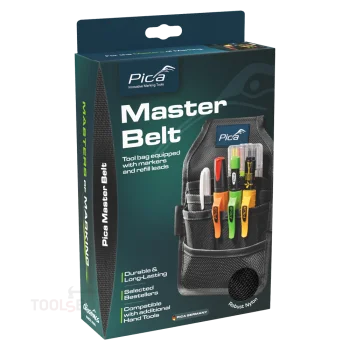
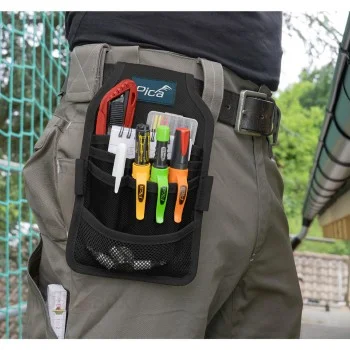
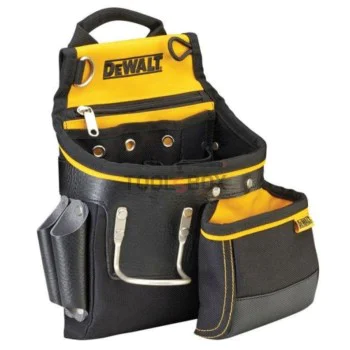
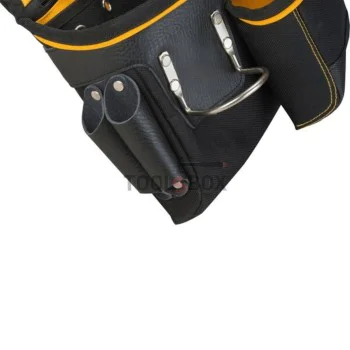
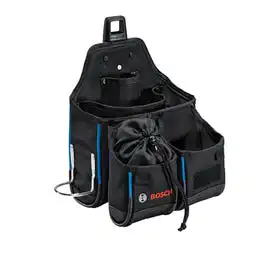
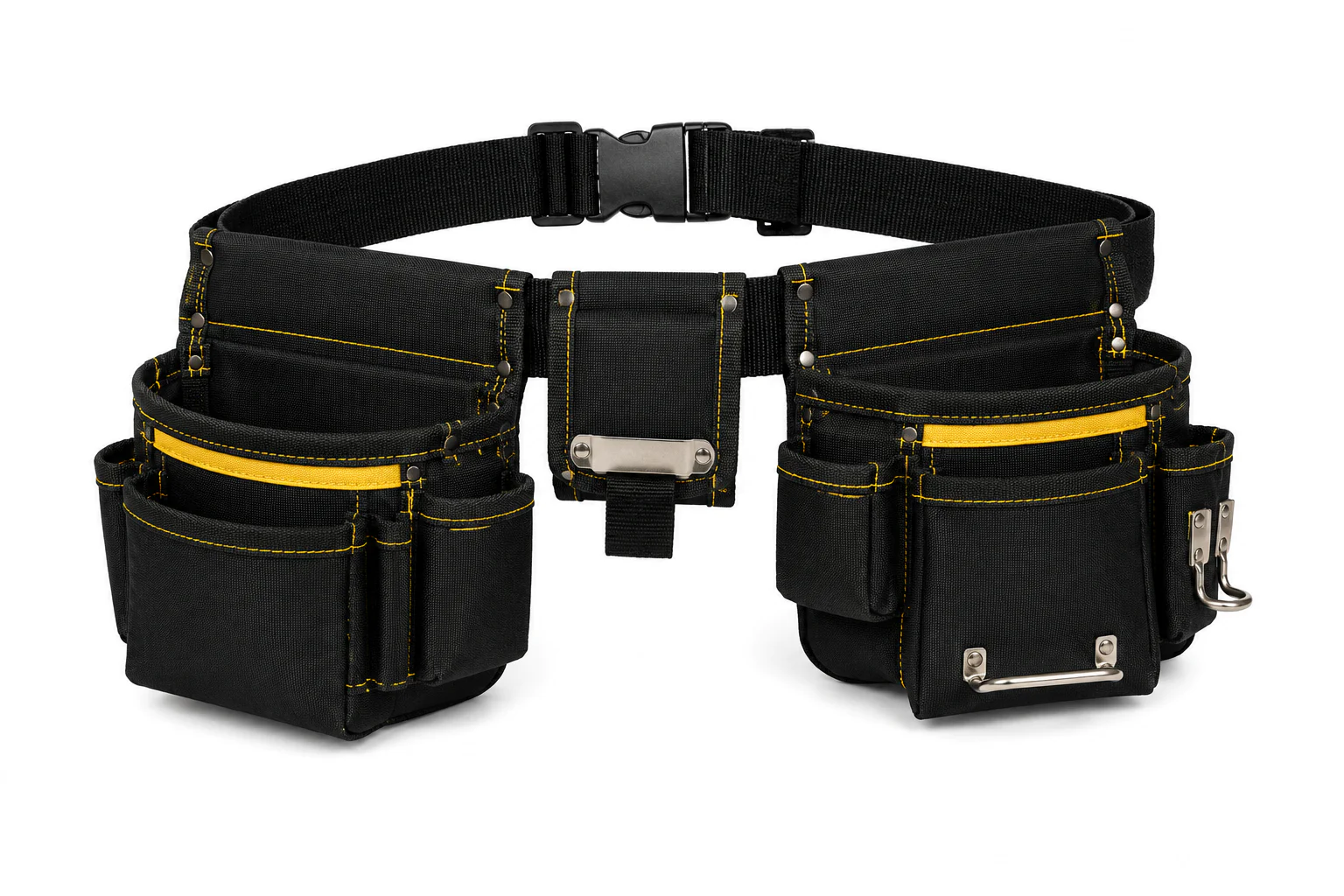
Belt bags
Belt Bags for Organized Tool Management
Belt bags are a practical solution for craftsmen, installers, technicians, and DIYers who want their most essential tools always within reach. They are worn across the waist and keep your hands free when working on a ladder, roof, scaffolding, in a service center, workshop, or during home repairs. Instead of constantly searching for a screwdriver, tape measure, pliers, pencil, bits, or fasteners, a well-chosen belt bag keeps everything organized, accessible, and protected from getting scattered.
This type of equipment includes compact pouches for a basic set of hand tools, larger multi-section models, screwdriver holsters, hammer holders, and compartments for nails, screws, dowels, and small supplies. Belt bags are used on their own or as part of a larger tool-carrying system when a standard toolbox or backpack is kept away from the work area.
Applications in installation, repair, and maintenance
Belt pouches are invaluable for tasks where the tradesperson moves frequently, changes work positions, or lacks a convenient surface for organizing tools. For electrical work, they hold screwdrivers, pliers, cable lugs, electrical tape, and a tester. For drywall and finishing work, they can hold a utility knife, pencil, tape measure, level, bits, and screws. In carpentry, they are convenient for nails, a hammer, a carpenter's pencil, an awl, and small measuring tools.
For service work, belt pouches reduce unnecessary trips back to a toolbox or cart. The technician can carry only the necessary set for the current task, without having to carry a heavy bag all the time. This is especially useful when working in tight spaces, at heights, in a garage, warehouse, production facility, or on a construction site.
Organization of hand tools and supplies
Good organization is one of the main reasons for choosing belt bags. Separate pockets organize tools by size and purpose, while smaller sections keep fasteners together in one place. Models with open pockets allow for quick one-handed access, while versions with a flap or closure protect the contents while moving, bending, or carrying.
Deeper pockets are convenient for small consumables because screws and dowels don't fall out easily. For longer tools, reinforced slots and holders are useful, as they limit wobbling while walking. When working with power tools, a screwdriver holster or a compartment for bits and sockets is a good addition.
Types and Design Differences
Belt bags differ in volume, material, number of compartments, fastening method, and load-bearing capacity. Compact models are lightweight and convenient for quick repairs, inspections, and finishing work. Larger versions offer more space and are preferred for construction, structural assembly, carpentry tasks, and intensive service work.
- Single-compartment models-convenient for a small set of tools and quick movement.
- Multi-pocket bags-offer better organization of tools, fasteners, and accessories.
- Models with a hammer holder-useful for carpentry, formwork, installation, and rough repair work.
- Screwdriver holsters-keep the tool close at hand and free up the work surface.
- Combined systems-include multiple pockets and an adjustable belt for heavier loads.
| Features | Practical significance |
|---|---|
| Number of compartments | Determines how well tools and small accessories are organized. |
| Material | Textile, leather, or synthetic material affect weight, durability, and flexibility. |
| Belt attachment | A secure attachment reduces twisting and unwanted slipping while moving. |
| Reinforced seams and rivets | Absorb stress during frequent use with heavier hand tools. |
| Pocket depth | Helps securely carry screws, dowels, bits, and small parts. |
Selection based on tasks and workload
When choosing a belt pouch, it's wise to first consider what tools you'll carry daily. An electrician needs slots for screwdrivers, pliers, a tester, and small supplies. For a furniture or drywall installer, pockets for bits, a tape measure, a pencil, a knife, and screws are more useful. For construction work, deeper compartments, a hammer holder, and a more secure attachment to the belt are needed.
Size directly affects comfort. A bag that's too large and loaded with unnecessary tools strains the lower back and gets in the way when squatting or climbing a ladder. A model that is too small limits organization and requires frequent trips back to a toolbox or workbench. A good guide is a list of the tools that are actually used for most of the workday.
Materials, Comfort, and Safety
The material is crucial for durability and performance under load. Dense fabric is lightweight, flexible, and comfortable for daily use. Leather models offer good abrasion resistance and retain their shape when carrying heavier tools. Synthetic materials with reinforced areas are practical for construction and repair work involving dust, sharp edges, and frequent friction.
Comfort depends on the belt's width, weight distribution, and the position of the pockets. Belt bags with well-placed compartments do not press against the thigh and do not hinder movement. When working at heights, it is advisable for sharp points, knives, and awls to be secured in stable slots, and for small parts to be prevented from falling out. This reduces the risk of injury, loss of fasteners, or tool damage.
Compatibility with other equipment
Belt pouches can be combined with toolboxes, organizers, tool backpacks, and mobile work carts. Larger equipment stays close to the work area, while only the items needed for the current task are carried on the waist. This simplifies organization for professional teams and demanding home repairs, where every minute and every movement counts.
When working with power tools, it's helpful to have space for sockets, bits, drill bits, adapters, and small consumables. Hand tools require compartments of varying widths to keep screwdrivers, pliers, markers, and measuring tools separate. Modular belt bags allow you to add or rearrange individual pockets depending on the specific task.
Maintenance and Long Service Life
Regular cleaning of dust, shavings, plaster, and metal particles protects the seams and fasteners. After work, it is advisable to empty the pockets of sharp or dirty items, as these can wear through the bottom. For textile models, dry cleaning with a brush is sufficient for daily maintenance, while leather requires a careful approach without harsh chemicals.
Periodically check the areas under the most stress-rings, rivets, seams, buckles, and attachment points. With timely removal of dirt and proper weight distribution, belt bags retain their shape and remain comfortable during prolonged use.
Browse the models at Toolsbox.bg and select belt bags based on your tools, tasks, and work environment-for better organization, faster access, and a more streamlined workflow.