
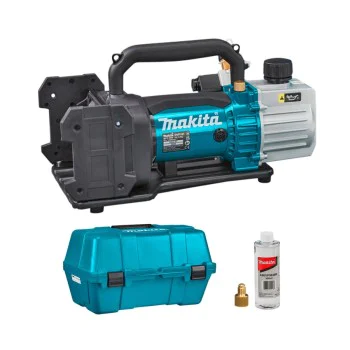
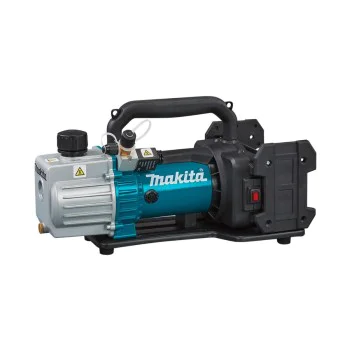
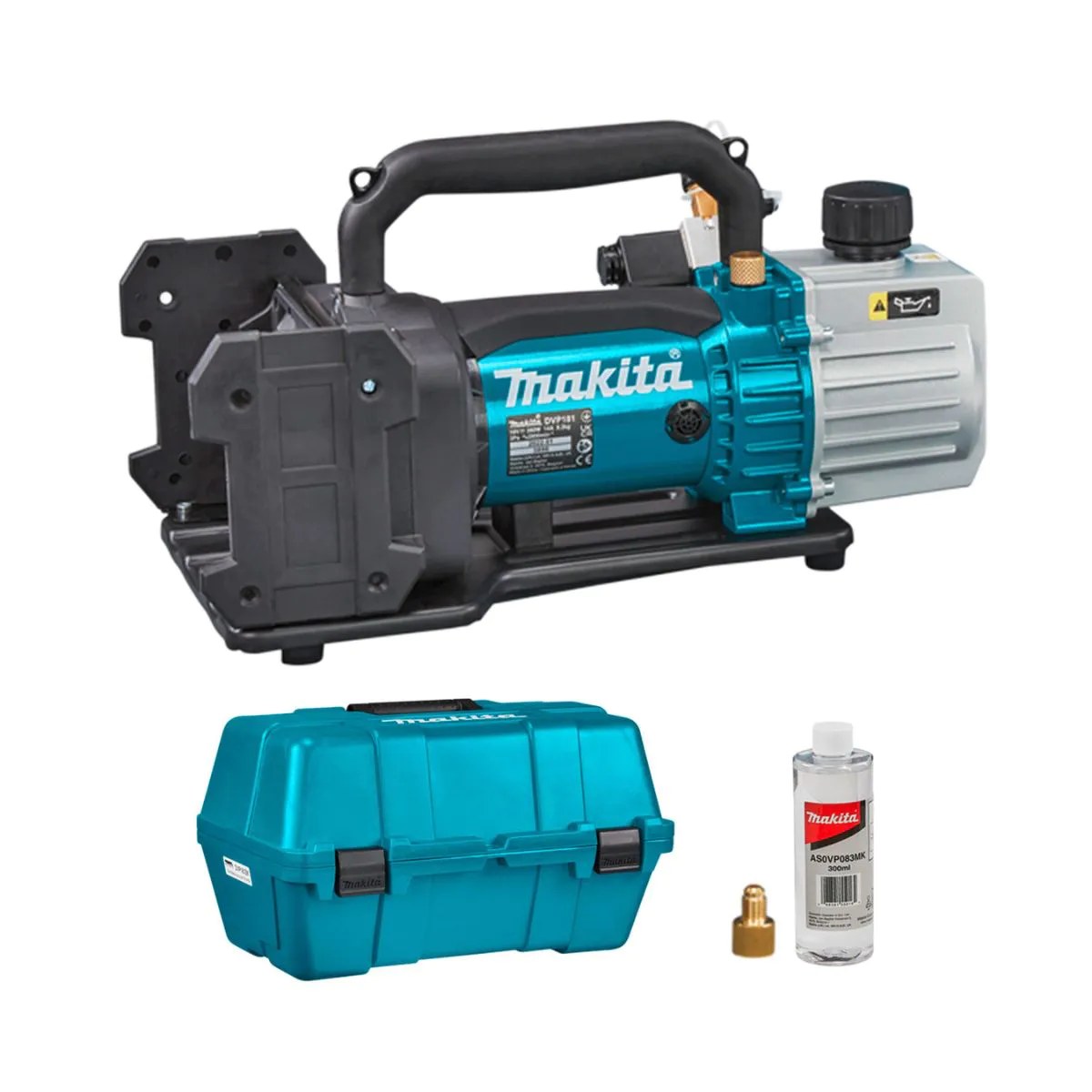
Vacuum pumps for air conditioners
Vacuum pumps for air conditioners for installation, service, and maintenance
Air conditioning vacuum pumps are specialized machines designed to remove air, moisture, and non-condensable gases from the refrigeration circuit prior to charging with refrigerant. They are used during the installation of split systems, preventive maintenance of home and office air conditioners, repair of heat pumps, component replacement, and service work on refrigeration systems. Proper vacuuming protects the system from internal corrosion, moisture freezing, unstable pressure, and reduced performance.
The product range includes oil-sealed vacuum pumps with various flow rates, single-stage and two-stage models, compact pumps for mobile service, and more powerful machines for heavy-duty work. Some models are designed for HVAC systems using various refrigerants and connect to service pressure gauges, vacuum gauges, hoses, and adapters. This provides the technician with the necessary tools for clean and controlled system preparation.
What are vacuum pumps used for in air conditioning systems?
In air conditioning systems, vacuuming is a mandatory service operation after opening the refrigeration circuit. The pump extracts residual air from the piping, the indoor unit, the outdoor unit, and the service hoses. This is particularly important during new installations, extensions, or replacements of copper pipes, as well as when replacing a compressor, evaporator, condenser, filter-drier, or valve.
Vacuum pumps for air conditioners are used in:
- installation of residential split and multi-split systems-preparing the piping before startup;
- servicing inverter and conventional air conditioners-operation after repair or a leak;
- maintenance of heat pumps-evacuation of moisture and air during servicing;
- refrigeration equipment with a similar operating principle-with compatible connections, oils, and operating parameters;
- leak testing-in combination with a pressure gauge, vacuum gauge, and appropriate procedure.
For professional HVAC service, the choice of pump affects operating speed and the stability of the achieved vacuum. For home repairs and installations by experienced users, more compact models offer easier portability and on-site operation, provided their parameters match the system's capacity.
Types of Vacuum Pumps for Air Conditioners
The various models differ in design, flow rate, ultimate pressure, oil type, connection sizes, and ease of use. In air conditioning applications, rotary oil pumps are the most common, as they achieve a deep vacuum and maintain stable operation with proper oil changes.
| Pump Type | Practical application | Characteristics |
|---|---|---|
| Single-stage vacuum pump | Installation and maintenance of small HVAC systems | Lighter construction, convenient for mobile use, sufficient for many standard tasks |
| Two-stage vacuum pump | Professional service and systems with higher capacity | Achieves a deeper vacuum and more stable moisture evacuation |
| Compact service pump | On-site work, floor-by-floor installations, minor repairs | Lighter weight, easy to carry, practical for technicians on the go |
| Pump with higher flow rate | Larger pipe runs and more intensive service work | Reduces evacuation time when hoses and fittings are properly sized |
How to choose the right vacuum pump
When selecting a vacuum pump for air conditioners, the first considerations are the volume of the systems being serviced and the frequency of use. For single residential air conditioners, a more compact model with moderate flow rate is often sufficient. For service work involving daily visits, longer pipe runs, or heat pumps, it is advisable to opt for a higher flow rate and a two-stage design.
Flow Rate and Ultimate Vacuum Pressure
Flow rate indicates how quickly the pump extracts air from the system. It is specified in l/min, m3/h, or CFM. A higher flow rate is useful for larger volumes but does not compensate for poorly sealed connections, narrow hoses, or contaminated oil. Ultimate vacuum pressure indicates the depth of vacuum the pump achieves when operating correctly. In HVAC systems, a deeper vacuum helps remove moisture from the circuit.
Single-stage or two-stage design
Single-stage pumps are practical for standard installations; they are lighter and easier to transport. Two-stage vacuum pumps for air conditioners are preferred by service technicians who work with various systems and require deeper evacuation. For more complex repairs, heat pumps, and larger installations, the two-stage mechanism provides better control over the final result.
Connection and Compatibility
Before purchasing, check the size of the inlet fitting and the available adapters for the service kit. SAE-type connections, such as 1/4" or 3/8", are commonly used, but the practical configuration depends on the gauge block, hoses, and the air conditioning system being serviced. The requirements for vacuum oil should also be checked, as clean oil is directly related to achieving the required vacuum.
Consumables, Accessories, and Proper Maintenance
The vacuum pump works best with clean oil, intact hoses, and airtight connections. The oil absorbs some of the moisture and contaminants, so changing it regularly is part of standard maintenance. Cloudy, darkened, or contaminated oil reduces the machine's ability to achieve a deep vacuum and puts a strain on the mechanism.
Air conditioning vacuum pumps are often paired with pressure gauge blocks, vacuum gauges, service hoses, quick-connect fittings, adapters, vacuum oil bottles, and spare seals. Well-chosen accessories reduce leakage through connections and facilitate precise operation. When using different refrigerants, it is necessary to check the compatibility of the hoses, seals, and service fittings.
Safe operation and long machine life
Working with HVAC systems requires attention to pressure, refrigerant, and electrical supply. The vacuum pump is connected to the system using properly prepared hoses and pressure gauges, without residual overpressure in the service circuit. After use, the pump inlet is closed or protected from dust, and the machine is stored in a dry place. Regular checks of the oil level, the condition of the cable, the seals, and the filter elements extend the service life and reduce the risk of downtime during servicing.
Browse the selection of vacuum pumps for air conditioners at Toolsbox.bg and choose a model based on the system volume, required flow rate, connection sizes, and operating frequency. This way, you'll equip your service center or workshop with a machine that meets the specific requirements for the installation, repair, and maintenance of air conditioning equipment.