
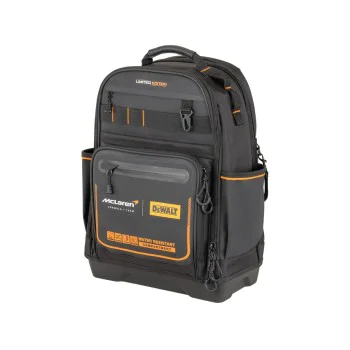


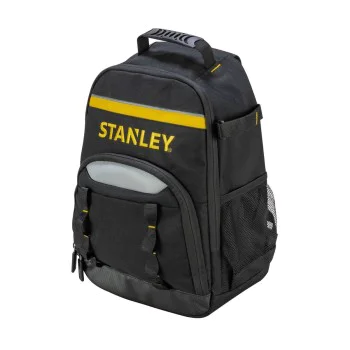
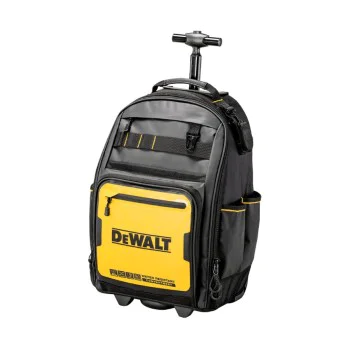
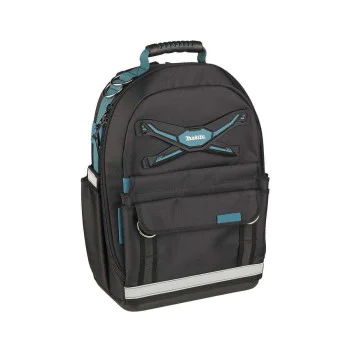
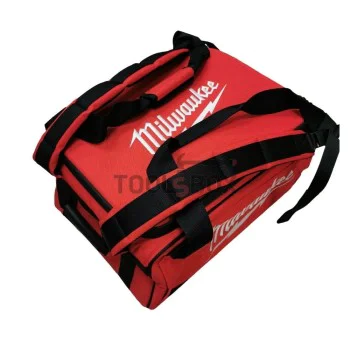
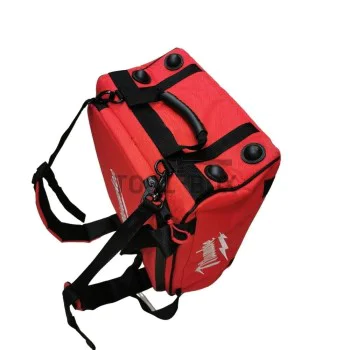
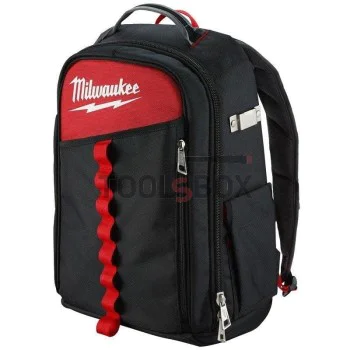
Backpack for tools
Tool backpack for organized transport and on-site work
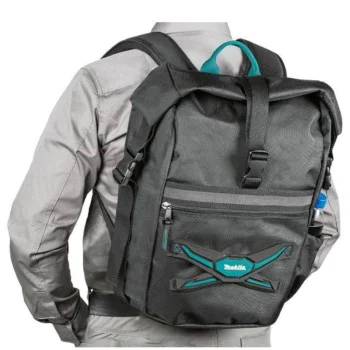
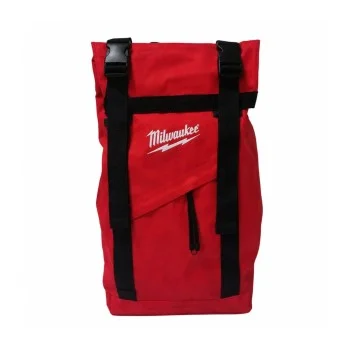
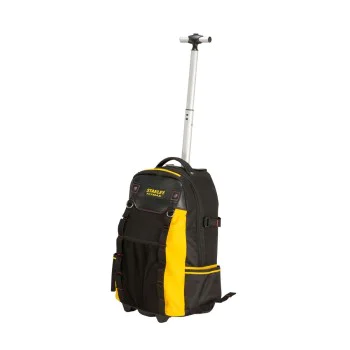
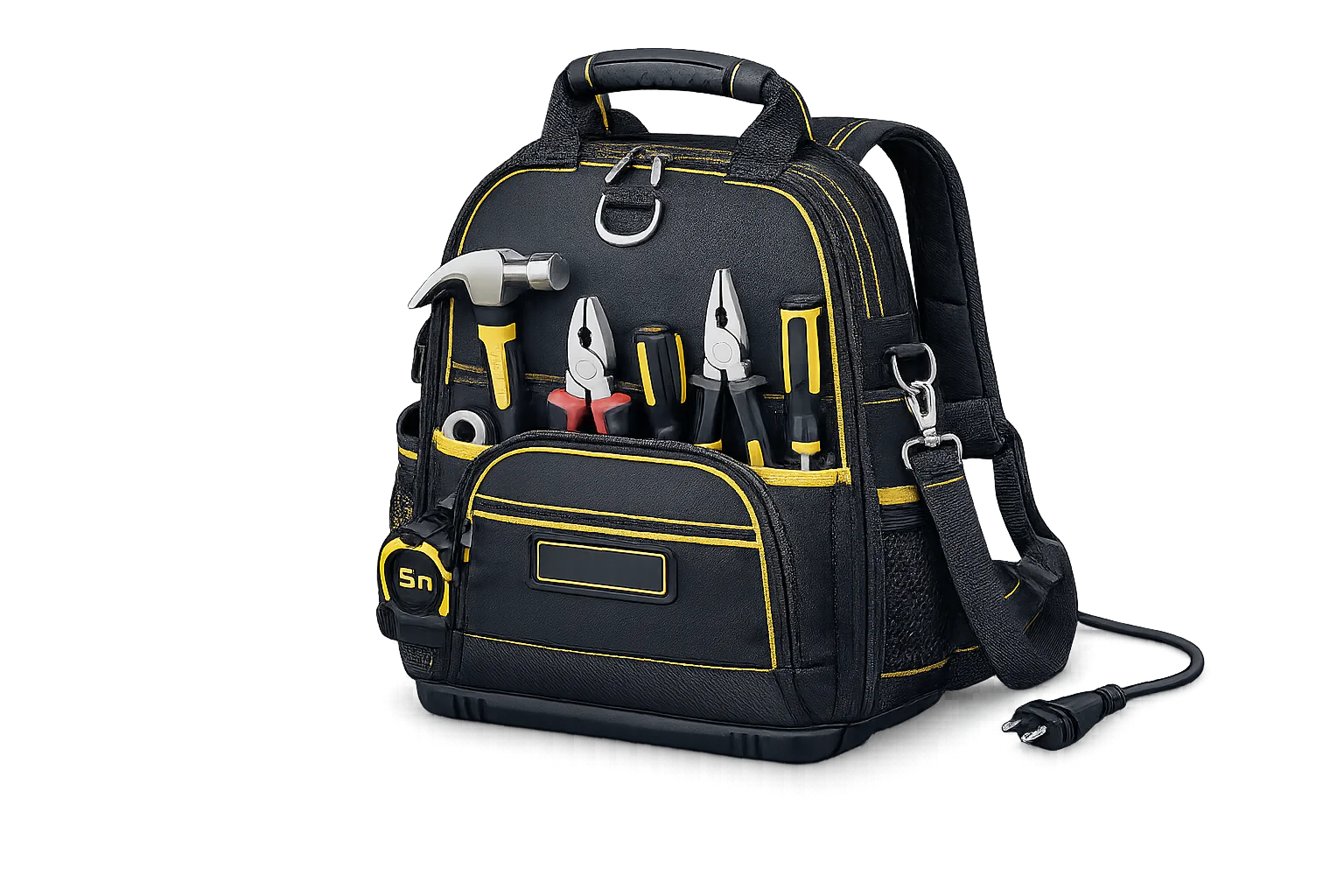
A tool backpack is a practical choice for craftsmen, technicians, and DIYers who carry hand tools, measuring instruments, accessories, and small supplies between a workshop, service center, construction site, or installation location. The backpack design keeps your hands free when navigating stairs, entrances, roof spaces, and tight areas, while the internal layout ensures every screwdriver, pliers, wrench, bit, or tape measure has its place.
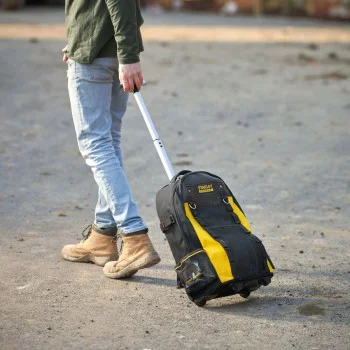
Compared to a classic tool bag, carrying it on your back distributes the weight more evenly and is more comfortable during longer walks from the vehicle to the site. A tool backpack is also ideal for service teams carrying a diagnostic, repair, and maintenance kit, without wasting time searching for small accessories.
What makes a well-chosen tool backpack
Models in this category vary in volume, internal layout, number of pockets, opening mechanism, and bottom reinforcement. With the more compact options, the focus is on lightness and quick access to hand tools for minor repairs. Larger tool bags offer space for more accessories, small power tools, chargers, consumables, personal protective equipment, and documents.
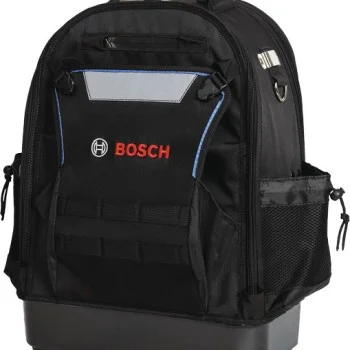
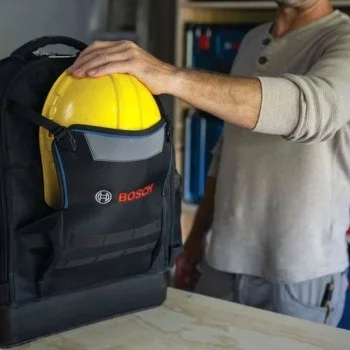
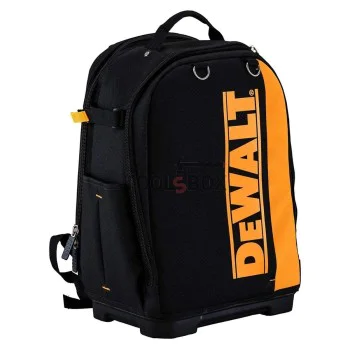
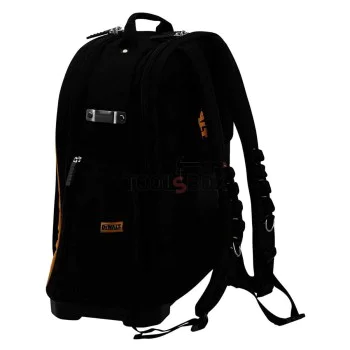
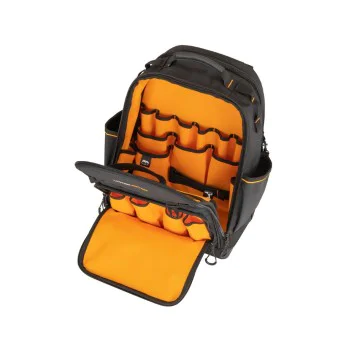
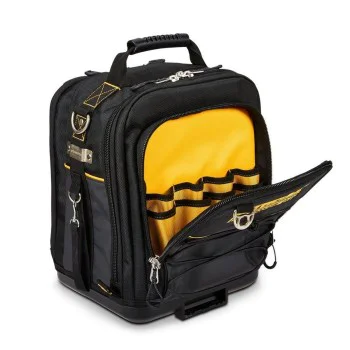
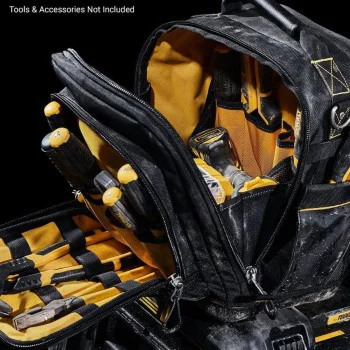
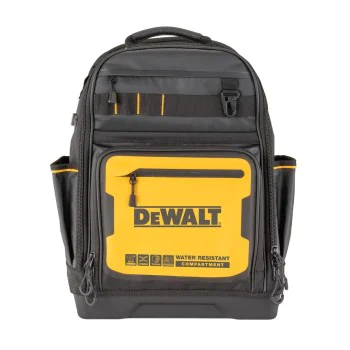
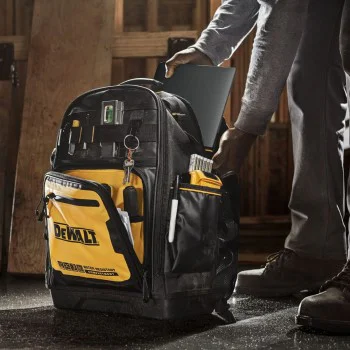
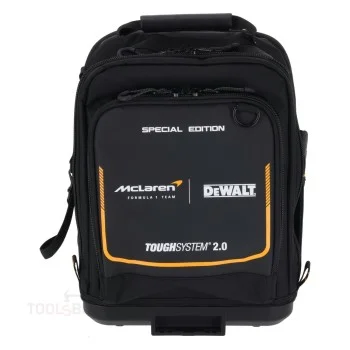
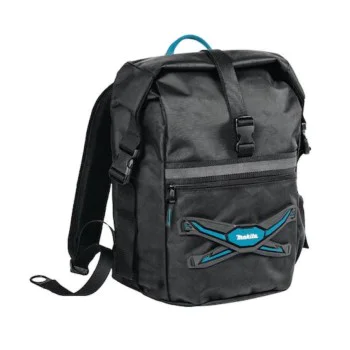
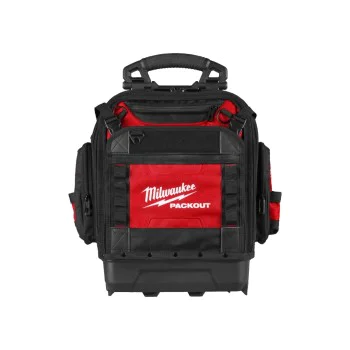
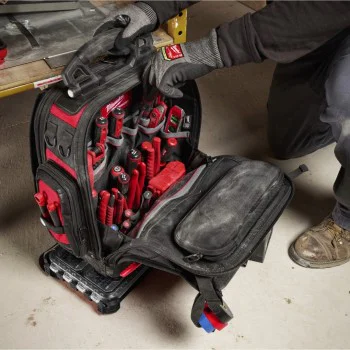
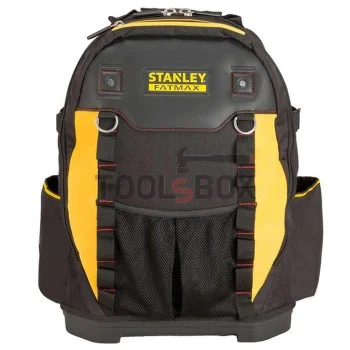
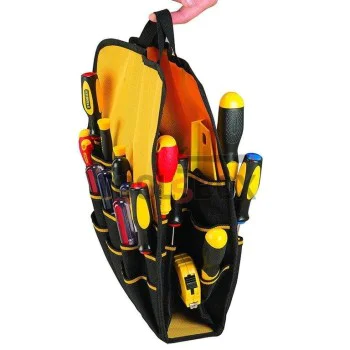
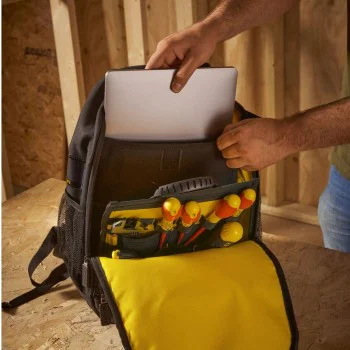
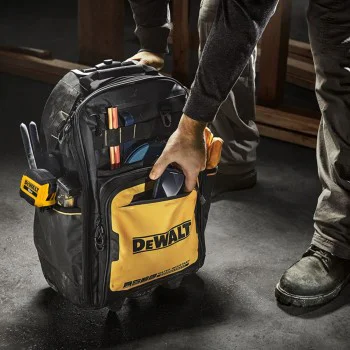
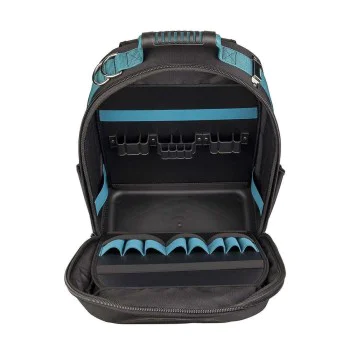
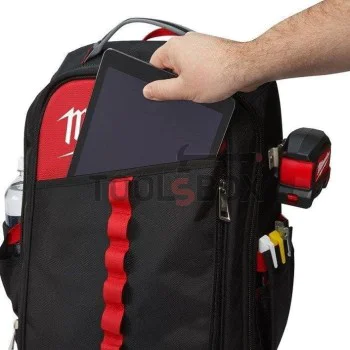
Individual models feature internal elastic bands, fabric loops, external pockets, zippered compartments, a rigid or reinforced bottom, ergonomic shoulder straps, and a top handle for short-distance carrying. A tool backpack with a wide opening makes it easy to see the contents, while a model with more small pockets is convenient for bits, sockets, markers, dowels, screws, and electrical installation accessories.
Applications in installation, service, and repair
A tool backpack is useful for electrical installations, plumbing work, furniture assembly, equipment installation, machine repair, building maintenance, and work in auto repair shops. When making rounds in industrial facilities or residential buildings, the compact organization saves unnecessary trips back to the car or workbench.
For electricians, the narrow pockets for insulated screwdrivers, pliers, a phase tester, crimping pliers, and testers are invaluable. For furniture and equipment installers, the compartments for hex keys, bits, a tape measure, a level, a utility knife, and fasteners are convenient. For service technicians, the protected compartments for a multimeter, small power tools, batteries, a flashlight, spare parts, and consumables are essential.
How to Choose the Right Model
When choosing a tool backpack, consider the actual set of tools you carry every day. A model that is too large encourages overpacking, while one that is too small forces you to compromise on necessary accessories. The balance between volume, weight, and organization is crucial for comfortable work throughout the day.
| Criterion | Practical tip |
|---|---|
| Volume and Compartments | For daily use, look for enough pockets for hand tools, fasteners, and measuring tools. |
| Base | The reinforced base protects the contents when placed on concrete, a floor, the ground, or a damp surface. |
| Straps and Back | Padded shoulder straps and a sturdy back panel reduce strain when carrying a heavier load. |
| Access | The wide opening is convenient for on-site work, and the exterior pockets provide quick access to frequently used accessories. |
| Fabric and seams | The durable fabric, reinforced areas, and high-quality zippers are essential for intensive professional use. |
Size, weight, and interior layout
A tool backpack should hold the necessary tools without them piling up haphazardly. Good organization reduces the risk of damage to measuring instruments, scratches on accessories, and loss of small consumables. For heavier metal tools, compartments with thick walls and secure fastenings are useful, while for sensitive devices, a separate compartment away from sharp points and cutting edges is desirable.
When working with screwdrivers, small cordless tools, or chargers, look for a tool backpack with a deeper central compartment. If the set consists mainly of hand tools, the number and visibility of the pockets are more important for quickly accessing the specific tool.
Materials, Protection, and Maintenance
A work backpack is placed daily on rough surfaces, in dusty rooms, service areas, and construction sites. That's why durable fabric, sturdy zippers, reinforced seams, and a bottom that doesn't easily deform are important. When transporting more expensive measuring instruments or power tools, it is wise to keep them separate from heavy wrenches, pliers, and cutting tools.
Maintenance is easy when the contents are checked regularly, dust is removed promptly, and wet supplies or dirty accessories are not left inside for long. Sharp tools should be carried with a safety guard or in a separate case to prevent damage to the fabric and other items.
Practical organization for professional and home use
A tool backpack helps you build a personal mobile kit for quick response. Professionals gain better organization during daily visits, while discerning DIYers get a tidy spot for the most essential tools for home repairs, installation, and maintenance. A well-chosen tool backpack reduces the scattering of accessories and keeps the workspace tidier.
Choose a tool backpack from Toolsbox.bg based on the size of your kit, your work style, and the need for quick access. This way, you'll organize your hand tools, accessories, and supplies in a way that makes transport and work on any job site easier.