
Gas burners
Gas torches for soldering, heating, and repairs
Gas torches are compact and portable devices for localized flame applications such as soldering, heating metal, thawing pipes, singeing, paint stripping, heat-shrink tubing, and minor repair work. They are used in gas technology, service work, construction installation, workshops, and home maintenance when controlled heat is needed without heavy equipment. Toolsbox.bg offers a selection of models for different work intensities-from small handheld torches to kits with a hose, regulator, and interchangeable nozzles for longer tasks.
The advantage of a gas torch lies in its portability and ability to quickly reach operating temperature. It can be used on-site, in a garage, in a service area, or for outdoor activities where an electric heater is impractical. A properly selected model provides more precise flame control, a more comfortable grip, and better compatibility with the type of gas container.
Types of Gas Burners and Typical Applications
Gas torches differ in design, nozzle size, method of connection to the gas cylinder, and flame adjustment capabilities. For more delicate operations, a more concentrated flame is desired, while heating large surfaces requires a wider and more powerful flame stream.
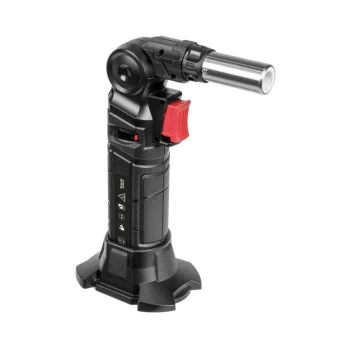
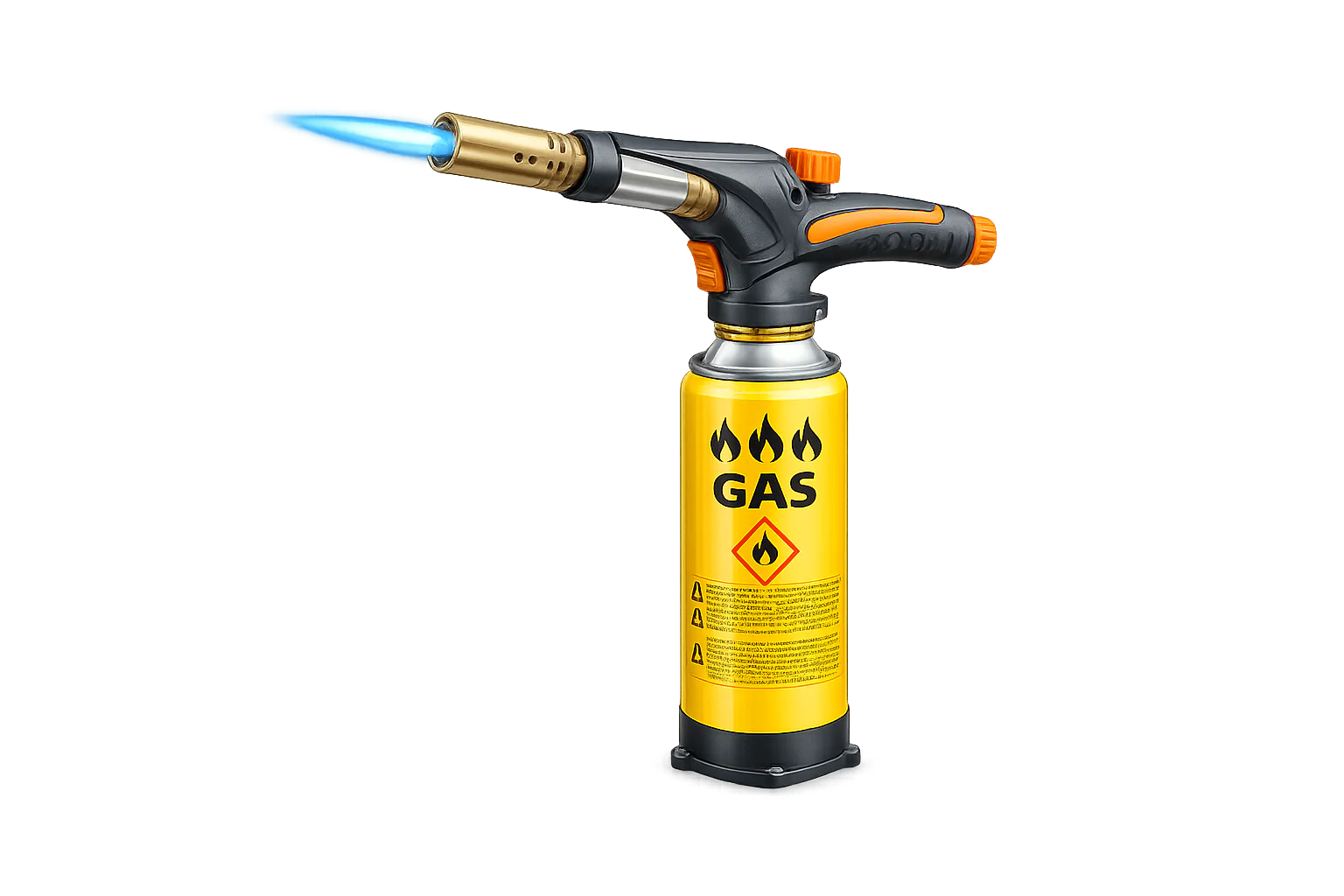
- Handheld canister torches-lightweight and easy to carry, preferred for quick repairs, ignition, heating small parts, and working in hard-to-reach places.
- Hoses connected to a cylinder-provide longer runtime and a more stable gas supply for extended activities in construction, maintenance, or the yard.
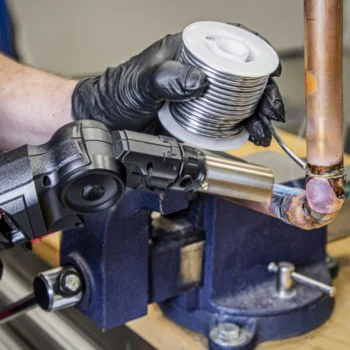
- Soldering torches-feature a more precise flame zone, convenient for working with copper pipes, fittings, metal components, and small repair jobs.
- Construction and roofing torches-used for heating bituminous materials, waterproofing layers, singeing surfaces, and other tasks requiring a more powerful flame.
- Nozzle kits - practical for various tasks, as they allow you to change the nozzle tip depending on the flame shape and heating area.
Criteria for choosing a gas torch
When purchasing, consider the type of fuel, the heating area, the frequency of use, and the required flame precision. Small gas torches are convenient for quick repair jobs and hobby work, while models with a hose and cylinder are more practical for heavy-duty professional use. For installation tasks, the weight, handle shape, and ability to work at different angles are important.
- Gas type and connection-check compatibility with butane, propane-butane, gas canisters, or cylinders, as well as the type of thread or adapter.
- Power and consumption-higher heat output is needed for large surfaces, while lower consumption is convenient for longer operations with a canister.
- Flame adjustment-fine-tuning helps with soldering, heating delicate parts, and working near materials that should not be overheated.
- Ignition-models with piezo ignition make starting easier because they do not require a separate lighter or matches.
- Tips and nozzles - interchangeable heads expand the application of a single torch for parts of various sizes and shapes.
- Hose and regulator-when working with a gas cylinder, select compatible components that can withstand the intended pressure and gas type.
Compatibility with Consumables and Accessories
A gas torch operates correctly only when the consumables and accessories are properly matched. Choose a canister or cylinder with the appropriate connection, and if necessary, add a pressure regulator, hose, clamps, adapter, or spare tip. For kits with multiple components, checking threads, diameters, and operating pressure reduces the risk of leaks and an unstable flame.
For service and installation teams, it is useful to have spare seals, nozzles, and consumable gas on hand to avoid interruptions when switching tasks. For home use, compact models are more practical, as they are easy to store and can be quickly prepared for minor repairs.
Safety during operation and maintenance
Gas torches require careful handling, good ventilation, and a stable placement of the gas cylinder. Before ignition, inspect the hose, connections, and seals. Do not direct the flame toward flammable materials, cables, plastic components, or people. After finishing, turn off the gas supply, allow the hot parts to cool, and store the appliance away from heat sources.
Regular cleaning of the nozzle and protecting the burner from impact help ensure an even flame and extend the appliance's service life. If you notice a gas odor, unstable combustion, or a damaged hose, stop using the appliance until the problem is resolved.
The Choice for Service, Construction, and Home Maintenance
Gas torches make tasks easier that require strong, focused, and portable heat. They are useful for plumbing installations, metalwork repairs, surface preparation, roofing work, burning, and seasonal maintenance. At Toolsbox.bg, you can select a model based on the type of gas, connection method, flame type, accessories, and expected workload. Browse the options and choose the right gas torch for your workshop, job site, or home.