
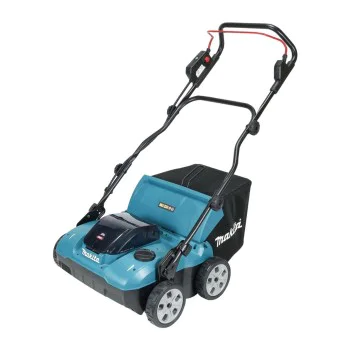
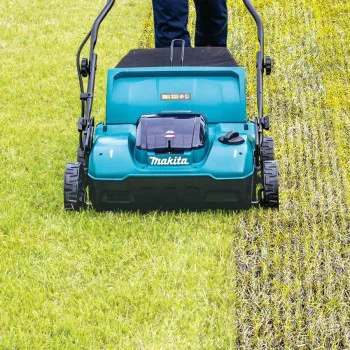
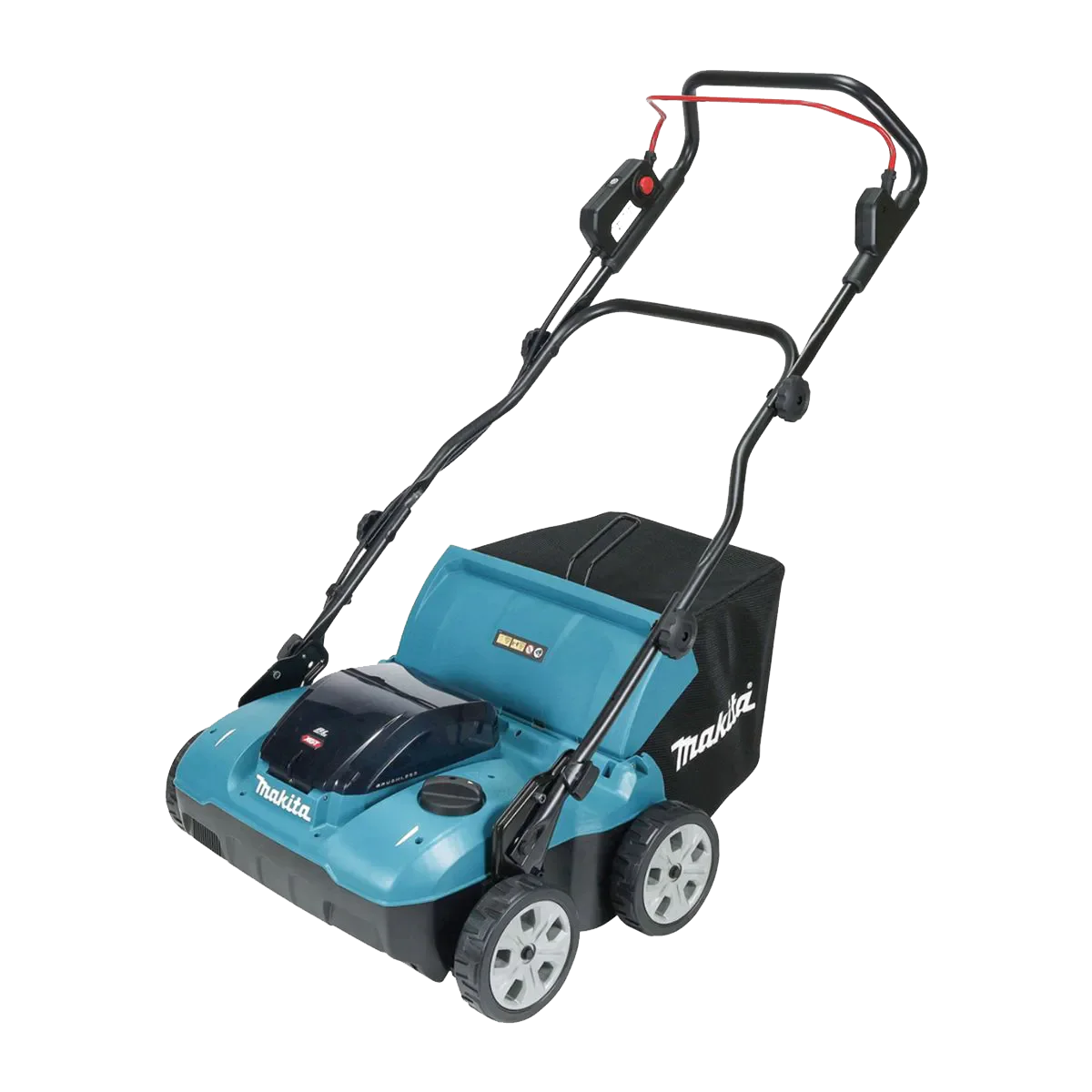
Aerator for grass
Lawn Aerator - Aeration and Restoration of the Lawn
A lawn aerator is a machine or hand tool for treating lawns, which cuts, pierces, or loosens the top layer of soil. This allows air, water, and nutrients to reach the roots more easily, and the compacted soil is loosened after mowing, walking, and seasonal wear. This type of garden equipment is valuable for maintaining yards and green spaces around homes, vacation homes, office buildings, hotels, sports areas, or professional landscaping.
A well-chosen aerator promotes a denser and more even lawn, reduces moss buildup, and facilitates grass recovery after dry spells, heavy rainfall, or intense use. Models differ in terms of drive type, working width, penetration depth, roller type, weight, grass catcher capacity, and ease of use. Therefore, the choice depends not only on the size of the area but also on the soil type, the condition of the grass, and the frequency of use.
What to Consider When Choosing a Lawn Aerator
There are several design options for lawn aerators. Manual models rely on spikes, tines, or a spiked roller and are suitable for small areas, touch-ups around flower beds, narrow paths, and places where the machine doesn't have enough space. They require no power source or fuel, are lightweight for storage, and allow for precise work on specific areas.
Electric aerators are a practical choice for medium-sized yards. They are corded, relatively lightweight, and easy to maintain. With these, the working width and power determine the work rate, while the cord length and the availability of an extension cord affect convenience. Cordless models offer freedom of movement without a cord, with battery capacity and charging time being critical for larger areas.
Gas-powered aerators are designed for heavier-duty work, large lawns, and professional maintenance. They offer higher power, stable operation on uneven terrain, and autonomy away from the power grid. Key considerations include the engine, working width, depth adjustment, grass catcher capacity, and handle ergonomics.
Aeration, scarification, and collection of plant debris
Aeration and scarification are often associated with each other, but they serve different purposes. Aeration creates holes or slits in the soil, allowing roots better access to air and moisture. Scarification removes moss, thatch, and dry grass clippings from the surface. Some machines feature interchangeable rollers or blades, allowing a single machine to perform more than one task during seasonal lawn care.
For older lawns with a thick layer of thatch, a roller with blades is useful for clearing and opening up the surface. For younger grass or soil that becomes compacted after watering and foot traffic, a roller with springs or spikes is gentler. The collection basket reduces the need for subsequent raking, but with a lot of moss and dry debris, it is sometimes operated without the basket, after which the debris is collected separately.
Comparison of the main types of aerators
| Type of aerator | Terrain and load | Strengths | What to check |
|---|---|---|---|
| Hand-held | Small yards, isolated patches, narrow areas | Easy to store, precise, no fuel or cord | Tine length, handle comfort, weight |
| Electric | Small and medium-sized lawns around the house | Lightweight, quiet, easy to maintain | Power, working width, cord, grass catcher, adjustment |
| Battery-powered | Yards without convenient access to a power outlet | Freedom of movement, low noise level | Voltage, battery capacity, charging time |
| Gasoline | Large areas and professional use | High power, long runtime, smooth operation | Engine, fuel system, width, weight, maintenance |
Criteria for buying a lawn aerator
The size of the yard is the first practical consideration. For a small lawn, a manual or compact electric model is usually sufficient. For larger green areas, a machine with a wider working roller saves time and reduces the number of passes. On uneven terrain and hard soil, it is better to look for a more powerful model with easy adjustment of the working depth.
The working width directly affects productivity. A narrower machine is easy to maneuver around trees, curbs, and decorative elements, while a wider one is useful for open grassy areas. Depth adjustment allows for lighter tilling in the spring and more intensive cleaning when thatch has built up. Penetrating too deeply is undesirable with young grass, as it stresses the roots.
The material of the blades, springs, and tines affects wear and tear. Steel working parts are more durable when in contact with hard soil and dry debris. The body and wheels affect stability, and the foldable handle facilitates transport and storage. For electric models, it is helpful to consider the location of outlets in the yard, and for gas models-access to maintenance, oil, filters, and spare parts.
Practical Operation and Safety
Before use, the grass should be mowed to a moderate height, and the area should be cleared of stones, branches, toys, and metal objects. The machine works best on slightly damp, but not muddy, soil. Excessively dry ground makes penetration difficult, while wet soil sticks to the roller and can strain the engine.
For even results, drive the machine at a constant speed and avoid sharp turns in place. For a severely neglected lawn, it is wiser to perform the treatment in several passes at a moderate depth rather than with a single aggressive pass. After aeration, the lawn responds better to watering, fertilization, and reseeding, so this operation is often scheduled at the start of the growing season or after a period of heavy use.
For safe operation, sturdy footwear, eye protection on dry ground, and adherence to the manufacturer's instructions are required. With corded machines, keep the cord away from the work area. For gas-powered models, allow the engine to cool before cleaning, refueling, or inspecting the working parts.
Maintenance, Consumables, and Compatibility
After use, the roller, blades, and housing should be cleaned of grass, moss, and soil. This protects the working parts from corrosion and facilitates future use. The blades and springs should be inspected for wear, bending, or breakage, and replaced with compatible parts if necessary. For models with a grass catcher, it is advisable to empty it in a timely manner so as not to obstruct airflow and the machine's movement.
Battery-powered aerators require care for the battery and charger. Store the battery according to the instructions, away from moisture and excessive heat. For gasoline-powered machines, regular oil changes, cleaning the air filter, and checking the spark plug extend the machine's service life. For all types, it is wise to check for compatible blades, rollers, belts, filters, and other spare parts at the time of purchase.
Lawn Aerator for a Well-Maintained Garden
A lawn aerator is a practical piece of garden equipment for anyone who values a thick, vibrant, and well-nourished lawn. It complements the lawn mower, trimmer, and other yard care machines by improving soil condition and root system health. Browse the selection at Toolsbox.bg and choose a lawn aerator based on the area, terrain, frequency of use, and your preferred drive type.