
Lathe for wood
Wood lathe for precision machining and shaping of workpieces
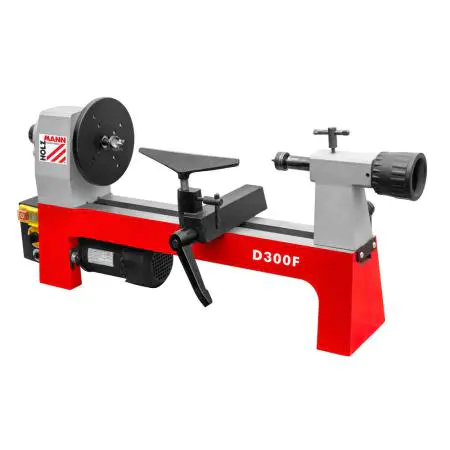
A wood lathe is a machine used for turning, shaping, smoothing, and finishing wooden workpieces. It is used to produce cylindrical and profiled elements, handles, furniture legs, bowls, decorative components, chess pieces, banister details, and various items for workshops, repairs, restoration, and hobby projects. A properly selected wood lathe provides control over the shape, diameter, and surface of the workpiece, and the machine's stable operation is directly linked to precision and ease of use during processing.
Toolsbox.bg offers a selection of woodworking machines in various sizes, power ratings, and capabilities. They meet the needs of craftsmen, woodworking studios, educational workshops, and advanced home users. When choosing a wood lathe, it is wise to consider the type of workpieces being processed, the installation location, the frequency of use, and the accessories that will be used during turning.
What is a wood lathe used for?
A wood lathe works by rotating the workpiece around its own axis while the cutting tool shapes the desired profile. This produces uniform round shapes, smooth transitions, grooves, curves, and decorative contours. The machine is used in furniture manufacturing, artistic woodworking, restoration, and the production of custom-sized parts.
Smaller tabletop models are convenient for small items, souvenirs, handles, pen blanks, and fine decorative items. The more robust machines provide greater stability for longer and heavier parts, such as table legs, columns, balusters, and furniture components. For professional use, smooth operation, secure tool support, precise speed adjustment, and a sturdy base that minimizes vibrations are essential.
Types of models and differences between them
Every wood lathe differs in power, center distance, maximum machining diameter, speed range, and adjustment method. These parameters determine how large the workpieces can be and how easily the process can be controlled. Small parts require precise control, while stability, torque, and a secure grip are key for large workpieces.
- Bench-top models-compact machines for small workshops, educational purposes, and fine woodworking.
- Bench-mounted models-a more stable solution for longer workpieces and extended use.
- Machines with mechanical speed change - practical for standard operations and regular work with workpieces of similar sizes.
- Machines with stepless speed control-convenient for various materials, diameters, and processing stages.
- More powerful models-for harder wood, larger cross-sections, and workshop use.
How to choose a wood lathe based on the task
The selection process starts with the actual dimensions of the workpieces. The distance between the centers indicates the maximum length of the workpiece, while the height above the bed determines the maximum diameter. For bowls and wide decorative shapes, a larger diameter capacity is needed, whereas for handles, spindles, and furniture components, length is the primary consideration.
The motor power affects the machine's ability to maintain stable RPM under load and when machining harder woods. Compact solutions are sufficient for light hobby use, while for service or professional use, it is advisable to look for a higher power reserve and a heavier build. The machine's weight also matters: a more solid base reduces vibrations and improves the sense of control.
Speed control is essential for various operations. Lower speeds are preferred for rough shaping, large, or unbalanced workpieces. Higher speeds are useful for fine finishing and finishing operations. A wood lathe with convenient adjustment saves time when switching tasks and makes it easier to work with different diameters.
Material, clamping, and stability
Wood varies in density, structure, and cutting behavior. Softwoods are easier to work with, while hardwoods require sharp tools, a stable machine, and careful feed. The workpiece must be securely clamped, with properly selected centers, a chuck, or a faceplate depending on the shape of the workpiece.
The support for the hand tool must be easily adjustable and remain stable close to the workpiece. This improves control over the cutter and reduces unwanted vibrations. When working with longer workpieces, the tailstock must be precisely secured to maintain straight rotation and a uniform profile along the entire length.
Tools, Accessories, and Consumables
A wood lathe works best with properly selected chisels, cutters, chucks, centers, sanding materials, and finishing tools. The shape of the cutting tool determines whether roughing, radius shaping, grooving, or fine finishing will be performed. Sharp chisels make the work easier and leave a cleaner surface.
When selecting accessories, you must consider the spindle thread, the chuck size, the center type, and the permissible diameters. Compatibility between the machine and the accessories is crucial for secure clamping and precise machining. For finishing, use sandpaper of various grits, oils, waxes, or varnishes depending on the desired appearance and the intended use of the finished part.
Safety and Maintenance
Working with a wood lathe requires a securely mounted machine, a properly balanced workpiece, and safety goggles or a face shield. Loose clothing, gloves with loose parts, and dangling accessories are not recommended near rotating parts. Before starting, the workpiece must be rotated by hand to check for free movement relative to the support and bed.
Regular maintenance includes cleaning away chips and dust, checking fasteners, lubricating according to the manufacturer's instructions, and keeping cutting tools sharp. A clean work area and proper storage of accessories extend the life of the equipment and make each subsequent setup faster.
Wood Lathe from Toolsbox.bg
Browse the wood lathe offerings at Toolsbox.bg and select a machine based on the size of your workpieces, the required power, the available space in your workshop, and your planned frequency of use. A well-considered choice makes turning easier, improves control over the workpiece, and helps achieve a clean, even surface for both professional and home projects.