
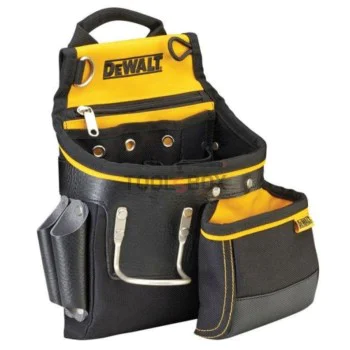
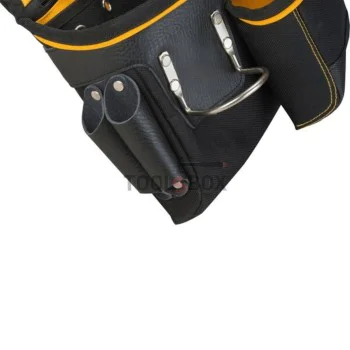
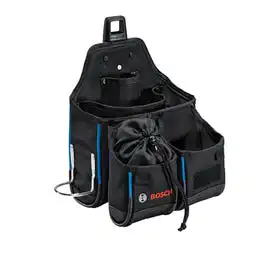
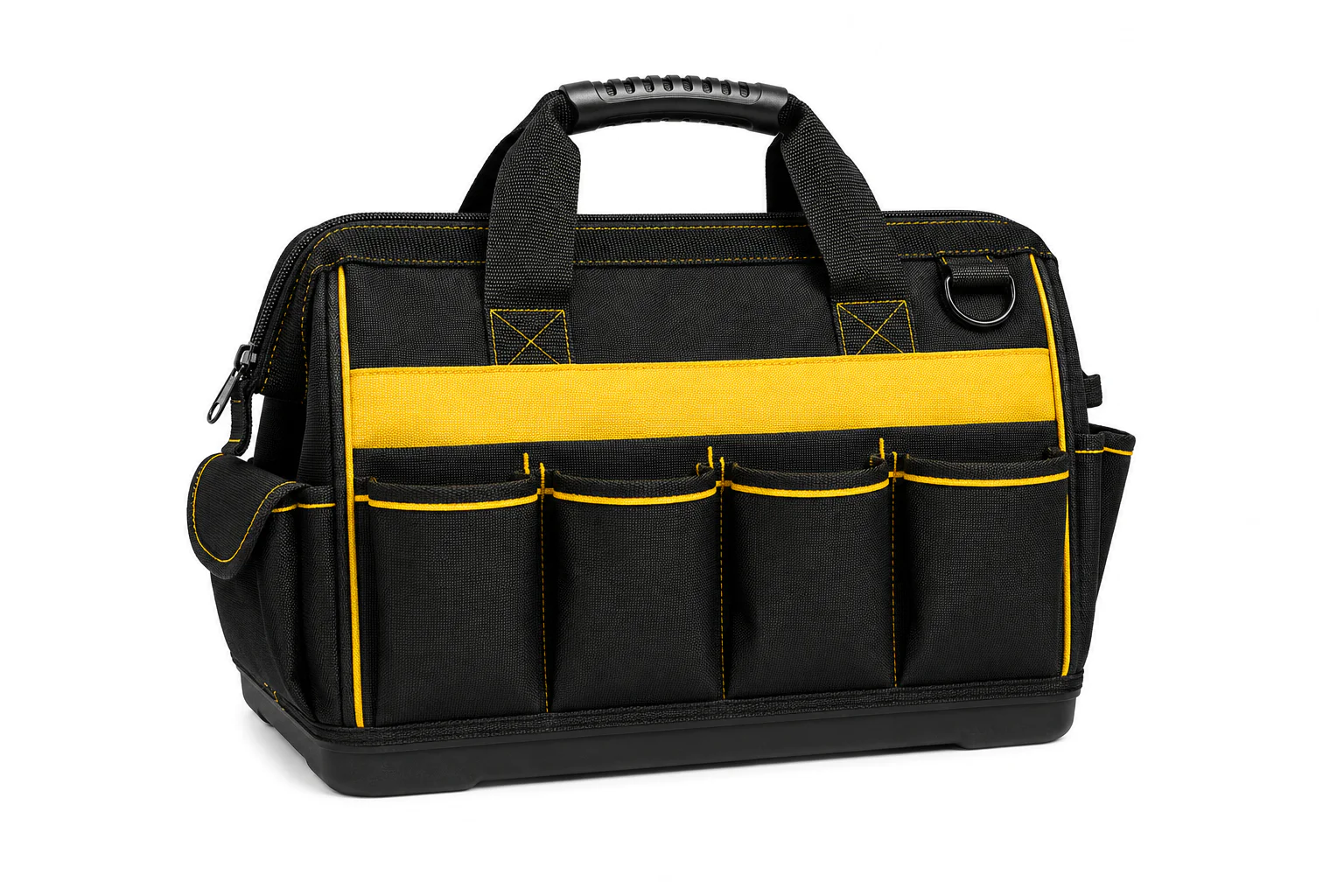
Tool pouch
Tool Bag for Organized and Mobile Work
A tool bag is a practical choice for craftsmen, installers, service technicians, and discerning DIYers who carry hand tools, accessories, and small supplies with them. The compact design makes it easy to move between sites, work at heights, perform home repairs, maintain a car, or service equipment. Instead of carrying an entire toolbox or a large bag, this small tool bag keeps the most essential screwdrivers, pliers, wrenches, utility knife, tape measure, bits, drill bits, fasteners, and measuring tools right at your fingertips.
A well-organized tool pouch saves time when searching for small parts and reduces the risk of losing accessories. It is especially valuable for quick installation visits, electrical work, plumbing repairs, furniture assembly, service work, or final finishing touches. Its compact size doesn't hinder movement, and the compartments keep tools organized and easy to access.
What do the models in this category include?
A tool bag can feature open access, a zipper, a lid, a waist belt, a handle, or a shoulder strap. Some models are designed to carry a limited set of tools, while others feature more external and internal pockets for detailed organization. Some versions feature a reinforced bottom, metal rivets, durable fabric, tape measure holders, carabiner loops, and compartments for small fasteners.
The differences between the various options are primarily related to capacity, carrying style, the number of pockets, and the durability of the material. For daily professional use, sturdier fabrics, sturdy seams, and well-reinforced high-stress areas are preferred. For home use, a more compact organizer that holds a basic set of hand tools for repair and maintenance is often sufficient.
Applications in installation, repair, and maintenance
For installation work, a tool pouch helps carry tools that are frequently switched out during the job. Electricians can organize a phase tester, pliers, cutters, electrical tape, and sockets. For plumbing work, compartments for wrenches, gaskets, fittings, and small supplies are useful. For servicing machines and power tools, the compact tool bag holds hex keys, bits, small screwdrivers, tweezers, and measuring tools.
For work in the garden or around the house, it can be used to hold scissors, gloves, ties, small fasteners, and light maintenance supplies. For automotive tasks, it provides space for a flashlight, ratchet, sockets, cable ties, and auxiliary accessories. This way, the necessary accessories stay in one set and can be carried without unnecessary weight.
How to Choose the Right Tool Bag
When choosing, consider the actual set of tools you'll be carrying. Smaller models are suitable for quick repairs and visits with limited equipment. Medium-sized options provide more space for hand tools and supplies without becoming bulky. A tool bag with multiple compartments is useful for working with small parts, as it separates fasteners, bits, drill bits, and measuring tools.
- Size and capacity: choose a size that fits the tools you actually need without being overpacked.
- Material: Durable fabric, reinforced seams, and a sturdy bottom are helpful when working on a construction site, in a workshop, or at a service center.
- Organization: More pockets are useful for small accessories, and a larger main compartment is convenient for pliers, wrenches, and screwdrivers.
- Carrying options: a handle, shoulder strap, or belt attachment can be chosen based on the work environment and the need for free hands.
- Closure: a zipper, flap, or open design affects access and protection of the contents.
Materials, construction, and wear
A tool pouch is loaded daily with metal objects, sharp edges, and varying weights. That's why dense fabric, sturdy edges, reinforced areas around the handles, and a durable bottom are essential. For models with a zipper, the mechanism should glide smoothly and not strain when the pouch is full. For belt-mounted options, sturdy loops and secure fastenings are important, as the tools remain on the body while moving.
For work on sites with dust, plaster, or metal shavings, a material that can be easily cleaned with a brush or damp cloth is useful. In workshops and service centers, compartments for small parts reduce the mixing of supplies, and during on-site installation, the compact shape makes it easier to move between the ladder, vehicle, and work area.
Comparison of main variants
| Option | Practical application | Advantage during use |
|---|---|---|
| Zippered tool pouch | Transport in a car, service work, home repairs | Better protection of contents while on the move |
| Belt model | Installation, electrical work, working on a ladder | Hands-free and quick access to frequently used tools |
| Open pouch | Working in one place, quick tasks, maintenance | Instant access and visibility to contents |
| Model with multiple pockets | Fasteners, bits, drill bits, small accessories | Better organization of small items |
Maintenance and safe use
To extend the bag's lifespan, distribute the weight evenly and avoid overloading individual pockets with excessively heavy metal tools. It is advisable to place sharp accessories in compartments where they won't cut through the fabric or damage other items. After working with dust, oil, or construction mixtures, clean the surface promptly to prevent dirt from accumulating in the seams and zippers.
When carrying tools near electrical installations, cutting elements, or fasteners with sharp points, organization is critical to safety. A well-organized tool bag minimizes chaotic rummaging and helps ensure the right tool is retrieved without injury or scattering of small parts.
Choose a compact organization for your tools
A tool pouch is a small but very useful piece of work equipment. It complements boxes, large bags, and toolboxes when the task requires mobility, quick access, and a well-organized set of hand tools. Browse the selection at Toolsbox.bg and choose a model based on size, material, number of compartments, and carrying style, so your kit is ready for repairs, installation, servicing, or daily maintenance.