
Foot pump
Foot Pump for Car Tires, Bicycles, and Sports Equipment
A foot pump is a practical tool for inflating without an electrical power source, useful in the car, garage, workshop, camping gear, and home toolbox. It works by pressing down on a pedal, and air is delivered through a hose to the tire valve or the selected nozzle. These types of pumps are valued for maintaining car tires, bicycle tires, strollers, balls, inflatable toys, air mattresses, and other items with air chambers. Their compact size makes them easy to store in a trunk, tool cabinet, or service cart.
When choosing a foot pump, key factors include operating pressure, cylinder type, the presence of a pressure gauge, hose length, pedal durability, and compatibility with various valves. For occasional home use, a lightweight model with a basic set of nozzles is often sufficient. For more intensive work in a service station, fleet, warehouse, or workshop, it makes sense to look for a more robust pump with a metal body, a stable base, and a clear pressure gauge.
What is a foot pump and where is it used
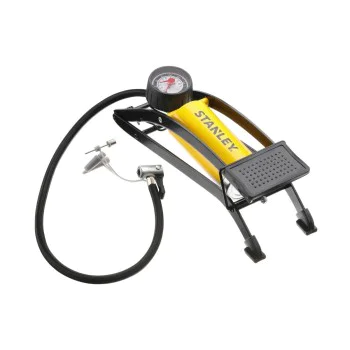
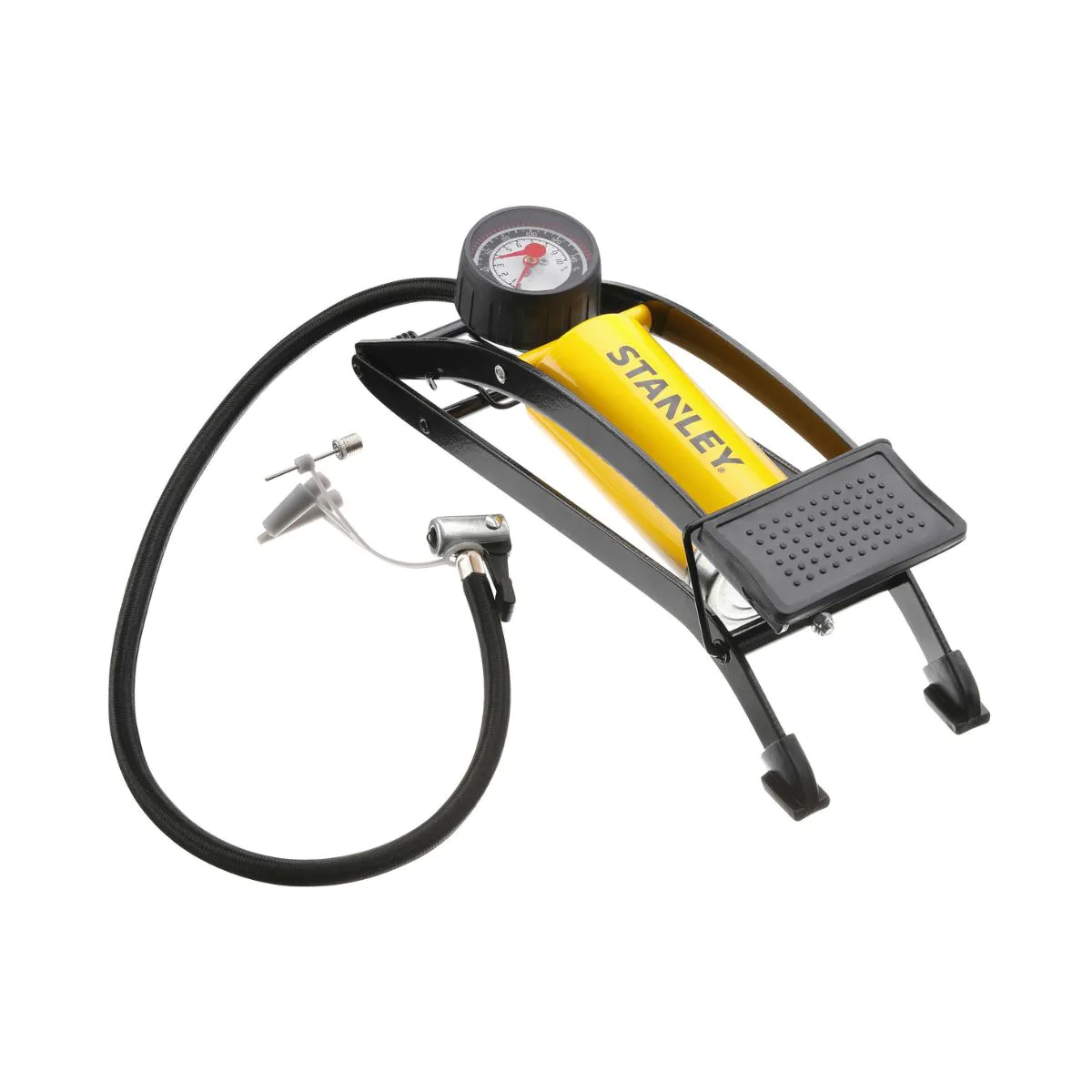
A foot pump is a mechanical pump with a pedal, cylinder, piston, hose, and valve nozzle. Pressing the pedal moves the piston, which forces air into the tire or inflatable accessory. The lack of cables, batteries, and a compressor makes this tool convenient for use on the road, in a garage without an outlet, or when working far from a power source.
The most common use is adjusting tire pressure. Car tires require regular monitoring, as improper pressure affects stability, wear, and fuel consumption. A foot pump allows for a quick response to low pressure before visiting a gas station or service station. For bicycles and scooters, it is convenient for seasonal preparation, maintenance after storage, and inflating before a trip.
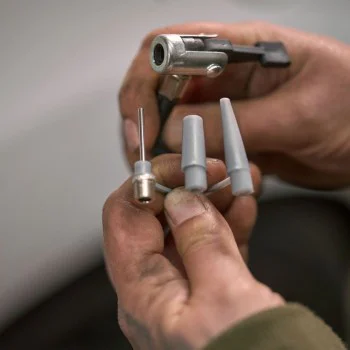
Models with additional nozzles also find a place among sports accessories. Ball valves, cone-shaped adapters, and converters expand the range of applications. Thus, a single pump serves various tasks around the home, in the car, and during leisure time.
Types of Foot Pumps
Foot pumps differ in design, capacity, and ease of use. The choice depends on the load, frequency of use, and the type of items to be inflated.
| Type | Features | Application |
|---|---|---|
| Single-cylinder foot pump | Lightweight construction, compact size, lower weight | Home maintenance, bicycles, balls, occasional use on car tires |
| Two-cylinder foot pump | Higher air volume per stroke, faster inflation | Cars, vans, trailers, more frequent use |
| Foot pump with pressure gauge | Pressure monitoring during operation | Tires where pressure accuracy matters |
| Compact foot pump | Foldable or compact design, easy to carry | Trunk, camping, emergency kit, bicycle gear |
Practical selection criteria
Working pressure and capacity
The working pressure indicates the maximum pressure the pump is designed for. For car tires, you need a model that meets the pressure specified by the car manufacturer. For bicycles with higher pressure, a pressure gauge with a clear scale is useful, while for balls and inflatable accessories, the set of nozzles is more important.
Pressure Gauge and Reading Accuracy
A pressure gauge makes it easier to monitor inflation and reduces the risk of overinflation. A scale in bar and PSI is practical when working with different tires, as different manufacturers specify values in different ways. A larger dial is easier to read, especially in a garage, in low light, or on the road.
Hose, Nozzles, and Compatibility
The length and flexibility of the hose affect convenience. A longer hose reduces strain on the valve and allows for use when the tire is in an awkward position. The nozzle must grip the valve securely without air leakage. For bicycles, compatibility with Schrader car valves and bicycle valves via an adapter is useful. For sports equipment, a needle and a cone-shaped adapter are required.
Material, Pedal, and Stability
Metal bodies and reinforced pedals are preferred for frequent use because they can withstand heavier loads. Rubber feet and a wide base help the pump stand stably on concrete, asphalt, or a workshop floor. Compact models are lighter, but the stability of the base remains important when inflating larger tires.
Foot pump for cars, garages, and service stations
In a car kit, the foot pump complements the jack, tire iron, pressure gauge, emergency supplies, and other automotive tools. It is useful for seasonal tire changes, checks after prolonged storage, pre-trip preparation, and minor pressure adjustments. In a service setting, it can serve as a backup when it's inconvenient to use a compressor or when working on small inflatable items.
For professional use, models with more robust mechanics, a stable pedal, clear readings, and a hose with a secure grip are preferred. For home use, the key factors are convenient storage, easy portability, and the availability of the most commonly used adapters. When working with various vehicles, it makes sense to choose a pump that meets the needs of a car, bicycle, and other everyday items.
Safe Operation and Maintenance
Before inflating, the valve must be clean, and the nozzle must be securely attached. Place the pump on a flat surface and press the pedal smoothly, without twisting it sideways. Monitor the pressure using the pressure gauge or a separate device if the pump does not have a built-in one. Over-inflation can damage the tire, inner tube, or inflatable accessory, so the values on the tire or the manufacturer's instructions should be used as a guide.
After use, the hose should be stored without kinking, and the nozzles should be kept in a dry place. Dust, sand, and moisture around the piston mechanism accelerate wear, so the pump must be kept clean. If you feel a drop in pressure while pumping, check the valve seal, the hose, and the connection to the cylinder.
Selection from Toolsbox.bg
At Toolsbox.bg, you'll find foot pumps for various tasks around your car, bike, garage, and home. Compare models by pressure, design, pressure gauge, size, nozzles, and storage convenience. This way, you'll choose a pump that suits your workflow and will always be on hand when you need to inflate something quickly.