
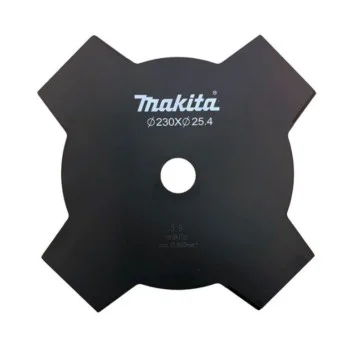
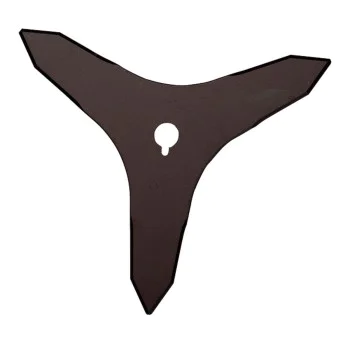
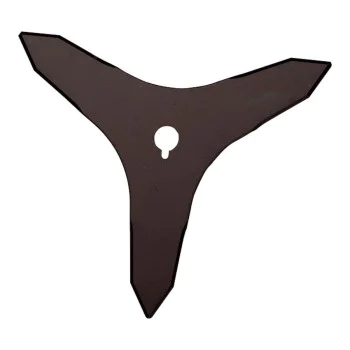
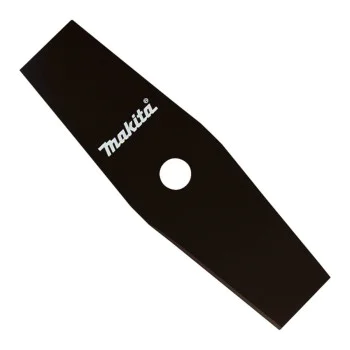
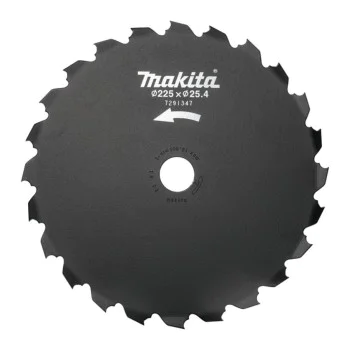
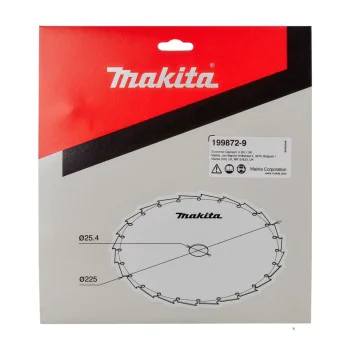
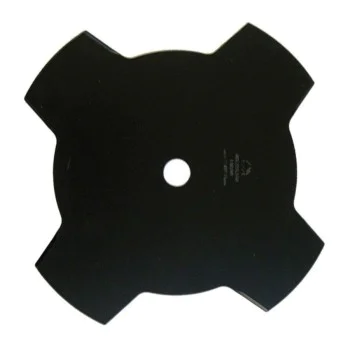
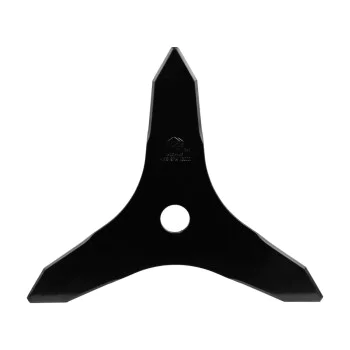
Disc for trimmer
Trimmer blade for more demanding mowing and clearing tasks
A trimmer blade is a cutting attachment for gas-powered and cordless trimmers, designed for use where the string is not sufficient-thick grass, dry stalks, weeds, shrubs, young shoots, and overgrown areas. The metal blade transforms the trimmer or brush cutter into a more powerful tool for maintaining yards, gardens, orchards, roadside areas, and vacation properties. A properly selected blade ensures a clean cut, reduces strain on the machine, and provides better control during operation.
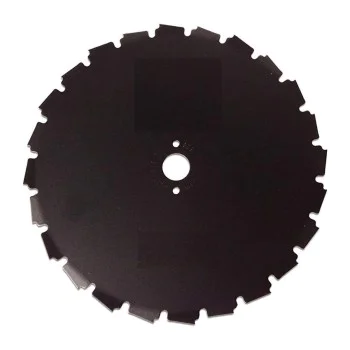
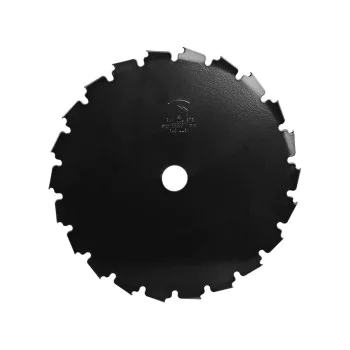
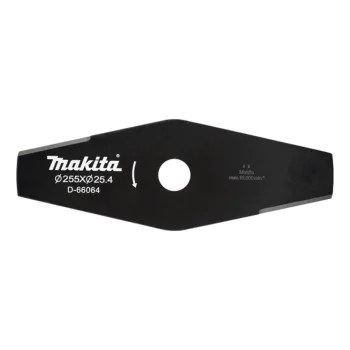
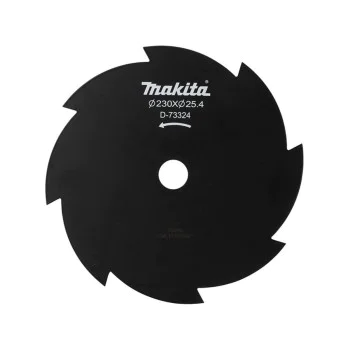
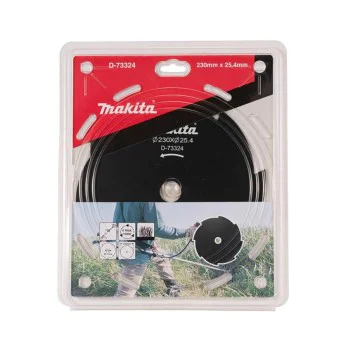
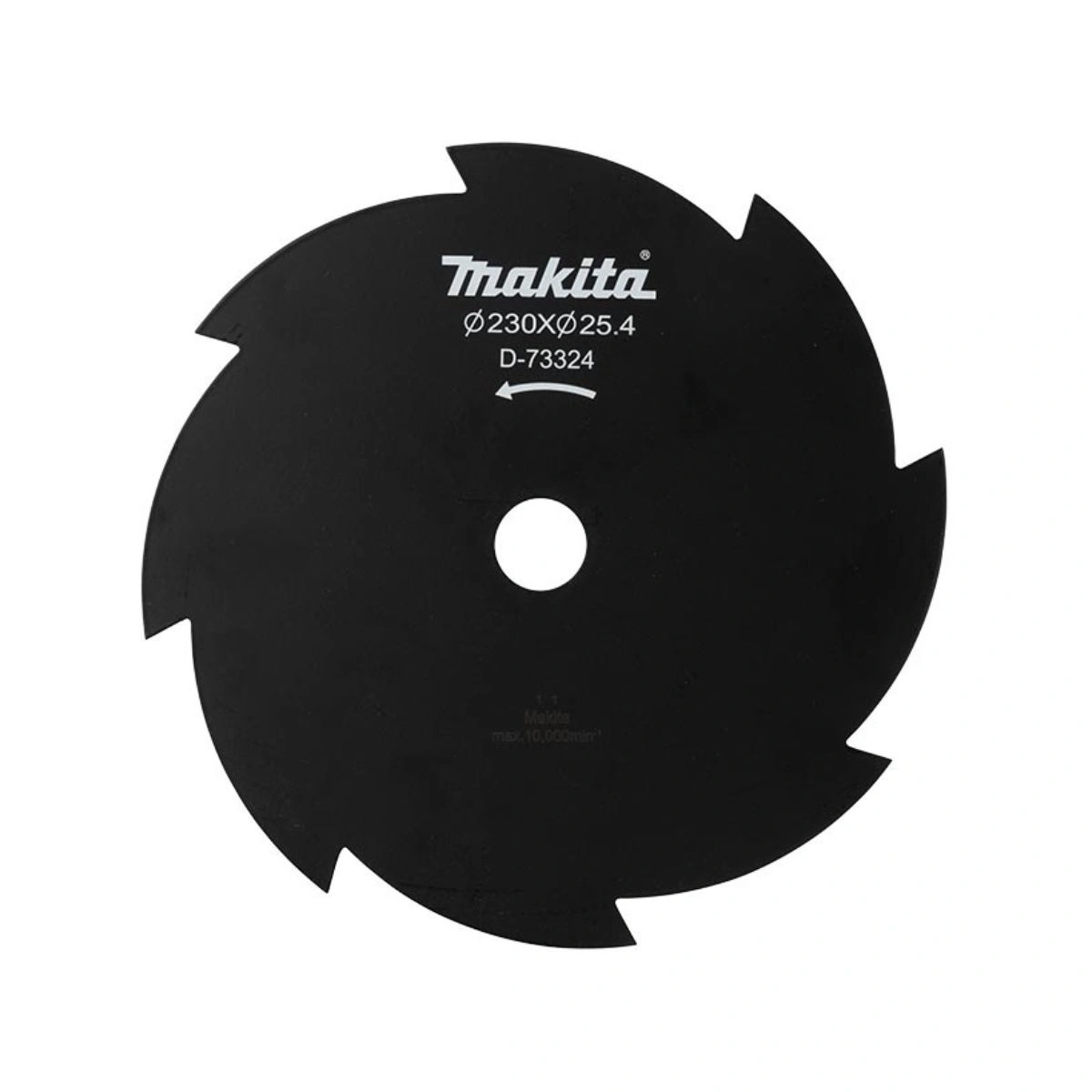
The range of trimmer blades includes various shapes and designs-from blades with a few teeth for grass and weeds to multi-tooth blades for tougher vegetation. The differences between the individual models lie in the diameter, number, and geometry of the teeth, the thickness of the metal, the type of sharpening, and the central mounting hole. These parameters determine the cutting speed, smoothness of operation, and compatibility with the specific machine.
What type of work should a trimmer blade be selected for
A metal blade is suitable for heavier mowing when the vegetation is tall, matted, or tough. It performs better than a cord blade on dry grass, thistles, young saplings, and dense weeds. When maintaining farmyards, vineyards, orchards, and areas around fences, the blade provides a more stable cut and less material scatter.
For precise trimming around flower beds, decorative borders, and sensitive surfaces, the cord is often the gentler option. In open areas, dense vegetation, and when clearing overgrown areas, the metal blade offers higher productivity and better durability when cutting through larger-diameter stems. It is always necessary to use a safety guard on the machine and a stable stand, as the blade behaves differently from standard string.
Types of trimmer blades and their applications
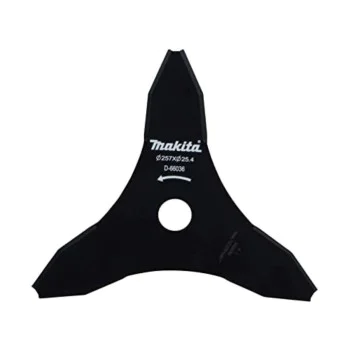
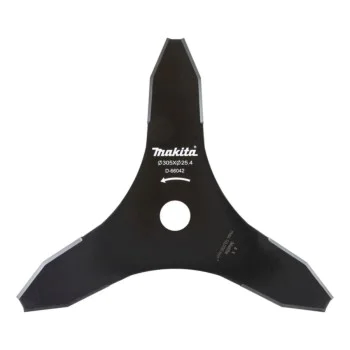
Different blades are designed for different workloads and types of vegetation. Blades with fewer teeth cut aggressively and are practical for tall grass and weeds. Multi-tooth variants provide a finer cut and are preferred for tougher stems and young shrubs. Blades with carbide-tipped plates are sought after for more durable work, but require careful handling and the correct RPM.
| Blade Type | Suitable vegetation | Practical feature |
|---|---|---|
| 2- or 3-tooth blade | Tall grass, soft weeds, grassy areas | Fast cutting and easy machine handling |
| 4- or 8-tooth disc | Denser weeds, dry stems, mixed vegetation | Good control on uneven terrain |
| Multi-tooth disc | Tough stems, young shoots, shrubby vegetation | Finer cut and stable operation on harder material |
| Disc with carbide-tipped teeth | More thorough clearing of coarse vegetation | Requires strict compatibility with the machine and careful guidance |
Criteria for choosing a trimmer blade
Before purchasing, several technical parameters must be considered. First, check the center hole, as it must fit the shaft and the pressure washers of the trimmer. Many brush cutters have holes around 25.4 mm, but always check the machine's manual or the markings on the old cutting element.
The blade diameter affects the cutting range and the load on the engine. A larger diameter covers more area but requires sufficient power and the correct safety guard. A smaller blade is easier to maneuver in tight spaces, around trees, fences, and uneven terrain. With higher-powered gasoline brush cutters, the choice is more flexible, while with lighter electric or battery-powered machines, a more careful selection is required.
The number of teeth is chosen based on the vegetation. For grassy areas and softer weeds, blades with fewer teeth are practical. For dry stems, shoots, and rougher areas, multi-tooth discs provide better results. Thickness and material affect load-bearing capacity, and proper sharpening maintains a smooth cut and reduces vibrations.
Compatibility with the machine
The trimmer blade must match the power, RPM, and design of the specific mower. Not every machine is designed for a metal blade. Lightweight trimmers with a curved shaft often work only with string, while brush cutters with a straight shaft and a sturdy gearbox can accommodate metal cutting elements. Check the manufacturer's instructions, the direction of rotation, the permissible diameter, and the availability of a suitable safety guard.
When replacing the blade, it is advisable to compare the old blade and the new model in terms of bore, diameter, and mounting method. The installation must be secure, with no play and no angular misalignment. An improperly installed blade leads to vibrations, uneven cutting, and faster wear of the gearbox.
Safety, Operation, and Maintenance
Working with a metal blade requires safety goggles or a helmet, gloves, sturdy shoes, and long clothing. The work area should be checked for rocks, wire, metal debris, and hard objects, as hitting them can damage the blade or eject particles. When cutting thicker stems, hold the machine steady with both hands and apply pressure gradually.
After use, clean the blade of plant sap, dirt, and debris. A dull blade strains the motor and leaves a ragged cut, so periodic sharpening is part of routine maintenance. If there are cracks, deformations, missing teeth, or severe wear, the cutting element must be replaced. Storing it in a dry place protects the metal from corrosion and extends its service life.
Trimmer blade for home and professional use
For yard maintenance and seasonal mowing, a simple metal blade with several teeth covers most tasks. For regular work in gardens, agricultural properties, municipal maintenance, or clearing dense terrain, it is advisable to look for a more durable blade with suitable geometry and good compatibility with the machine. This allows the operator to work more comfortably, and the trimmer maintains stable performance under load.
Browse the options at Toolsbox.bg and select a trimmer blade based on the type of vegetation, diameter, center hole, and power of the machine. The right cutting element makes mowing easier, saves time, and delivers better results when maintaining difficult terrain.