
Abricht striichmus
Planer-moulder for precision woodworking
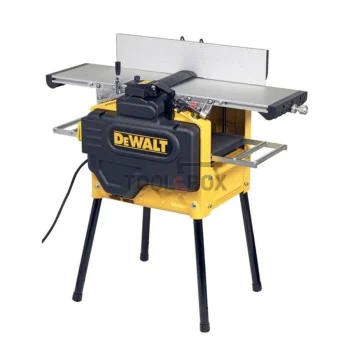
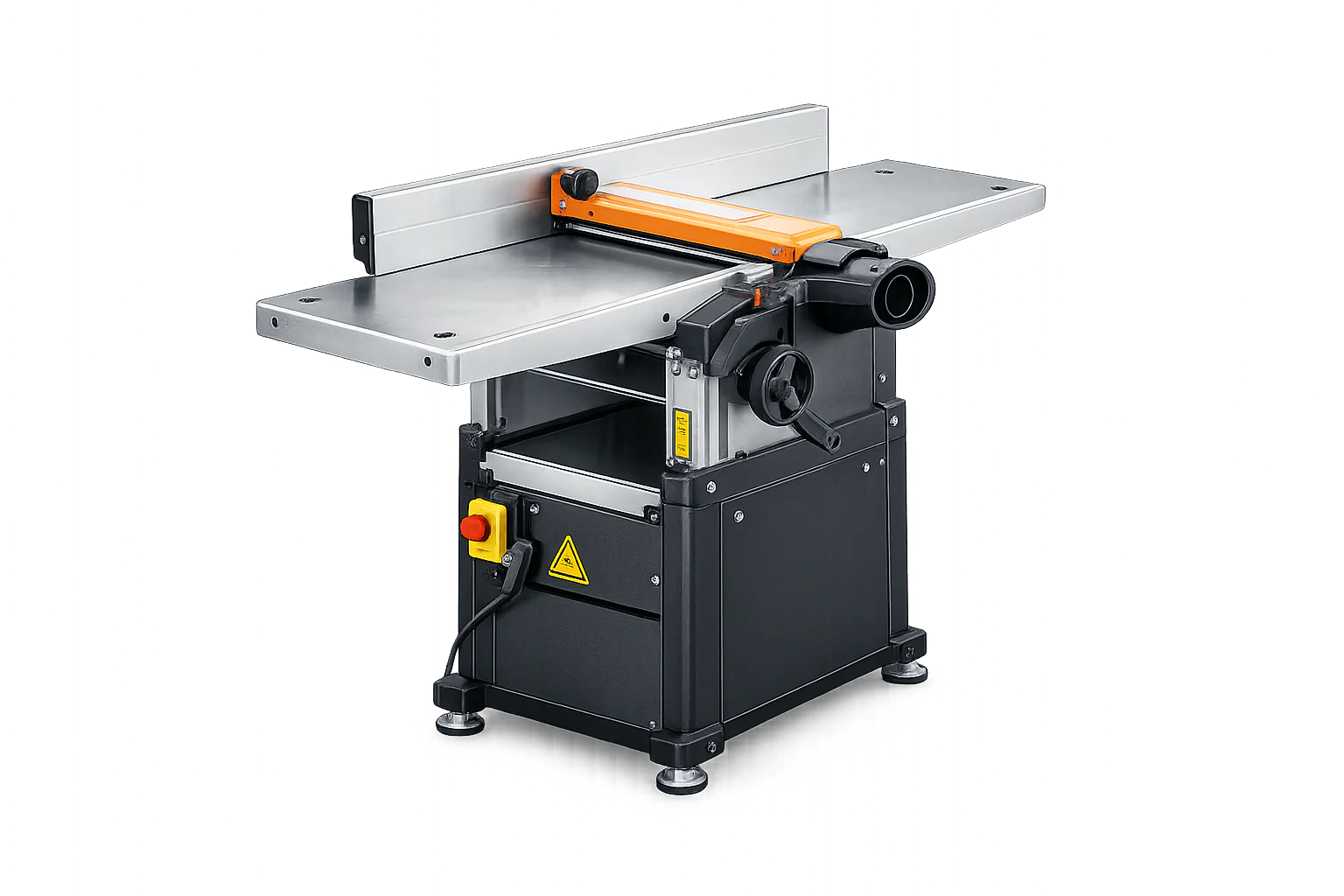
Planer-thickers combine two operations into one compact woodworking machine-straightening the face and edges by planing, followed by thickness calibration by thicknessing. They are valuable for preparing solid wood, planks, battens, beams, and furniture components where flatness, right angles, and precise thickness directly affect the joints and the final appearance of the product.
Among woodworking machines, the planer-thicknesser holds a special place because it saves space in the workshop and reduces the need for two separate machines. This makes it a practical choice for furniture makers, carpenters, installation teams, repair shops, and discerning DIYers who work with natural wood and insist on precise part geometry.
Operations with a planer and jointer
The combined machine performs sequential steps in wood preparation. The planer creates a flat base surface, while the thicknesser brings the workpiece to a specified thickness. This makes the material more predictable for cutting, gluing, routing, assembly, and subsequent sanding.
- Planing: leveling the face or edge of a board, strip, or beam. The guide helps form a right angle between two adjacent sides.
- Planing: planing to a uniform thickness along the entire length of the workpiece. Feeding through the machine maintains constant pressure and a uniform cut.
- Preparation for assembly: achieving precise surfaces for frames, countertops, doors, steps, paneling, and other woodworking elements.
- Correction of raw material: removal of warping, slight curves, whipping marks, and unevenness in the wood.
Applications in workshops, construction, and renovation
Planer-jointer machines work with various types of wood-soft, hard, dry, or pre-cut. They are useful for making furniture, interior elements, wooden structures, decorative paneling, moldings, frames, and restoration details. During renovation work, the machine helps adjust to non-standard dimensions, and in a small workshop, it allows for material processing without relying on an external planing service.
For professional use, models with a larger working width, stable tables, a powerful motor, and precise height adjustment are preferred. For home use and occasional tasks, more compact machines are often preferred, as they are easy to position and do not take up much space. When working with long workpieces, the length of the tables, stable support, and the option to add roller stands are important.
How to Choose a Planer
The selection process begins with the actual size of the workpieces, the type of wood, and the workload during the workday. A machine with insufficient width limits the processing of larger panels and beams, while a weak drive makes it difficult to plane hard material or make deeper cuts. Therefore, the parameters are considered together, not separately.
- Working width: determines the maximum width of the workpiece during planing and edge planing. A wider table provides more freedom when working with furniture components and countertops.
- Maximum height for planing: important for beams, thick boards, and structural components. It indicates what kind of material passes through the machine.
- Power and power supply: electrical specifications must match the workshop's existing electrical setup. More powerful machines maintain a more stable feed rate when working with hardwood.
- Planing shaft and blades: The number and size of the blades affect the cleanliness of the cut, working speed, and maintenance. Check the compatibility of replacement blades before purchasing.
- Thickness adjustment: A clear scale, smooth operation, and a stable lock facilitate consistent dimensions when working on a series of parts.
- Parallel guide: A rigid guide with precise adjustment is essential for straight edges and accurate angles on frames, doors, and joints.
- Chip removal: The connection to a dust extraction system keeps the work area cleaner, reduces clogging around the spindle, and maintains visibility of the workpiece.
| Working profile | Desired features | Practical choice |
|---|---|---|
| Home use and small workshop | Compact size, easy setup, standard power supply | Combined machine for periodic planing of slats, boards, and small furniture parts |
| Furniture workshop | Larger working width, stable tables, precise guide | Model for regular preparation of countertops, frames, doors, and components with recurring dimensions |
| Professional woodworking | Powerful motor, sturdy base, efficient chip removal | Machine for more intensive processing of solid wood and longer workpieces |
Compatibility, safety, and maintenance
When purchasing a planer, it is advisable to check the blade dimensions, the diameter of the dust extraction nozzle, the required power supply, and the installation dimensions. The space around the machine must allow for the free feeding and exit of the material without coming into contact with walls, racks, or other machines.
Safe operation requires a shaft guard, a securely fixed guide, proper adjustment of the cutting depth, and auxiliary push sticks for narrow or short workpieces. The wood should be inspected for nails, screws, small stones, and other hard inclusions that could damage the blades. Safety goggles, ear protection, and chip extraction are useful for cleaner and more comfortable work.
Machine maintenance includes cleaning the tables of resin and dust, checking blade sharpness, and inspecting belts, fasteners, and adjustment mechanisms. Dull or improperly mounted blades leave waves, tears, and marks on the material. Smooth and clean tables facilitate feeding and reduce the risk of the workpiece getting stuck.
Choosing a planer from Toolsbox.bg
Toolsbox.bg offers a selection of planers for workshops, installation teams, and demanding home use. Compare specifications, compatible accessories, and actual installation dimensions, then choose a machine that prepares workpieces precisely and maintains a consistent work pace.