

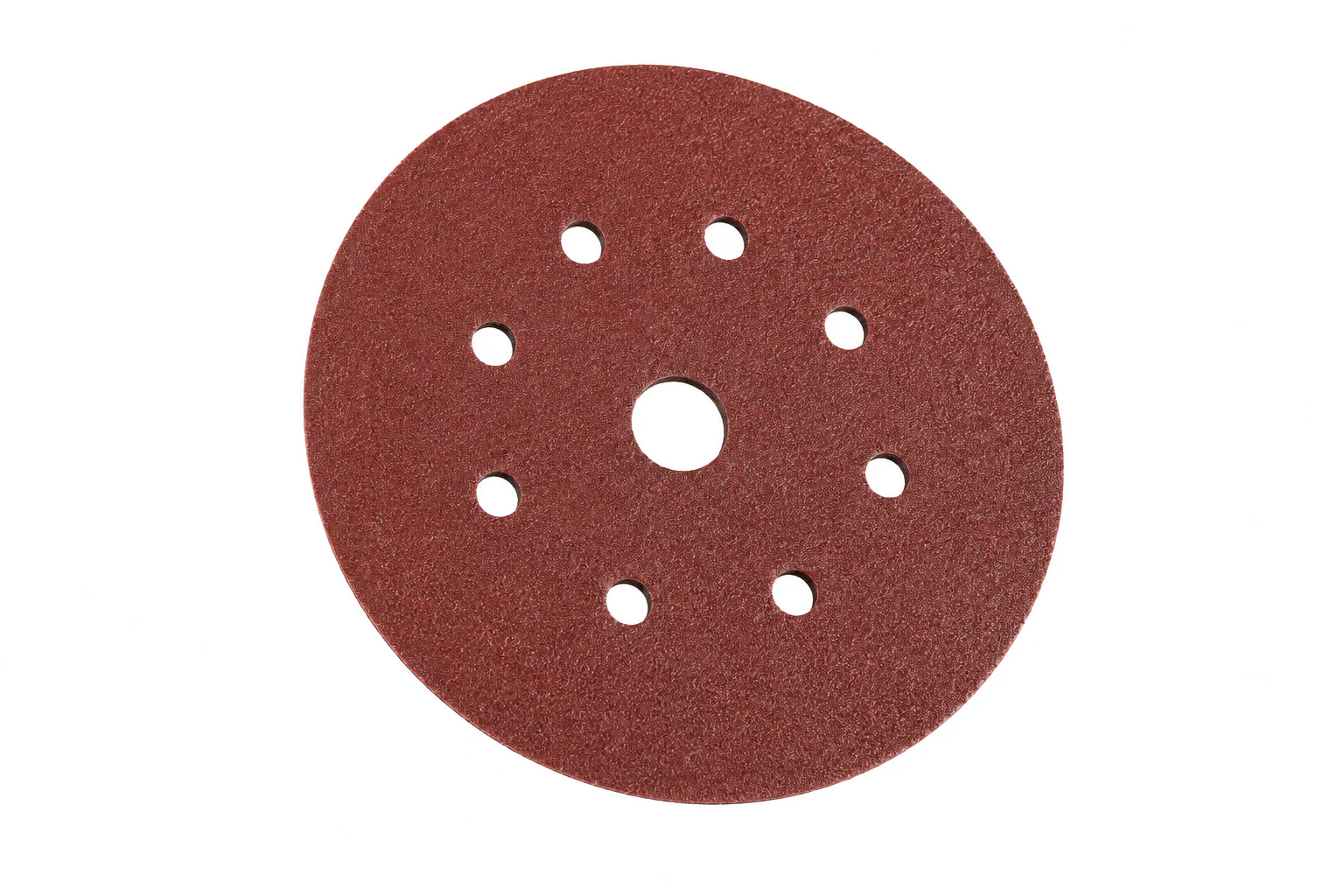
Sandpaper for giraffe
Giraffe sanding pad for clean and even sanding of walls and ceilings
Giraffe sanding pads are the consumables that determine the speed, finish, and control when working with a long-arm sander on drywall, joint compound, plaster, and other construction surfaces. The right abrasive reduces scratch marks, makes it easier to level large areas, and helps with better dust extraction when connected to a vacuum cleaner. Toolsbox.bg offers options for rough material removal, intermediate smoothing, and final finishing before painting, priming, or applying coatings.
These types of sanding discs are primarily used with machines known as "giraffes"-sanding machines with an extended handle and a round working head. They are valued for home repairs, finishing construction work, drywall installation, commercial facility maintenance, and work on high walls or ceilings. The shape, mounting, and dust ports must match the machine's work surface, as this ensures secure adhesion, even wear, and comfort during prolonged use.
What Do Sanding Pads for Long-Handle Sanders Include?
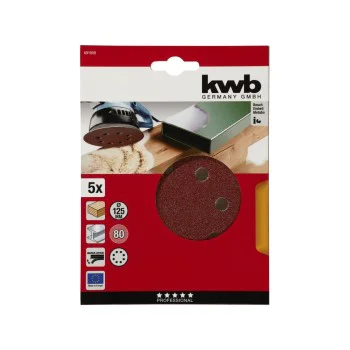
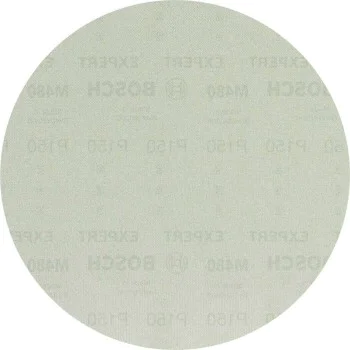
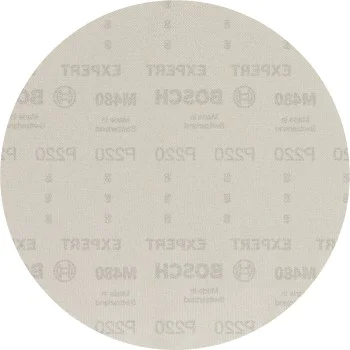
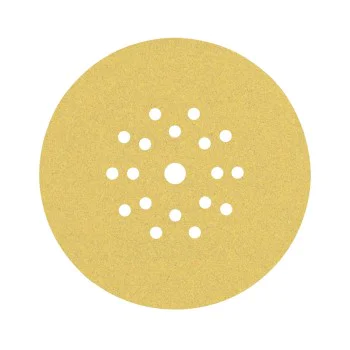
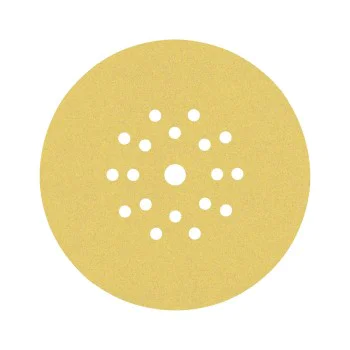
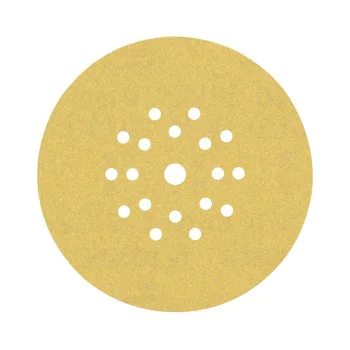
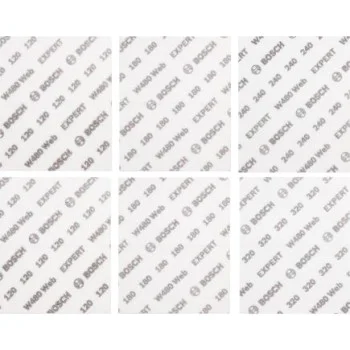
Giraffe sanding pads are typically available as round abrasive discs or mesh pads with Velcro fasteners. Discs are the classic choice for putty and plaster, while abrasive mesh pads allow dust to pass through their entire surface and are practical when used with a dust collection system. Some models feature a specific hole pattern tailored to the machine's base, while others rely on an open mesh structure.
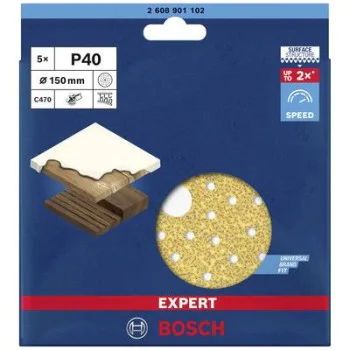
The differences between the various options lie in the diameter, grit size, backing, type of abrasive coating, and method of attachment. The diameter should generally match the size of the sanding head. The grit size determines how aggressively material is removed and how smooth the surface remains. The backing affects flexibility, pressure resistance, and performance on edges, joints, and uneven surfaces.
Applications in repair, construction, and finishing work
Giraffe abrasives are used for processing gypsum putty, drywall joints, cement-lime plaster, finishing compounds, old coatings, and minor irregularities on walls and ceilings. For rough preparation, a coarser grit is preferred, which quickly removes excess material. For final smoothing, switch to a finer sandpaper to achieve an even base for paint or decorative coatings.
For professional craftsmen, the right choice of abrasive saves time when working on large areas and reduces the need for additional touch-ups. For discerning DIYers, it ensures more controlled work when renovating a room, hallway, ceiling, or drywall partition. When sanding with a machine, pressure should be moderate, as excessive pressure wears out the consumable faster and hinders the machine's operation.
Choosing the grit size based on the surface
Grit size is one of the main factors to consider when buying sandpaper for a sander. Lower numbers are coarser and remove more material, while higher numbers provide a finer finish. The choice depends on the condition of the substrate, the type of spackle, and the desired final result.
- P40-P60 - for rough removal of thick irregularities, dried-out areas, and harder surfaces when quick removal is needed.
- P80-P120 - for standard sanding of putty, joints, and transitions between separate areas.
- P150-P180 - for fine smoothing before painting or priming, when the base is already leveled.
- P220 and finer - for delicate finishing with smoother compounds or when a very even surface is required.
When working in stages, it is advisable to start with a coarser grit only where necessary, then move on to a finer one. This minimizes deep scratches and ensures better preparation for the next coat.
Compatibility with the machine and dust extraction
Before purchasing, check the size of the disc against the diameter of the sander's backing pad. A size mismatch reduces contact with the surface or leaves edges that wear out prematurely. The Velcro attachment should fit evenly, without wrinkling or slipping during rotation.
The dust extraction holes are also important. When the holes in the disc align with the channels in the backing pad, dust is more easily drawn into the vacuum cleaner, visibility improves, and the abrasive clogs more slowly. With mesh variants, dust passes through the entire structure, which is convenient for fine spackling and prolonged work in enclosed spaces.
Materials, Wear, and Practical Use
The quality of the abrasive grain, the adhesive layer, and the backing material affects the sandpaper's lifespan. With harder fillers and coarser plasters, the abrasive is subjected to greater stress, so it is advisable to choose options with a durable coating and a stable backing. For fine mixtures, the mesh is often easier to clean by gently shaking it out, while paper discs offer good control on flat surfaces.
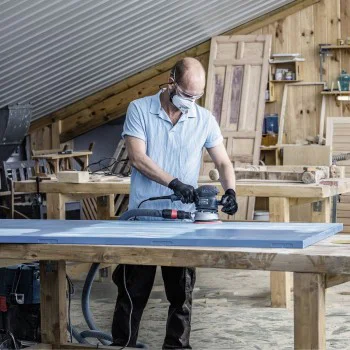
For even wear, move the machine smoothly without lingering in one spot. Working with a dust collection system keeps the surface cleaner and reduces clogging of the abrasive. For personal protection, use a fine dust mask, safety goggles, and hearing protection when the machine and environment require it. After finishing work, store the sanding pads dry and flat, away from moisture and dirt on the Velcro layer.
Order a giraffe sanding disc from Toolsbox.bg
Select a giraffe sanding disc based on the machine's diameter, the required grit, the surface type, and the dust extraction method. Properly selected abrasive discs and belts facilitate sanding, provide a cleaner finish, and help ensure better control during repair and finishing work. Browse the available options at Toolsbox.bg and select the consumables that match your machine and the specific job.