

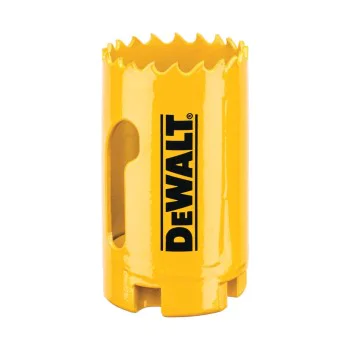
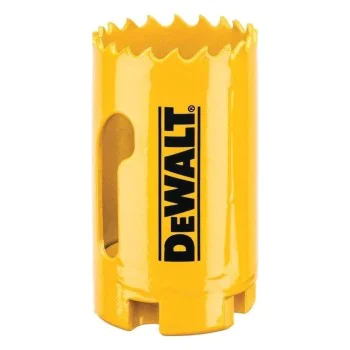
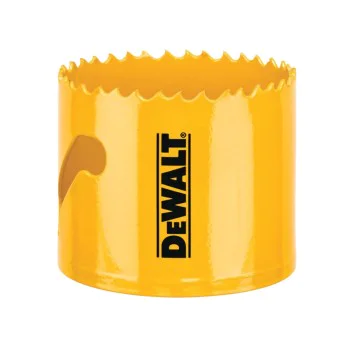
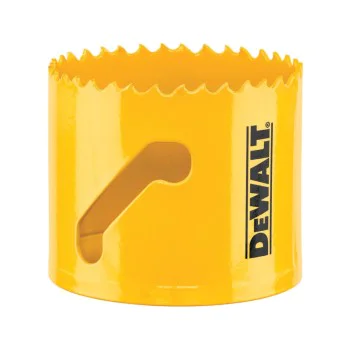

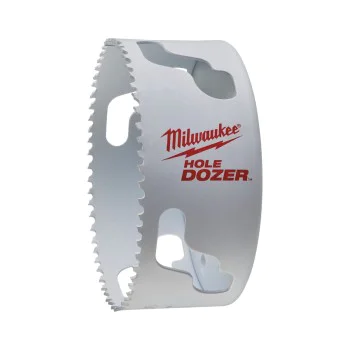
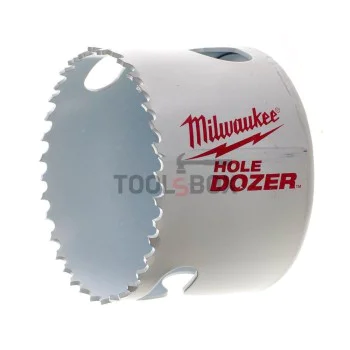
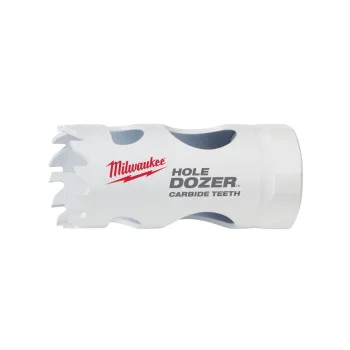
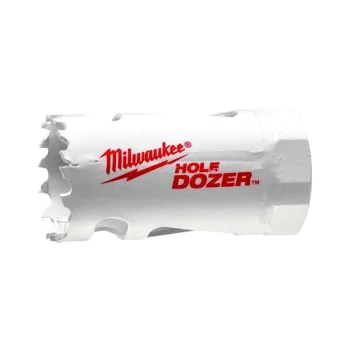
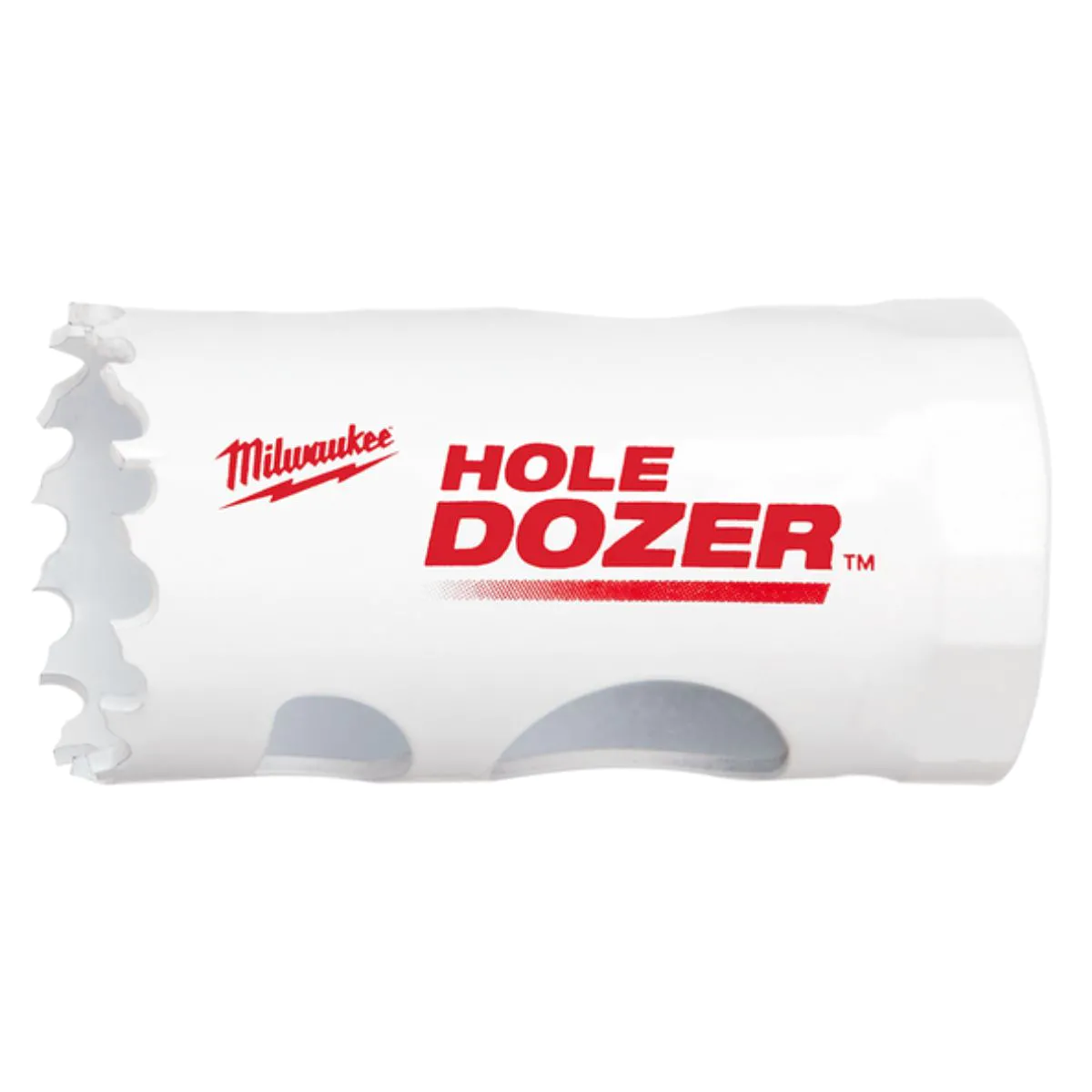
Border crowns for metal
Metal drill bits for precision holes in sheet metal, profiles, and components
Metal hole saws are used for drilling larger-diameter round holes in steel, stainless steel, aluminum, non-ferrous metals, thin-walled profiles, sheet metal, and various metal components. They are a practical solution for installing electrical panels, pipe passages, ventilation openings, holes for cable glands, fasteners, and maintenance operations where a standard drill bit does not provide the required diameter or leaves a rough edge. A properly selected hole saw reduces the load on the machine, leaves a cleaner cut, and saves time during production runs.
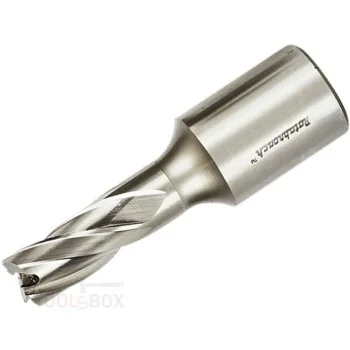
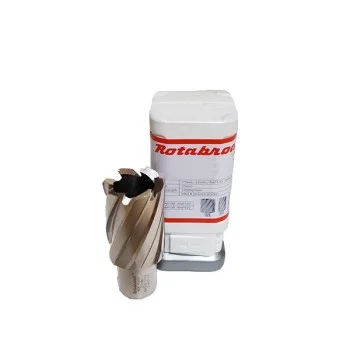
The group includes various types of core bits and accessories for them-bimetal core bits, HSS versions, core bits with carbide inserts, adapters, holders, centering drills, and other drilling-related components. The differences between the individual models lie in the diameter, working depth, material of the cutting edge, shank, and compatibility with a specific machine. These parameters are crucial for the cleanliness of the hole, the service life of the cutting edge, and safe operation.
Applications in repair, installation, and metalworking
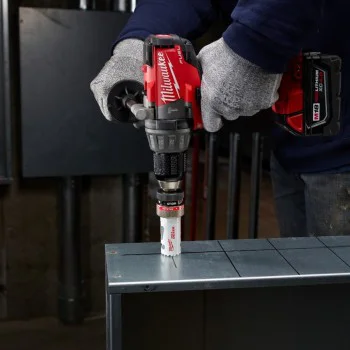
Metal core drills are used in electrical installation work, the construction of metal structures, auto repair, the manufacture of cabinets and panels, plumbing and HVAC installations, machine manufacturing, the repair of agricultural machinery, and the maintenance of workshop equipment. When drilling sheet metal and thin-walled profiles, they produce a uniform hole without the need for prolonged reaming with a file or a step drill.
For professional use, drill bits with a durable cutting edge, stable grip, and good performance under continuous load are sought after. For home workshops and occasional repairs, the key factors are the correct diameter, a compatible chuck, and the ability to work with an existing drill or drill press. For thicker materials, stainless steel, or intensive drilling, more durable versions and a cooling-lubricating fluid are used.
Types of metal core bits
Bimetal core bits
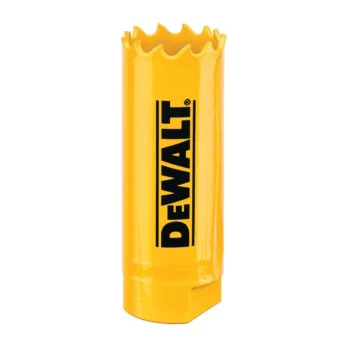
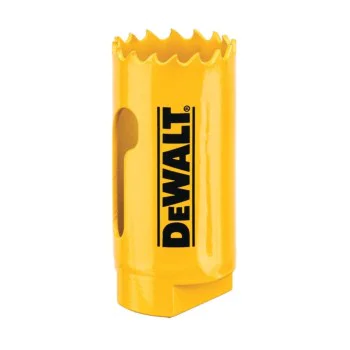
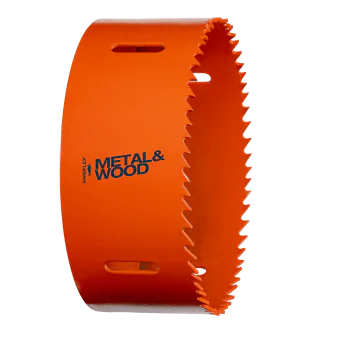
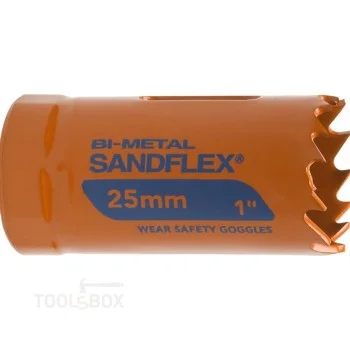
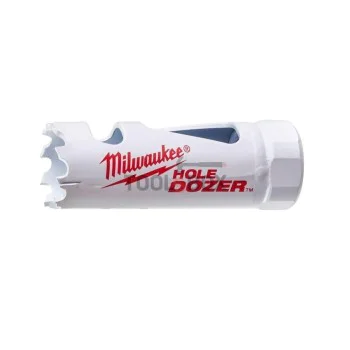
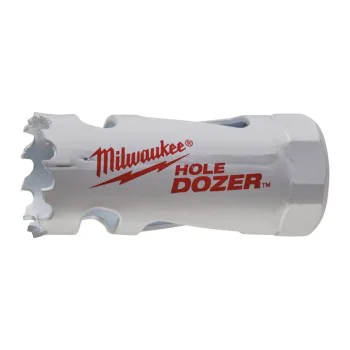
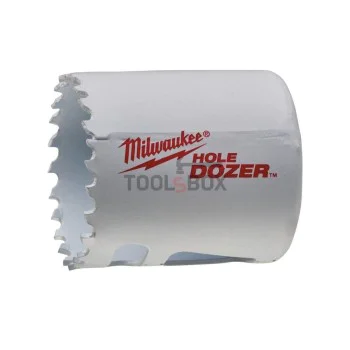
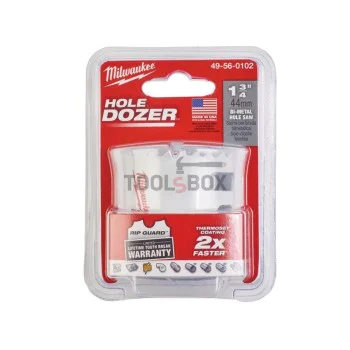
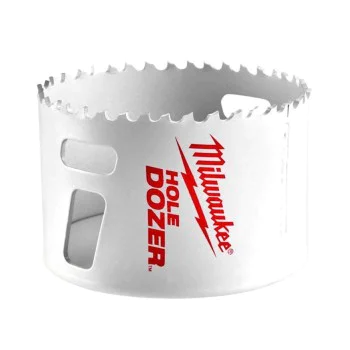
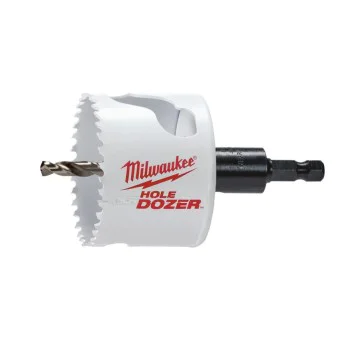
Bimetal core bits are a common choice for sheet metal, pipes, profiles, and sheet material. The cutting rim is designed to combine the flexibility of the body with the hardness of the teeth. This approach is suitable for working with steel, aluminum, brass, copper, and other metals of moderate thickness. They are used with a holder and a center drill, which stabilizes the start of the cut and reduces deflection.
HSS core bits
HSS hole saws are designed for precise holes in sheet metal and thinner parts. High-speed steel allows for clean cutting at the correct speed and moderate pressure. These drill bits are valued in the assembly of panels, boxes, metal panels, and technical enclosures, where precise diameter and a clean hole finish are important.
Carbide-tipped hole saws
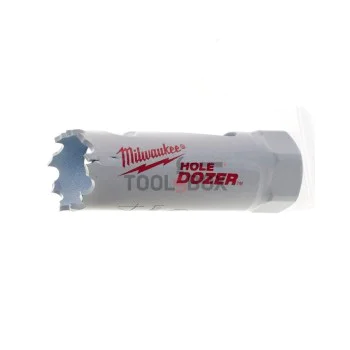
Drill bits with carbide tips are used for tougher materials, higher loads, and tasks requiring greater wear resistance. They are a good choice for thicker metal parts, stainless steel, and intensive service work, provided that the machine, chuck, and drilling mode are correctly selected.
How to choose a core bit for metal
The selection starts with the hole diameter. In electrical installations, this is usually the size of the cable gland, corrugated tube, bushing, or connector. In mechanical applications, the size is determined by the part through which a fastener, pipe, or shaft will pass. It is important to consider whether the hole will be finished, reamed, or painted, as this affects the required diameter.
- Material of the part: steel, stainless steel, aluminum, and non-ferrous metals behave differently during cutting.
- Thickness: Thin sheet metal requires stable guidance, while thicker metal requires lower speeds and cooling.
- Diameter: Larger drill bits put more strain on the machine and require more careful pressure.
- Chuck: The drill bit and the chuck must match in terms of thread, shank, and design.
- Machine: Hand drills, drill presses, and magnetic drill presses have different levels of stability and power.
- Working depth: It must cover the thickness of the workpiece and allow for chip removal.
When working with stainless steel, lower speeds, even pressure, and cooling are required. Excessively high speed heats the cutting edge and shortens the life of the drill bit. With aluminum, the chips are softer but tend to stick, so lubrication and periodically clearing the hole help ensure a clean cut.
Compatibility, holders, and centering drills
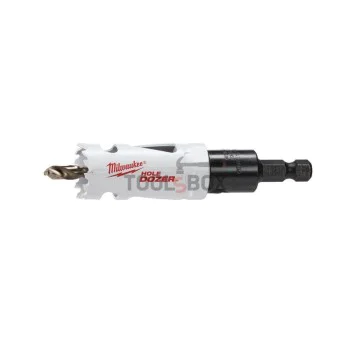
Many metal core bits work with a separate holder. It connects the core bit to the machine and holds the centering drill bit. When purchasing, you need to choose a compatible thread and shank-cylindrical, hexagonal, SDS, or another type depending on the machine. The centering drill bit is a small but important element: it fixes the starting point and prevents slipping on a smooth metal surface.
For more precise mounting holes, it is helpful to mark the spot in advance with a center punch. This keeps the center aligned, and the drill bit enters the material steadily. When using a hand drill, the workpiece must be securely clamped with clamps or in a vise. A loosely held sheet of metal poses a risk of twisting, the bit jamming, and edge damage.
Operating modes, cooling, and safety
The speed is selected based on the diameter and material. A larger diameter requires a lower speed, while hard metals require a slower feed rate. Coolant fluids prevent overheating, improve chip removal, and extend the life of the cutting edge. During prolonged drilling, it is advisable to remove the drill bit periodically to clear chips.
For safe operation, safety goggles, gloves (as appropriate for the task), secure clamping of the workpiece, and control of the feed pressure are required. After drilling, the edge of the hole may be sharp and require finishing with a countersink, file, or chamfering tool. This reduces the risk of cuts and prepares the hole for installing a bushing, cable gland, or fastener.
Metal core bits at Toolsbox.bg
At Toolsbox.bg, you can select metal core bits based on diameter, cutting tip type, shank, and application. Compare the specifications of individual items, match them to the material and machine you're working with, and choose a solution for clean holes during installation, repair, maintenance, and workshop operations.