
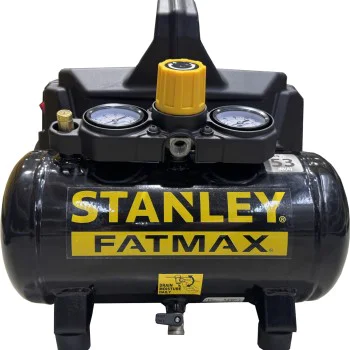
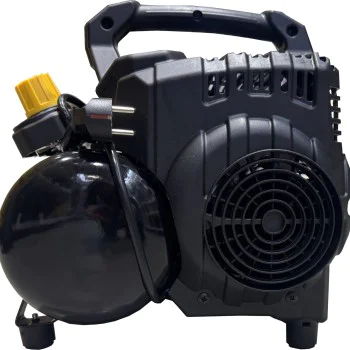
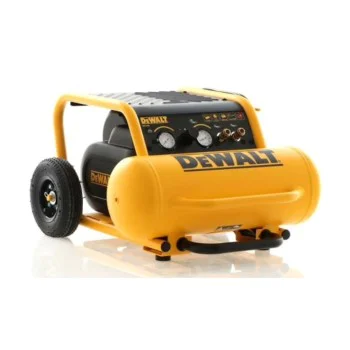
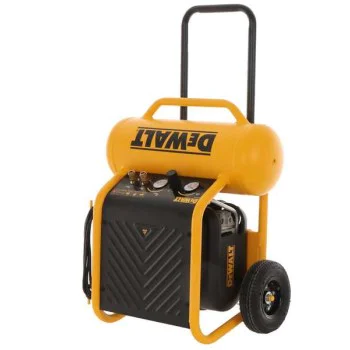
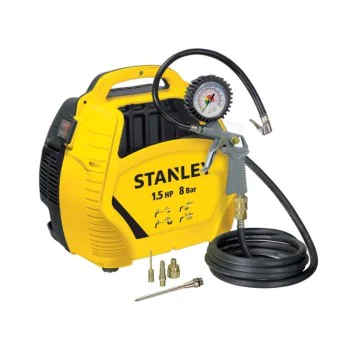
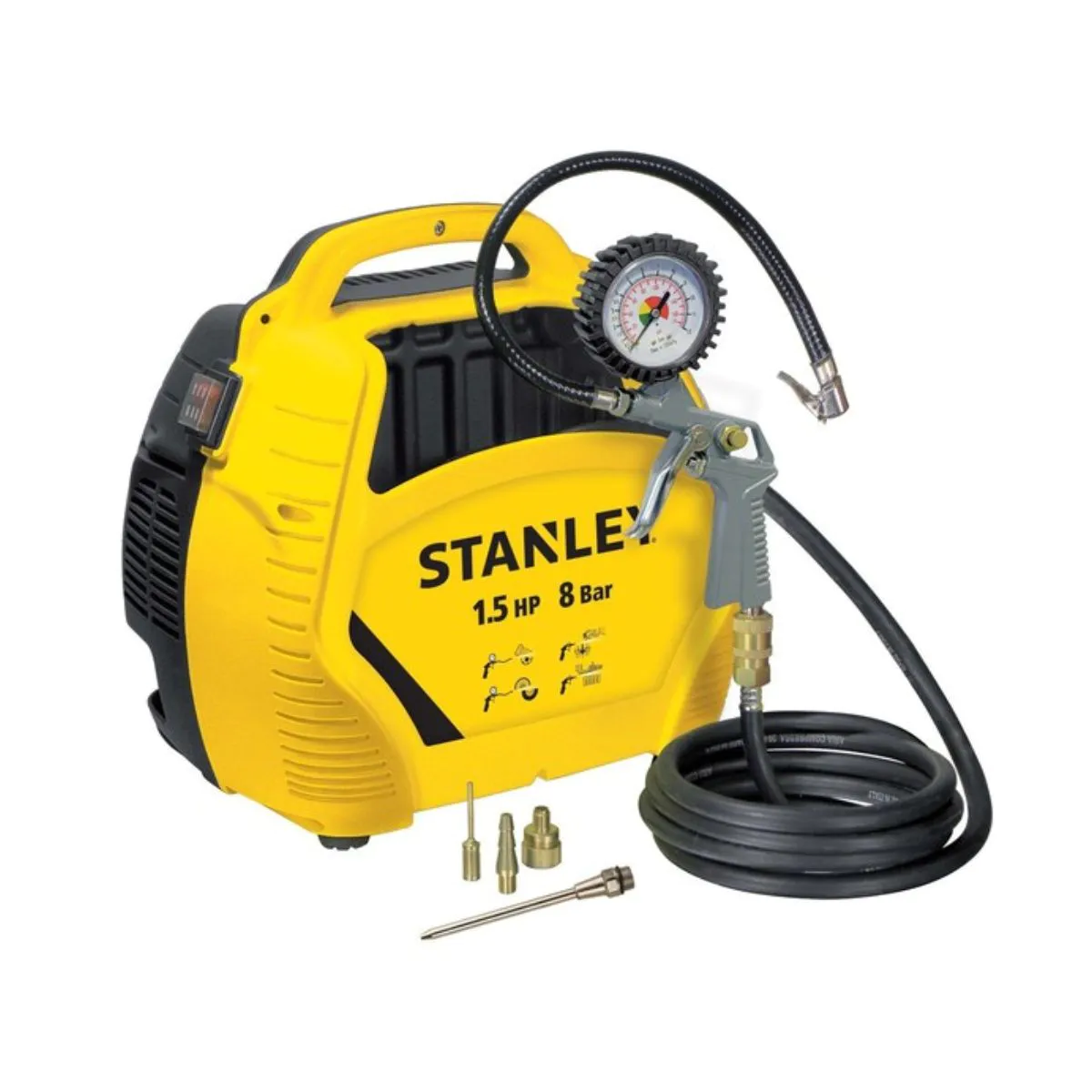
Oil-free compressors
Oil-free compressors for clean compressed air and easy maintenance
Oil-free compressors are chosen for compressed air applications where the purity of the air stream, compact size, and easier maintenance are critical. In these machines, the pump unit operates without oil lubrication, so the air is not contaminated with oil particles. The absence of oil in the compressor head simplifies maintenance and makes this type of compressor ideal for garages, service shops, workshops, installation work, hobby projects, and precision tasks with low to medium air consumption.
This section features models with varying tank capacities, flow rates, operating pressures, motor power, and designs. Some oil-free compressors are compact and easy to transport, while others have a larger air tank and provide more stable performance during longer cycles. Selecting the right model depends on the specific task: inflating tires, blowing out debris, using a tacker, paint spray gun, airbrush, pneumatic tool, or servicing machinery in a work environment.
What Are Oil-Free Compressors
An oil-free compressor compresses air using a pumping mechanism that contains no oil in the compression chamber. The design utilizes materials and seals suitable for operation without oil lubrication. This reduces the need for regular oil changes, level monitoring, and the risk of air contamination during precision operations.
These types of machines are preferred for tasks where oil contamination would interfere with the final result. Such applications include painting, varnishing, blowing out electronics, airbrushing, cosmetic and decorative work, powering small pneumatic tools, and equipment maintenance. In a workshop, an oil-free compressor is also useful for quickly cleaning dust, shavings, and light debris, provided safety rules are followed and the correct nozzle is used.
Main applications in garages, service shops, and workshops
Oil-free compressors cover a wide range of daily repair and maintenance tasks. In the garage, they are used to inflate car, bicycle, and motorcycle tires, sports equipment, and inflatable items. In a service setting, they help blow out parts, clean filters, and power nail guns, caulking guns, or other light pneumatic tools.
When painting and varnishing, clean air is essential for an even finish. An oil-free compressor reduces the risk of oil marks on the surface, which is valued in fine finishing work, modeling, restoration, and decorative projects. For more demanding applications, it is recommended to add a moisture separator, regulator, and a suitable air filter, as condensation in the receiver also affects the result.
For professional use, choosing a model with sufficient air flow is crucial for the stable operation of pneumatic tools. For home use, size, weight, noise level, portability, and quick setup are more important.
Differences Between Models
Oil-free compressors differ in several practical aspects. The receiver tank's volume determines the compressed air reserve and the frequency of the motor's activation. Smaller tanks are convenient for short operations and portability, while larger tanks provide a more consistent flow for longer-duration tasks.
Airflow is one of the most important parameters. It indicates how much air the machine delivers per unit of time and must match the consumption of the tool or accessory. Working pressure is typically selected based on the requirements of the specific task, and the regulator allows for precise adjustment to a spray gun, tacker, pressure gauge, or other tool.
Noise level is important when working in enclosed spaces, home garages, or small workshops. Quieter models are more comfortable for extended use. Vertical compressors save space, horizontal models stand stably on the floor, and portable solutions with a handle are convenient for installation and servicing at various sites.
| Type: oil-free compressor | Practical use | What to consider |
|---|---|---|
| Compact portable model | Inflating, blowing, hobby activities | Weight, size, cable and hose length |
| Compressor with 24-50 L receiver | Garage, small repair shop, light pneumatic tools | Flow rate, pressure, inflation time |
| Vertical model | Workshops with limited space | Stability, access to a condensate drain |
| Quiet oil-free compressor | Indoor use, precision work, airbrush | Noise level, actual flow rate, cooling |
How to choose the right oil-free compressor
When buying, it makes sense to start with the actual task at hand, not just the size of the machine. For pumping and short bursts of air, a small compressor with moderate air flow is sufficient. For painting, nail guns, and pneumatic accessories, a more stable air flow and a receiver that maintains pressure without cycling on and off too frequently are needed.
- Air flow rate: compare the air supply with the tool's air consumption. A higher consumption requires a more powerful model.
- Tank capacity: A larger tank ensures a longer operating cycle between motor starts.
- Working pressure: choose a compressor that meets the requirements of the spray gun, nailer, or other tool.
- Noise: When working indoors, look for a model with a lower noise level.
- Mobility: a handle, wheels, and compact design make it easier to move around.
- Connectivity: Check compatibility with hoses, quick-connect fittings, regulators, and air guns.
Accessories, consumables, and safe operation
To get the most out of an oil-free compressor, you need the right accessories: an air hose, quick-connect fittings, a blow gun, a pressure gun with a pressure gauge, a pressure regulator, a moisture separator, and filters. When painting and performing precision work, air filtration is just as important as the compressor itself, because moisture and dust affect the finish.
Safe operation requires regular draining of condensate from the receiver, inspection of hoses and connections, cleaning of the intake filter, and working in a well-ventilated area. The compressor must be placed on a stable surface, away from direct moisture and dust accumulation. Exceeding the rated pressure of tools, hoses, and nozzles is not recommended.
Maintenance and Long Service Life
Oil-free compressors require less maintenance than oil-lubricated machines, as oil changes are not necessary. Maintenance focuses on a clean air filter, a dry receiver, intact seals, and proper storage. After use, it is advisable to release the pressure, drain the condensate, and store the cable and hose without kinking them.
For professional tasks involving continuous operation, it is advisable to monitor the load time and motor cooling. For more intensive air consumption, a larger receiver and higher flow rate provide a smoother operating mode. For precision tasks such as airbrushing and painting, pressure adjustment, a clean hose, and the right filter are crucial for a good final result.
Browse the selection of oil-free compressors at Toolsbox.bg and choose a model based on the required flow rate, receiver tank capacity, noise level, and the type of work in your garage, service shop, or workshop.