
Wood routers
Wood routers for precision machining in the workshop and on-site
Wood routers are essential for furniture making, door installation, finishing carpentry operations, edge profiling, and cutting grooves. These machines provide control over the shape, depth, and precision of the cut when hand tools cannot ensure the necessary repeatability. They are used to profile edges, prepare joints, shape decorative elements, enlarge openings, and process parts made of solid wood, MDF, particleboard, plywood, and other wood-based materials.
A well-chosen router makes work easier for both professional use and in a home workshop. The differences between individual models are evident in power, plunge depth, speed control, base type, router bit holder, weight, and compatibility with guides, templates, and dust collectors. Wood routers are particularly valuable for tasks requiring a clean edge, uniform depth, and stable guidance along a straight line or template.
What to Consider When Choosing Wood Routers
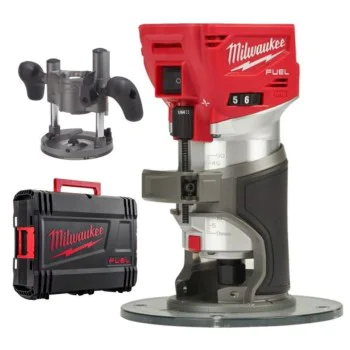
Toolsbox.bg offers wood routers for various tasks-from fine edge finishing to heavier routing of grooves and profiles. Some models are compact and lightweight, convenient for one-handed operation when finishing edges, making adjustments to laminated surfaces, and working on small details. Others are more powerful plunge routers with a plunge mechanism, designed for deeper grooves, working with a guide, and performing repetitive operations.
In woodworking, precision is determined not only by the machine but also by the router bit, the collet, the depth adjustment, and the stability of the guide. Therefore, when purchasing, it is wise to compare the fine-tuning options, the comfort of the handles, visibility of the cutting area, and the method for changing the cutting tool. For extended use, factors such as weight, motor cooling, soft start, and speed control based on the material and diameter of the cutting tool are important.
Types of wood routers and their applications
Plunge routers
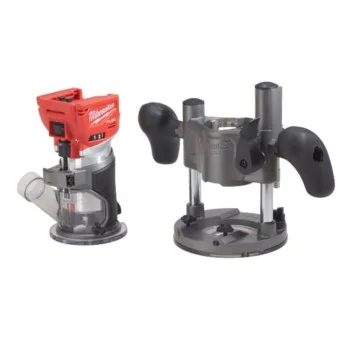
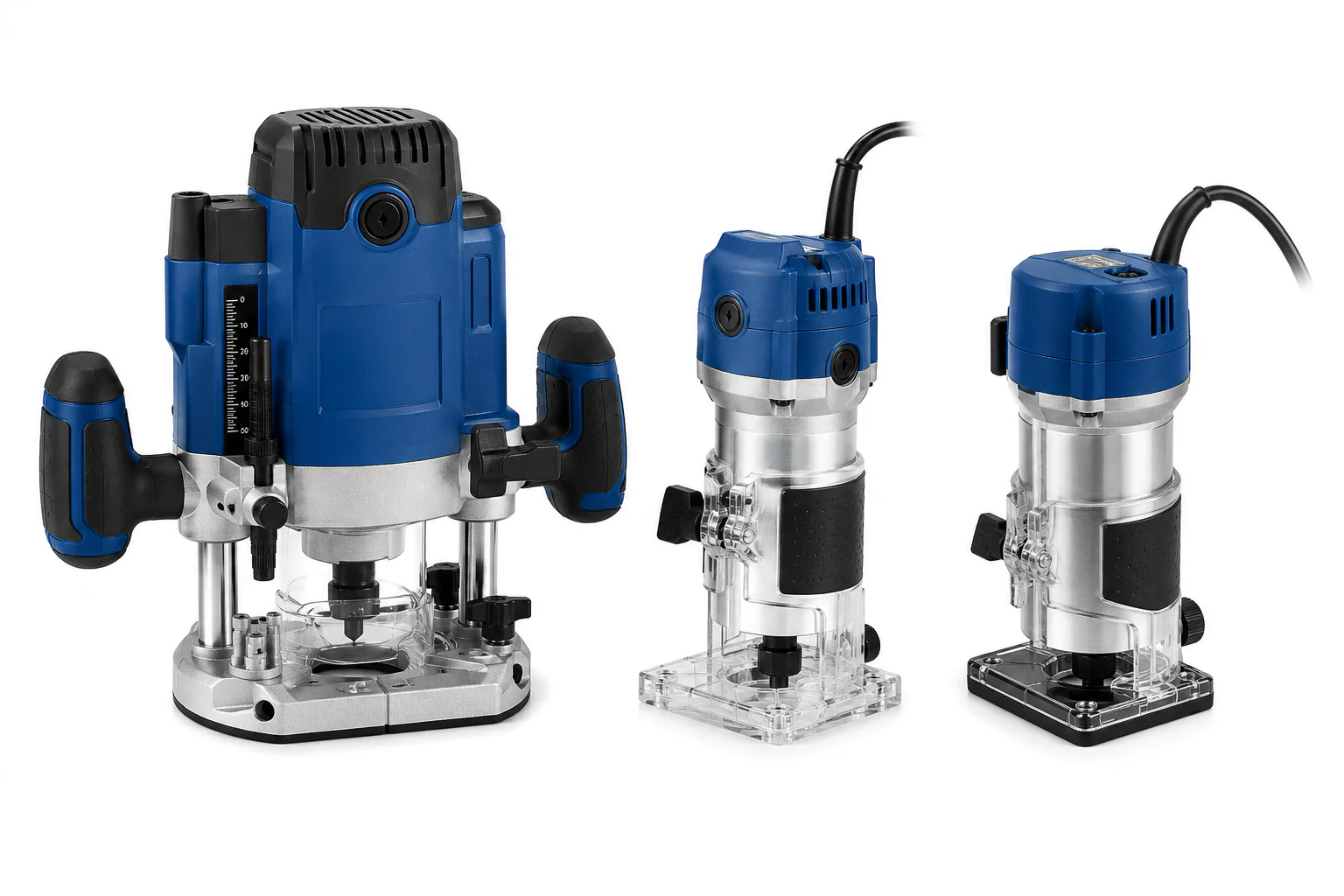
Routers are preferred for grooves, holes, profiling, working with templates, and making joints. The plunge mechanism allows the router to be inserted into the material to a specified depth, which is useful for internal cuts and machining starting from the center of the workpiece. For these models, a stable base, smooth movement along the guides, and a precise depth scale are essential.
Edge routers and trimmers
Compact wood routers are ideal for edge trimming, rounding corners, chamfering, finishing touches, and working on furniture surfaces. Their light weight makes them easy to control when working on vertical pieces or on-site. Key features include good visibility of the cutting area, stable depth adjustment, and comfortable guidance along the edge of the material.
Models for more intensive work
More powerful wood routers are designed for larger router bit diameters, deeper cuts, and continuous operation. They are used in furniture workshops, during installation work, and for repairs, where various panels and solid wood are processed. When selecting such machines, consider power, RPM, base stability, compatibility with guides, and the ability to connect to a dust collector.
Criteria for purchasing a wood router
When comparing models, consider the tasks you'll be performing most often. For edges and fine profiles, a lightweight machine with a precise base is more convenient. For grooves, templates, and joints, a more stable router with a smooth plunge action is needed. For working with different materials, variable speed control is useful, as MDF, solid wood, plywood, and laminated panels are processed differently.
- Power: Higher power is useful for larger cutters, hardwood, and longer operating cycles.
- Speed: Adjustability makes it easier to set the speed according to the material and the diameter of the cutting tool.
- Cutting depth: Precise adjustment is important for grooves, joints, and repetitive operations.
- Collet and compatibility: The collet size must match the router bits you are using.
- Base and guidance: A stable base, parallel guide, and the ability to work with a template improve accuracy.
- Dust extraction: A vacuum connection keeps the cutting area cleaner and improves visibility.
Consumables, accessories, and compatibility
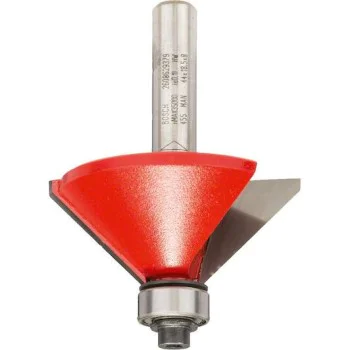
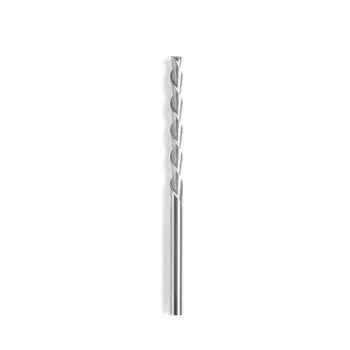
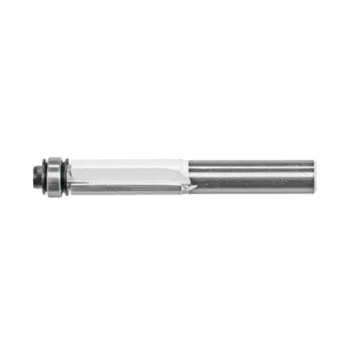
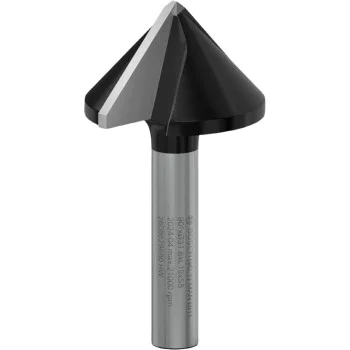
Wood routers work with various profile and straight cutters, and the choice of consumables directly affects the final result. Straight cutters are used for grooves and slots, profile cutters for decorative edges, and ball-bearing cutters facilitate edge or template guidance. The material of the cutting edge, the geometry, and the diameter must match the machine and the workpiece being processed.
Accessories are crucial for precision. Parallel guides, template sleeves, dust collector adapters, and stable workbenches expand the machine's capabilities. For finer operations, it is advisable to securely clamp the workpiece and ensure the work surface is clean and level. This reduces the risk of deviation, chipping, or uneven depth.
Safe and precise work with a router
Working with a router requires a firm grip, proper guidance, and a securely clamped workpiece. The cutting tool must be tightly secured in the collet, and the depth adjustment should be made before contact with the material. For deeper grooves, a cleaner result is achieved with several shallower passes rather than a single aggressive cut. Safety goggles, ear protection, and dust protection are required, especially when working with MDF and coated panels.
Maintenance also extends the machine's lifespan. Clean the cooling vents, remove dust from the base, and check the collet for dirt or wear. Sharp cutters reduce the load on the motor and leave a cleaner surface. Worn-out consumables lead to overheating, vibrations, and marks on the workpiece, so replacing them in a timely manner saves on rework.
Choose a router based on your work
Wood routers are a practical part of the equipment for furniture makers, installers, carpenters, and demanding DIYers. The choice of wood routers should be based on the type of operations, the material, the required precision, and the workload during the workday. Browse the offerings at Toolsbox.bg and select a machine, accessories, and consumables that meet the specific needs of your workshop, studio, or job site.