
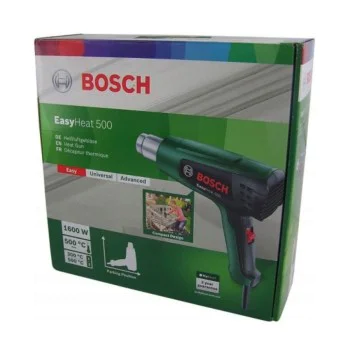
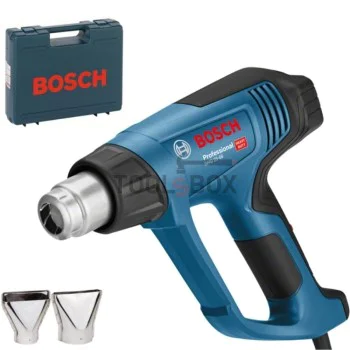
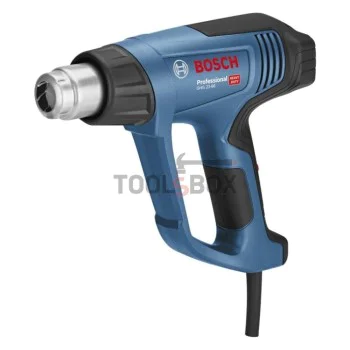
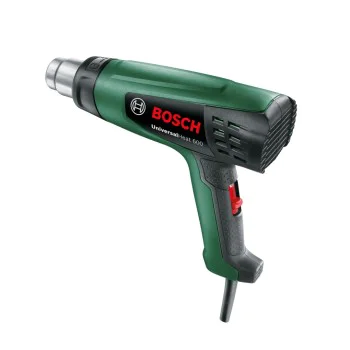
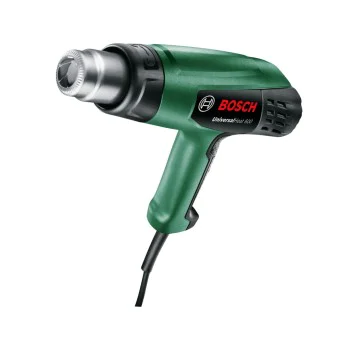
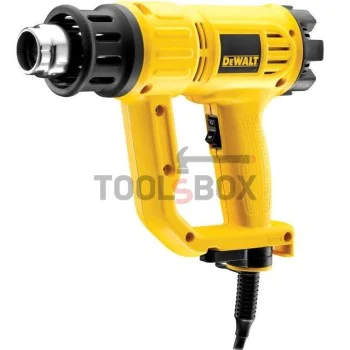
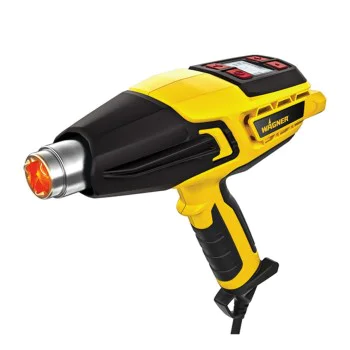
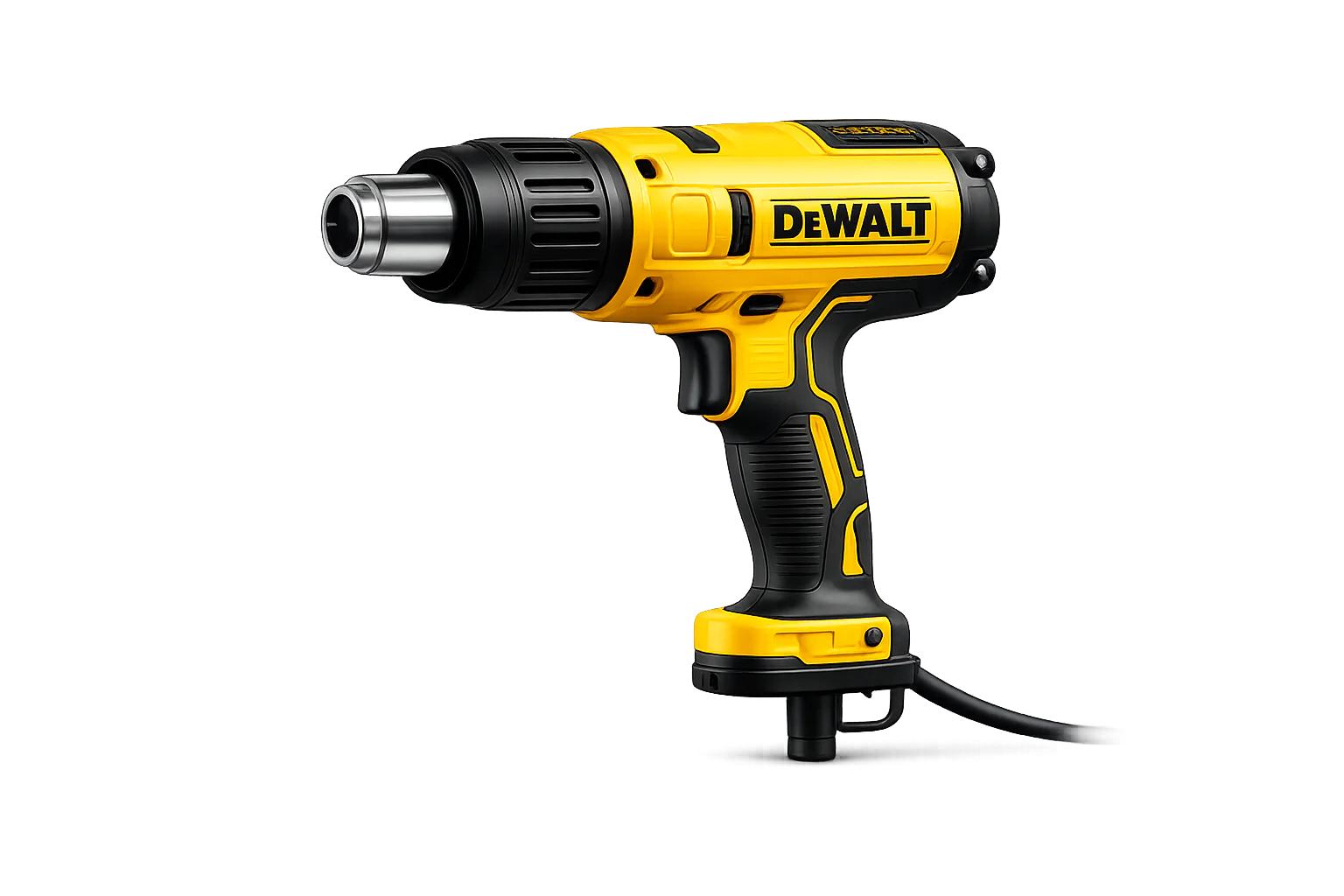
Electric hot air gun
Electric hot air gun for repairs, installation, and finishing
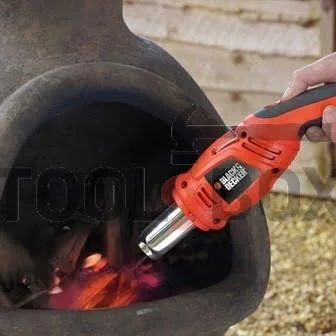
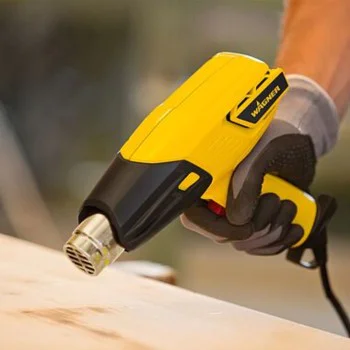
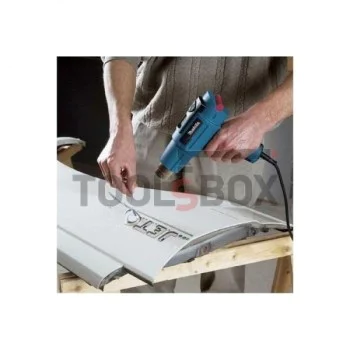
An electric hot air gun is a practical power tool that heats a stream of air and directs it toward a specific area to soften, shrink, dry, separate, or shape various materials. This type of tool is invaluable in workshops, service centers, construction and repair projects, installation work, and home maintenance. It is used to remove old paint and varnish, heat heat-shrinkable tubing, peel off stickers and films, soften adhesives, shape plastic parts, dry surfaces, and assist with work on electrical installations, furniture, window frames, and automotive components.
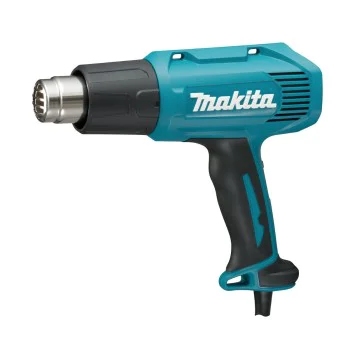
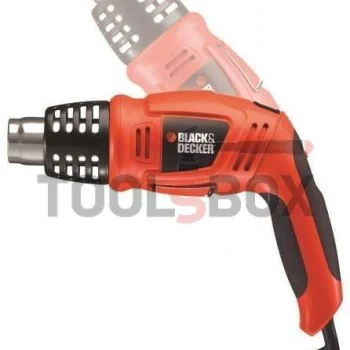
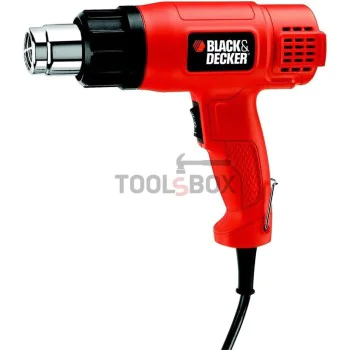
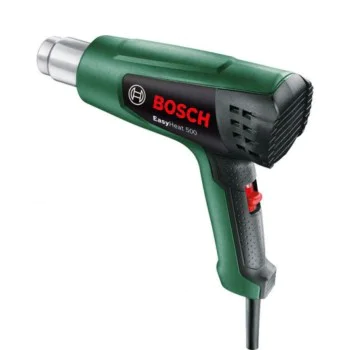
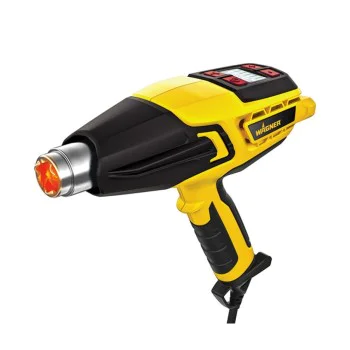
The range includes electric models with varying power, temperature range, airflow, adjustment settings, and nozzle configurations. This allows every craftsman to choose a tool based on the workload, material, and required precision. For light household tasks, a compact model with several heat settings is sufficient, while for prolonged professional work, guns with finer adjustments, a sturdy body, an ergonomic handle, and overheating protection are more convenient.
What tasks is a heat gun used for?
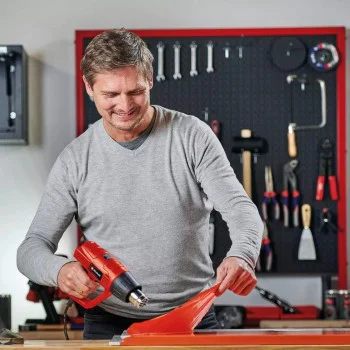
A heat gun operates without an open flame and directs heat in a more controlled manner than a gas torch. This makes it convenient for detailed operations where the material needs to be heated gradually. The temperature and air flow are adjusted according to the task to reduce the risk of warping, burning, or damaging adjacent surfaces.
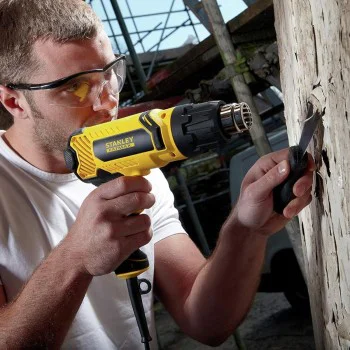
- Removing paint and varnish from wood, metal profiles, doors, window frames, railings, and furniture before sanding or repainting.
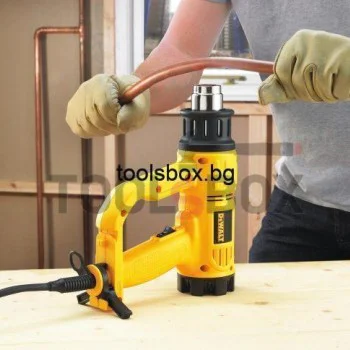
- Working with heat-shrink tubing on electrical connections, cable harnesses, automotive systems, and service work.
- Softening adhesives when removing stickers, films, edging, decorative elements, and adhesive residue.
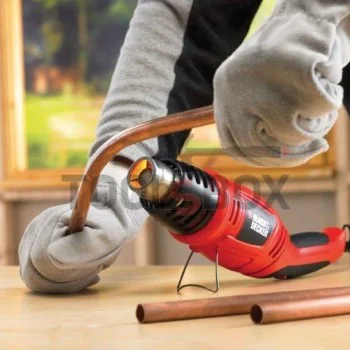
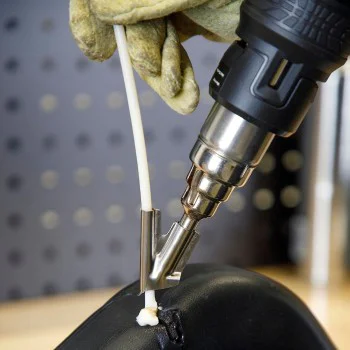
- Shaping plastic, bending PVC parts, heating pipes, and making minor adjustments to plastic components.
- Drying and preheating surfaces, joints, putty, sealants, or areas prior to further processing.
- Defrosting metal parts, locks, and pipe sections at a carefully controlled temperature.
Differences between individual models
Electric hot air guns differ in design, controls, and range of accessories. Power affects the tool's ability to maintain temperature under load, while airflow determines how quickly the work area heats up. A higher temperature isn't always the best choice; for thin plastic, foil, or cable insulation, lower settings protect the material from damage.
Temperature and Airflow
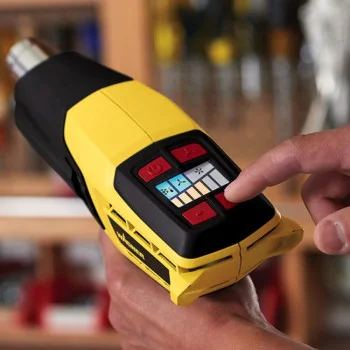
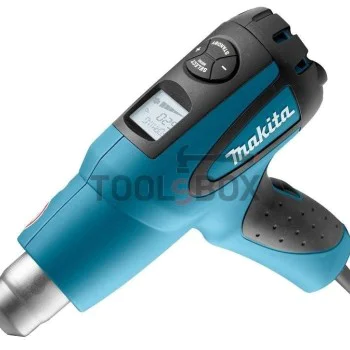
Models with two or three settings are suitable for standard repair tasks. Tools with continuous or electronic adjustment provide more precise control for sensitive materials and repetitive operations. Airflow is also a key factor: a stronger jet speeds up paint removal and heating of larger areas, while a weaker jet is more precise for heat-shrink tubing, small parts, and work near cables.
Nozzles, tips, and accessories
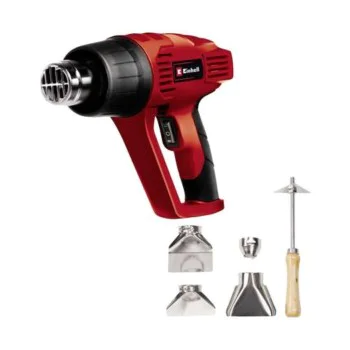
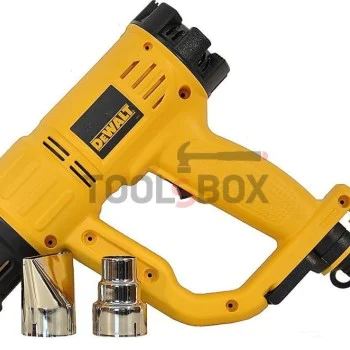
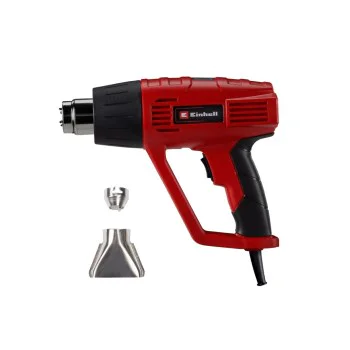
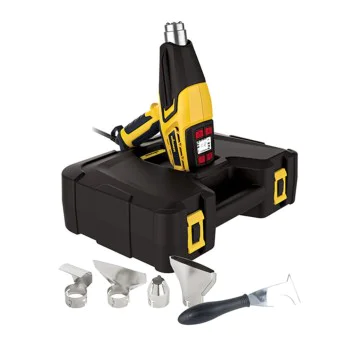
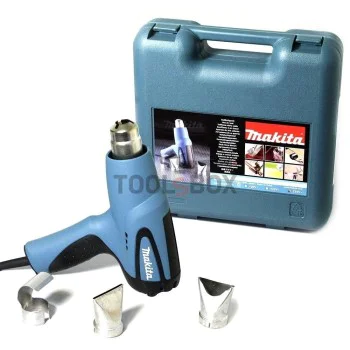
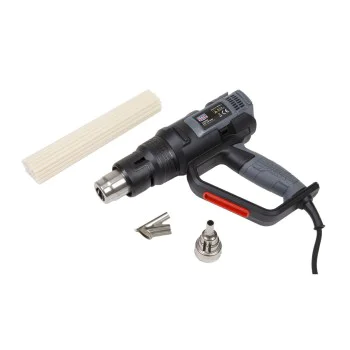
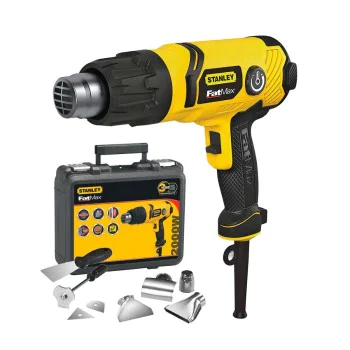
Nozzles direct the heat and expand the tool's applications. Flat nozzles distribute the air over a wide area for paint removal or drying. Reducing nozzles concentrate the heat on a small area for plastic welding, heat-shrinking tubing, or precision work. Deflector nozzles wrap around pipes and cables, while protective glass nozzles help when working around window frames and sensitive surfaces. When choosing a model, compare the available nozzles and compatibility with additional accessories.
Choosing Based on Material and Work Environment
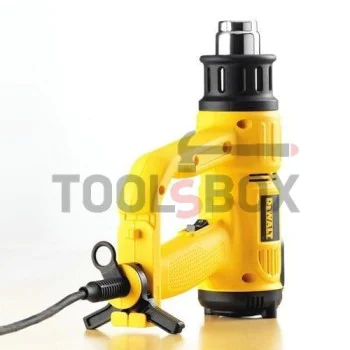
When choosing an electric hot air gun, consider the type of tasks, frequency of use, and on-site conditions. For occasional home repairs, lightweight models with clear settings and standard nozzles are convenient. For a service shop, construction site, or workshop, look for a more durable housing, a stable stand for two-handed operation, heater protection, and the ability to adjust the temperature more precisely.
- Power - higher power enables faster heating and more stable operation under continuous load.
- Temperature range-lower settings are useful for foils and cables, while higher settings are better for paint, varnish, and hard adhesives.
- Airflow - higher airflow covers a wider area, while lower airflow provides more precise targeting.
- Ergonomics-weight, handle shape, balance, and cord length affect fatigue during prolonged use.
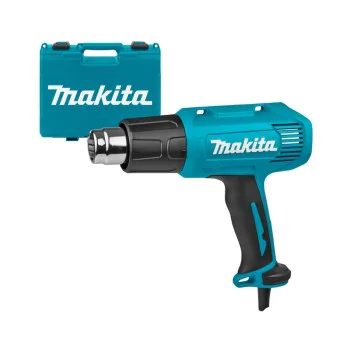
- Accessories-nozzles, a carrying case, a putty knife, or additional attachments make various tasks easier without requiring separate purchases.
For painting projects, look for a model with a high flow rate and a flat nozzle. For electrical work, precise adjustment and a reducing nozzle are more valuable. When working with plastic, temperature control is crucial for clean shaping without burning. If the tool will be used on-site, pay attention to the cable, housing, and portability.
Safe Operation and Maintenance
Hot air reaches temperatures that can cause burns, ignite dust, deform plastic, or damage nearby items. Wear gloves and safety goggles, keep the cord away from hot parts, and do not direct the airflow toward skin, flammable liquids, textiles, or electronic components. When removing old coatings, ensure proper ventilation, as heating paints, adhesives, and varnishes releases fumes.
After use, leave the tool on a stable, non-flammable surface until it cools down. The ventilation openings must be clean to prevent the heater from overheating. Store the nozzles separately or in a case, if available, to prevent deformation and ensure they remain easy to replace. Regularly inspect the cord, plug, and housing to ensure safe use in the workshop and on-site.
Electric hot air guns at Toolsbox.bg
Toolsbox.bg offers models for home repairs, professional use, installation, service, and maintenance. Compare power, temperature ranges, airflow, accessories, and ease of use to select a tool that suits your specific tasks. Browse the selection and choose an electric hot air gun that will help you with material processing, dismantling, heating, and fine repair work.