
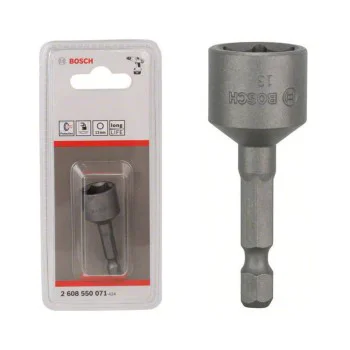
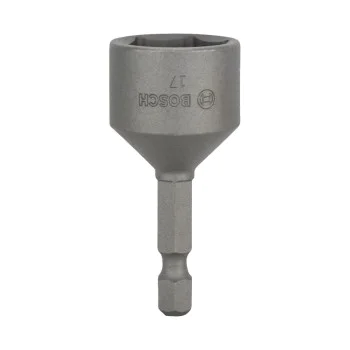
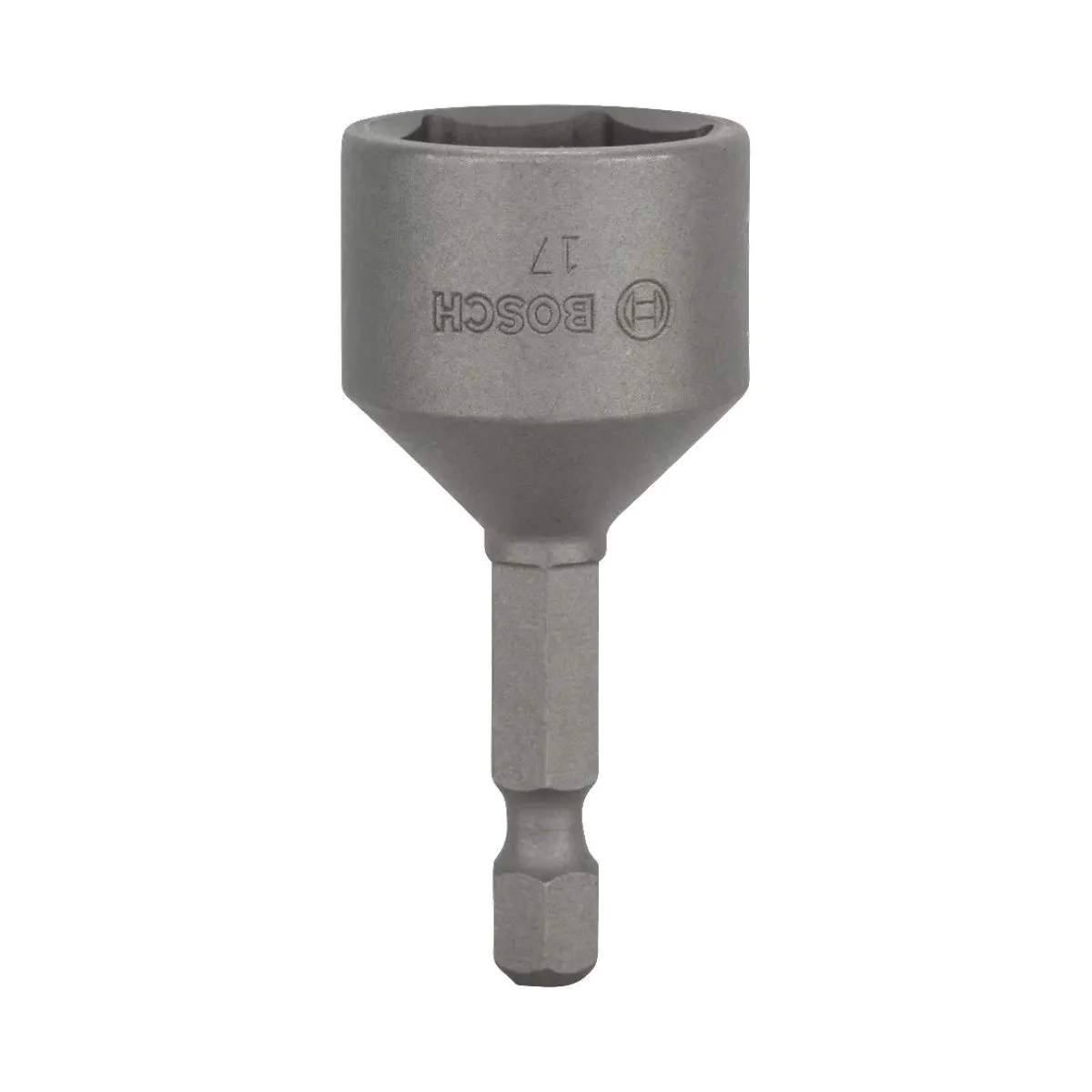
Nozzles for self drilling screw
Self-tapping screw bits for secure installation with a screwdriver
Self-tapping screw bits are specialized bits for driving hex-head screws, where drilling and fastening are performed in a single operation. They are in high demand for installing sheet metal, metal profiles, roofing and facade elements, ventilation ducts, suspended structures, and various repair tasks. A properly selected bit holds the screw head securely, reduces slippage, and prevents the fastener from rounding off, which is valuable during serial work with a screwdriver or cordless tool.
Unlike standard Phillips or Torx bits, these bits work with the screw's external hexagon. Their shape resembles a small screwdriver bit, often with a hexagonal shank for attachment to the tool. Self-tapping screw bits are selected based on the head size, socket depth, body length, and type of work. When installing in hard-to-reach places, a longer bit makes it easier to reach the screw, while for repetitive fastening, the more compact version provides better control.
Where are these bits used?
Self-tapping screw bits are used in construction, repairs, maintenance work, and workshop equipment. They are useful for fastening metal to metal, sheet metal to a wooden or metal base, and for installing strips, profiles, brackets, cladding, and decorative elements. The self-tapping screw cuts its own hole in the material, and the bit transmits the torque from the screwdriver to the hexagonal head.
In roofing and facade work, stable screw guidance is particularly important because the screws often have a sealing washer. Excessive tightening damages the washer, while insufficient pressure leaves room for water to penetrate. A well-fitting bit helps ensure controlled tightening and a clean finish. When installing drywall metal frames, ventilation ducts, or thin-walled profiles, the precise size of the socket prevents the screw from shifting and speeds up the work.
How to Select Bits for Self-Tapping Screws
The first criterion is the size of the hexagonal socket. It must match the screw head, with no visible play and without being too tight. An incorrect size leads to slippage, bit wear, and damage to the fastener. Different series of self-tapping screws are manufactured with different heads, so checking the size before work saves time and prevents unnecessary replacement of consumables.
The second criterion is length. Short bits provide precise control and are convenient for open areas. Extended versions help when screwing around edges, in corners, in profiles, and in places where the screwdriver body gets in the way. For intensive professional use, look for good socket geometry, a secure grip on the tool, and steel with good wear resistance under load.
- Socket size: matches the hexagonal head of the self-tapping screw.
- Screwdriver grip: the standard hexagonal grip facilitates quick bit and accessory changes.
- Shaft length: short for control, extended for access to tight spaces.
- Magnetic retention: facilitates screw positioning, especially when working overhead or with one hand.
- Material and finish: affect wear when in contact with hard fasteners and during prolonged use.
Compatibility with tools and operating method
Self-tapping screw bits are mounted on screwdrivers, cordless screwdrivers, impact drivers, and bit holders when the shank size matches. When working in impact mode, it is advisable to select bits designed for higher loads, as the machine's pulses place stress on the bit's walls. For standard installation with a cordless screwdriver, the correct speed, even pressure, and precise alignment with the screw's axis are important.
Adjusting the screwdriver's clutch is useful for thin sheet metal, profiles, and fasteners with washers. This prevents over-tightening, stripped threads, or deformation of the material. With thicker metal substrates, the self-tapping screw requires constant pressure until the hole is drilled through, after which tightening must remain controlled. Self-drilling screw bits with a properly shaped socket keep the work area cleaner because the screw stays centered and doesn't wobble across the surface.
Practical tips for longer service life
To preserve the bit's socket, the screw must be fully inserted into it before tightening. Angled insertion creates lateral stress and accelerates wear. Accumulated metal shavings in the socket should be removed periodically, as they prevent full contact with the screw head. If visible rounding, cracks, or weakened magnetic retention are observed, replacing the bit reduces the risk of damaged screws and delays in installation.
For professional crews, it is practical to keep several sizes on hand along with other screwdriver accessories. For home use, a single precise size is often sufficient for a specific task, but a spare bit prevents work interruptions. Self-tapping screw bits are a small accessory, but they directly affect the speed, cleanliness, and security of the fastening.
Select self-tapping screwdriver bits based on the fastener size, the tool, and the type of installation. At Toolsbox.bg, you can find the right screwdriver bits for repairs, construction work, maintenance, and work in a well-equipped workshop.