
Generators for electricity
Power Generators for a Reliable Power Supply
Power generators are a practical source of electricity during power outages, for sites without an established electrical installation, for repair work, camping, agricultural work, and field service operations. They power power tools, lighting, pumps, compressors, chargers, heating appliances, and other equipment, provided the total power consumption is within the capacity of the selected model. At Toolsbox.bg, you'll find generators with varying power ratings, fuel types, output voltages, and designs, so you can choose one that matches your actual workload and operating conditions.
These types of machines are valuable for professional teams in construction, installation, and maintenance, but they also have a place in the home, cottage, garage, or small workshop. The differences between individual models are not limited to power output alone. Other factors include the engine type, voltage stabilization, the number and type of outlets, noise level, fuel tank capacity, starting system, and portability.
Types of Generators and Their Uses
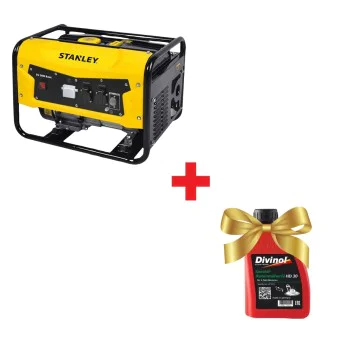
Gasoline generators are a common choice for mobile work, emergency power, and occasional use. They are typically easier to start, compact in size, and highly portable. They are suitable for powering hand-held power tools, lighting, small pumps, chargers, and equipment with moderate power consumption.
Diesel generators are preferred for longer-duration operation, higher power output, and intensive use. They are a good choice for construction sites, agricultural facilities, workshops, and locations where the power supply must support heavier-duty equipment. With these, more attention is paid to fuel consumption, cooling, the frame, and ease of maintenance.
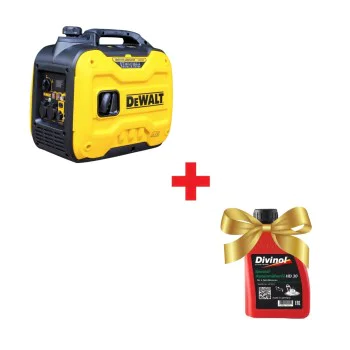
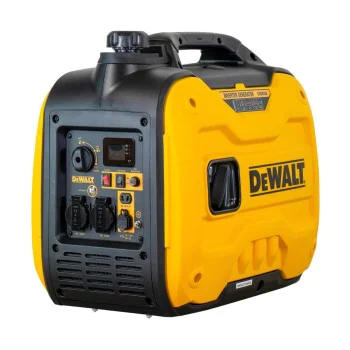
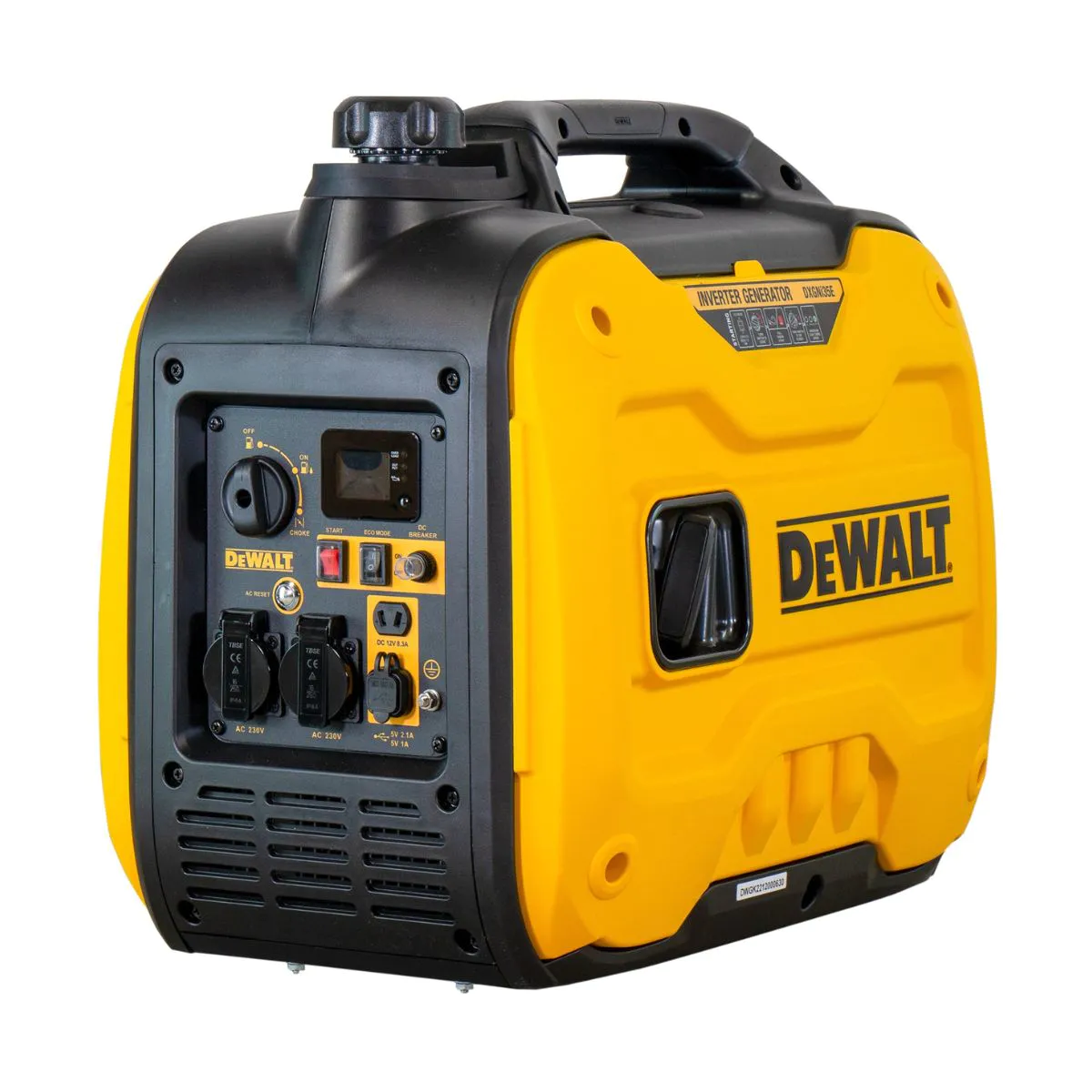
Inverter generators are designed for equipment sensitive to voltage fluctuations. They provide a more stable current and are preferred for electronics, measuring instruments, computers, charging stations, and more delicate electrical appliances. They are typically more compact and quieter, making them convenient for camping, mobile service operations, and work in residential areas where noise is a concern.
| Generator Type | Typical use | Selection criteria |
|---|---|---|
| Gasoline | Home, cottage, small workshop, on-site repairs | Power, tank capacity, starting system, weight |
| Diesel | Construction, service, agriculture, continuous operation | Rated power, cooling, frame, fuel consumption |
| Inverter | Electronics, camping, mobile services, sensitive equipment | Voltage stability, noise, compactness, outputs |
Criteria for selecting a power generator
Power and actual load
The first parameter is power. When selecting a generator, add up the wattage of the devices that will be running simultaneously. For electric motors, pumps, compressors, and some machines, the starting current is higher than the operating current, so the generator must have sufficient reserve capacity. The rated power indicates the continuous load, while the maximum value is a short-term peak and should not be considered a constant operating mode.
Single-phase and three-phase models
Single-phase 230 V generators are suitable for standard power tools, lighting, and household appliances. Three-phase 400 V models are used for machines and equipment with three-phase power supply. With mixed loads, careful selection is required, as the distribution of the load across the phases affects the stability and normal operation of the connected loads.
Voltage Stabilization and Protection
Models with AVR regulation maintain a more consistent voltage during load changes. This is useful for power tools, chargers, and equipment where sudden fluctuations are undesirable. For sensitive electronics, the inverter type is the better option. For safe operation, overload protection, low-oil-level protection, a stable frame, high-quality contacts, and clearly positioned controls are important.
Ease of use, transport, and maintenance
Generators are often moved between different sites, so weight, handles, wheels, and frame design directly impact daily operations. Compact models are easier to transport in a car, while more powerful units typically have a sturdier metal frame and a larger fuel tank. Noise level is also important, especially when operating near residential buildings, commercial facilities, or camping areas.
Maintenance includes oil changes, cleaning or replacing the air filter, inspecting the spark plugs on gasoline engines, checking the fuel, and periodically inspecting cables and connectors. Regular maintenance extends the engine's lifespan and reduces the risk of breakdowns during operation. For seasonal use, store the unit in a dry place with clean fuel or according to the specific engine's instructions.
Compatibility with tools, appliances, and accessories
Before purchasing, compare the requirements of your devices with the generator's outputs. Some models feature one or more 230 V outlets, a 400 V output, a 12 V charging port, or terminals for specific connections. For work on a construction site, durable extension cords, power strips with an appropriate cable gauge, protective devices, and maintenance supplies are useful. A thin or excessively long cable causes a voltage drop and impairs the performance of the connected equipment.
For emergency power supply to a building, a properly executed electrical installation by a qualified technician is required, with isolation from the grid and protection against backfeed. Generators with ATS capability are designed for systems where the unit starts up when the main power fails, but compatibility between the control panel, generator, and installation must be properly planned.
Generators for professional and home use
For home use, compact gasoline or inverter models are often sufficient to power lighting, a refrigerator, a heating circulation pump, chargers, and small tools. For construction and service teams, more powerful units with a sturdy frame, a larger fuel tank, and outlets compatible with the site's machinery are selected. For continuous operation, heavy loads, and higher power consumption, the diesel option is usually more suitable.
Browse the generator models at Toolsbox.bg and select a unit based on power, fuel type, voltage, mobility, and planned operating mode. This ensures that power tools, equipment, and household appliances receive a stable power supply where the grid is absent, interrupted, or insufficient for the task.