
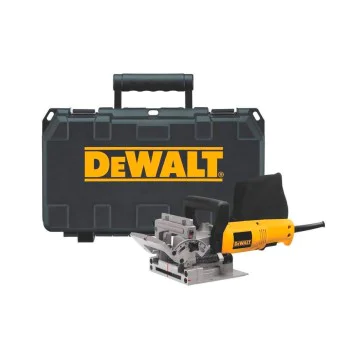
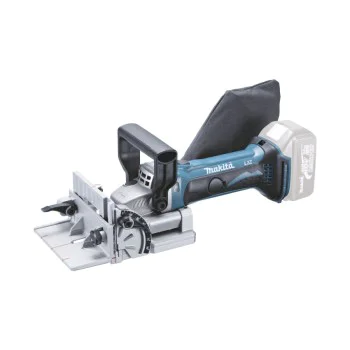
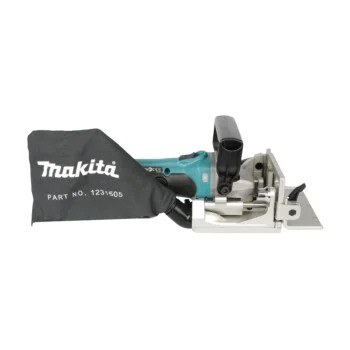
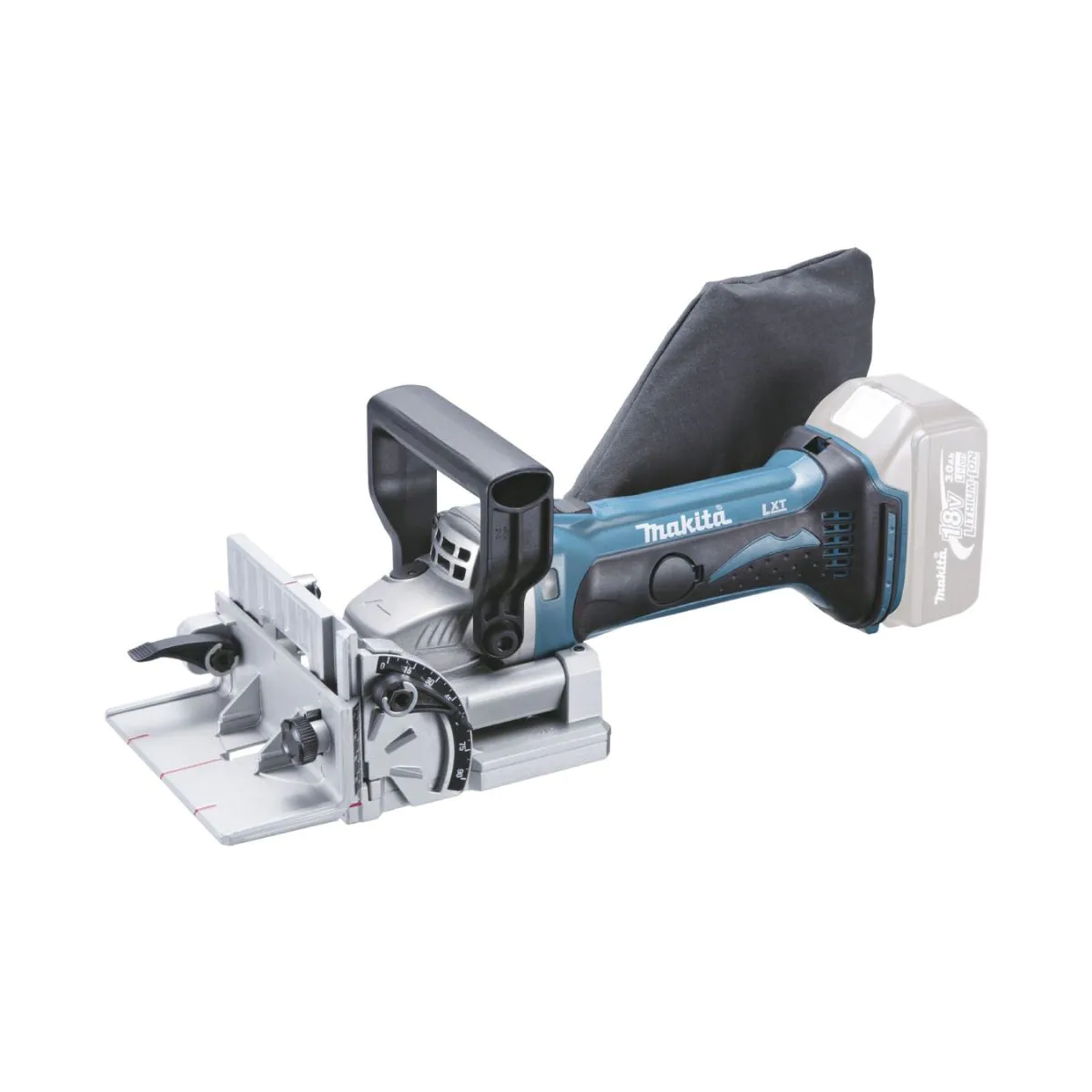
Biscuit machine
Biscuit Machine for Precision Woodworking Joints
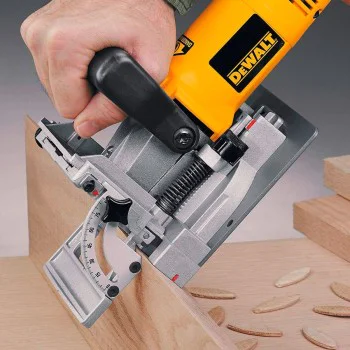
A biscuit joiner is a specialized wood router designed to create precise oval grooves into which flat wooden strips, also known as biscuits or joinery strips, are inserted. This type of machine facilitates the joining of panels, frames, edges, and components made of solid wood, MDF, particleboard, or plywood when a straight joint line, good stability, and a clean appearance without visible fasteners are desired.
In carpentry, furniture manufacturing, and interior renovation, a biscuit joiner ensures precise positioning of the slots and speeds up assembly preparation. It operates with a disc cutter that cuts into the material to a specified depth. After inserting the tongue and applying adhesive, the parts are secured to each other with precise guidance and proper alignment.
What does this type of woodworking machine include?
The range of finger jointing machines typically includes electric finger jointers for workshop use, models for on-site installation work, and more compact versions for home use. The various machines differ in power, speed, cutting depth, angle adjustment, base plate stability, chip removal system, and comfort during prolonged use.
Some models feature an adjustable stop that allows for routing at different positions along the thickness of the workpiece. Others offer a finer adjustment scale, a wider base, or a more comfortable handle. For more intensive professional use, the smooth movement of the plunge mechanism, secure locking of settings, and good visibility of the work area are important.
Main Applications
A biscuit joiner is used in the manufacture and repair of furniture, as well as for assembling countertops, cabinets, shelves, frames, decorative panels, doors, and trim. The machine is practical for joining parts at right angles, butt joints, T-joints, and longitudinal gluing of panels. When properly marked, the guide rails help ensure precise alignment of surfaces and reduce the risk of misalignment during clamping.
- Furniture panels-joining MDF, particleboard, and plywood for cabinets, shelving units, and cabinetry.
- Solid wood-leveling boards, edges, and frame elements before gluing.
- Installation repairs-corrections, reinforcement of joints, and adding hidden fasteners to finished components.
- Decorative elements-clean joints without visible screws, staples, or metal strips.
How to choose a biscuit joiner based on the job
When choosing a biscuit joiner, first consider the frequency of use and the type of materials. For occasional tasks in a home workshop, a model with clear settings, a stable base, and easy disc replacement is practical. For daily professional use in furniture manufacturing or by installation teams, it makes more sense to look for a more durable machine with a precise mechanism, a comfortable grip, and a good dust collection system.
| Criterion | Practical significance |
|---|---|
| Power and RPM | These affect the cleanliness of the cut and ease of working with denser materials. |
| Cutting depth | Must correspond to the size of the flutes and the thickness of the workpiece. |
| Angle adjustment | Useful for beveled joints, frames, and custom furniture components. |
| Support plate | The stable base reduces deviations and facilitates repeatable grooves. |
| Dust extraction | Keeps the work area cleaner and protects the mechanism from chip buildup. |
Compatibility with slats, discs, and consumables
The biscuit joiner works with flat wooden lamellas in various sizes, selected according to the thickness and load of the joint. Smaller slats are used for thin parts and decorative panels, while larger ones are used for countertops, cabinetry, and wider elements. The router bit must be compatible with the specific machine in terms of diameter, shank, and cutting profile.
Precise work also requires high-quality tools: clamps for securing, marking tools, a protractor, a dust collector or workshop vacuum cleaner, wood glue, and suitable lamellas. Proper preparation of the parts, even contact surfaces, and consistent spacing between the channels are crucial for the strength of the joint.
Precision, Safety, and Maintenance
Working with a biscuit joiner requires secure clamping of the workpiece and proper adjustment before each cut. The machine must rest firmly on the surface without tilting, and the blade must enter the material smoothly. Safety goggles, ear protection, and dust control are essential parts of the work process, especially during prolonged milling of flat surfaces.
Maintenance includes cleaning the chip chute, inspecting the blade, tightening the fasteners, and storing the machine in a dry environment. A dull or dirty blade leaves a rough cut, strains the motor, and increases the risk of overheating. Regularly checking the settings maintains accuracy during serial operations and reduces scrap rates for expensive furniture components.
Biscuit joiner for workshops, installation, and repair
A well-chosen biscuit joiner saves time during assembly, makes joints more precise, and facilitates the alignment of parts. It is a valuable tool for furniture makers, carpenters, installers, and discerning DIYers who work with panels and lumber. Browse the selection at Toolsbox.bg and choose a model suited to the tasks, materials, and workload in your workshop.