
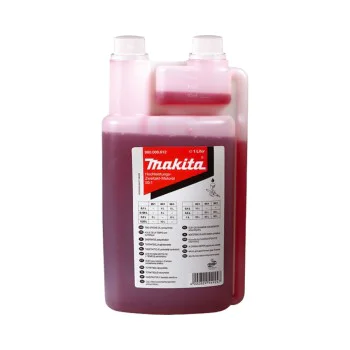
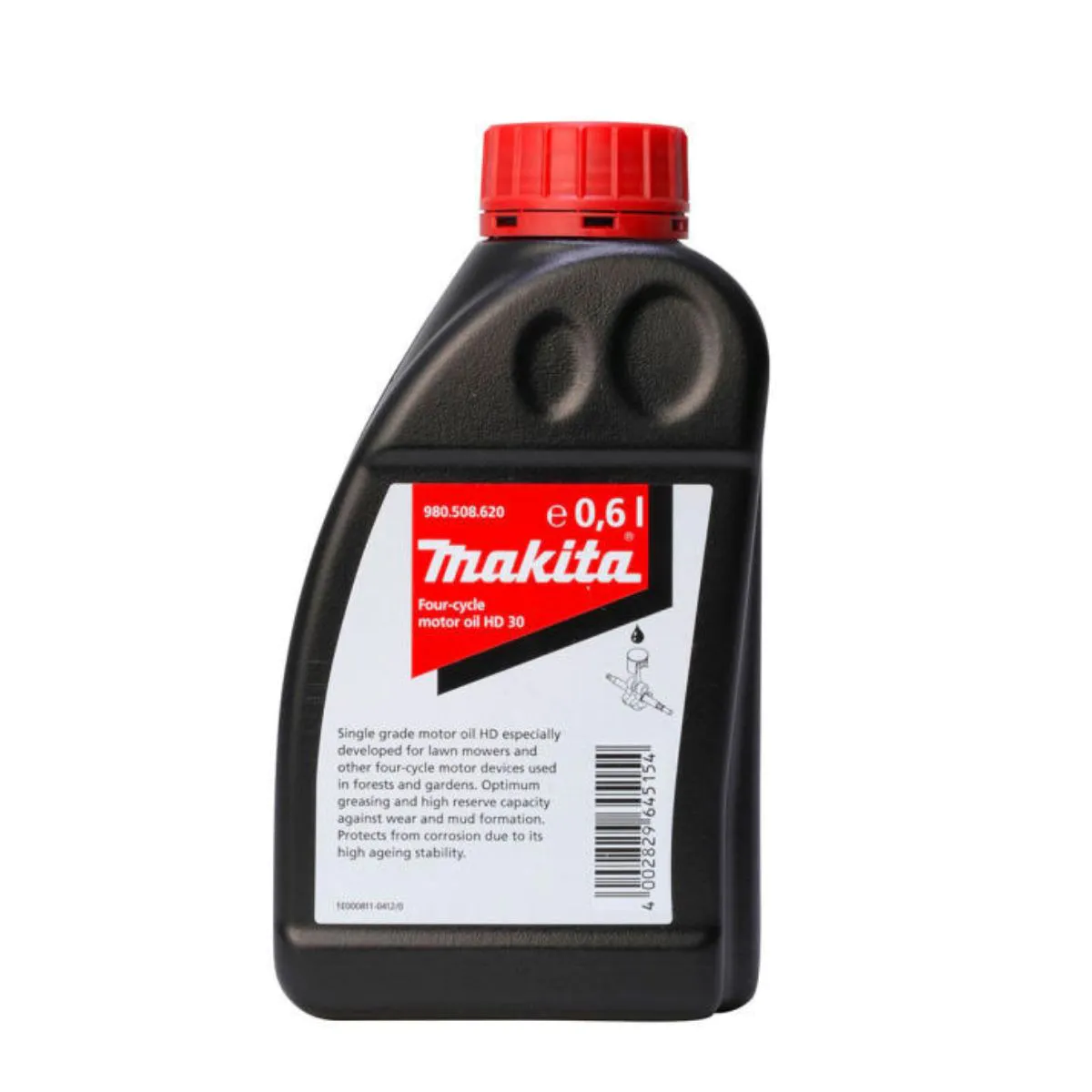
Oil for pneumatic tools
Oil for pneumatic tools for precise lubrication and protection
Air tool oil is a specialized lubricant for air-powered tools that operate on compressed air. It forms a thin oil film on moving parts, reduces friction, limits wear, and protects internal mechanisms from corrosion. For pneumatic wrenches, ratchets, grinders, drills, hammers, tackers, and paint spray guns, proper lubrication is directly linked to smooth operation, reduced heat buildup, and a longer service life for the machine.
The Pneumatic Tool Oil category offers lubricants for daily maintenance in workshops, service centers, installation crews, production facilities, or home garages. These oils are formulated for use in air lines, where moisture, dust, and high-frequency movement place stress on internal seals, rotors, vanes, and valves. The right lubricant ensures smooth movement of components and reduces the risk of jamming during prolonged use.
Application of Pneumatic Tool Oil
Pneumatic tool oil is applied through the machine's air inlet or fed through an oiler into the air system. For manual lubrication, a few drops are typically added before use, after which the tool is run briefly to distribute the oil through the internal channels. In stationary systems, the lubricator dispenses the lubricant evenly and is convenient for intensive professional use.
This type of oil is needed for automotive service, metal fabrication, woodworking with pneumatic nailers, construction and repair work, painting, and cleaning with compressed air. In impact mechanisms, the lubricant reduces stress on internal contact surfaces. In rotary machines, it promotes stable RPM and quieter operation. In tools with seals, it prevents rubber components from drying out and cracking.
How do oils for air-powered tools differ?
Oils in this class differ in viscosity, composition, packaging, and application method. Lower viscosity is practical for small pneumatic tools and high-speed mechanisms, where the oil must flow easily through narrow channels. Thicker variants are intended for higher-load components, provided the machine manufacturer's instructions permit it. Oil for pneumatic tools must maintain the lubricating film and not leave sticky deposits that interfere with valves and blades.
Packaging size also has practical significance. Small bottles are convenient for mobile technicians, toolboxes, and home maintenance. Larger containers are preferred in service shops and workshops with many air tools, where lubricant is dispensed frequently. For systems with an oiler, the oil should be easy to pour and compatible with the air preparation module's reservoir.
| Criterion | Practical significance |
|---|---|
| Viscosity | Affects flow through air lines and performance at different temperatures. |
| Compatibility | Complies with the specifications for the specific pneumatic tool and its seals. |
| Application | Manual drip lubrication or metering via an oiler in the air line. |
| Packaging | Small bottle for mobile use or larger packaging for service and workshop use. |
Choosing Pneumatic Tool Oil
When selecting oil for pneumatic tools, the key factors are the type of machine, the intensity of use, and the environment in which maintenance is performed. For impact wrenches, ratchets, and impact tools, a lubricant is needed that can withstand short but intense loads. For grinders, drills, and other rotary tools, the focus is on uniform lubrication at high speeds. For pneumatic tackers and staple guns, clean operation without the buildup of resinous residues is essential.
Compatibility with seals, hoses, quick-connect fittings, and lubricators is essential for the safe operation of the system. The wrong lubricant can impair valve movement, contaminate the air line, or shorten the life of internal components. Therefore, it is advisable to follow the tool manufacturer's technical guidelines, including the recommended oil grade, lubrication frequency, and acceptable dispensing method.
Pneumatic System Maintenance
Oil for pneumatic tools works best in a well-prepared air line equipped with a filter, regulator, and, if necessary, an oiler. The filter traps condensation and particles, the regulator maintains stable pressure, and the oiler delivers small amounts of lubricant to the tool. For tools that should not receive oil through the line, such as certain painting applications, lubrication is performed separately and carefully to prevent oil from getting onto the painted surface.
Regular maintenance includes cleaning the air inlet, inspecting the hoses and quick-connect fittings, draining condensation from the compressor, and periodic lubrication based on usage. After working in a dusty environment, it is advisable to blow out the tool and add a small amount of oil to protect the internal components until the next shift. This keeps the pneumatic tool ready for use and ensures consistent performance at startup.
Oil for pneumatic tools at Toolsbox.bg
Oil for pneumatic tools is a small but very important consumable for every workshop, service center, and assembly kit with air-powered machines. Proper lubrication reduces wear, ensures smooth operation of the mechanisms, and facilitates scheduled equipment maintenance. At Toolsbox.bg, you can choose oil for pneumatic tools based on the type of machine, the dispensing method, and the required packaging size to keep your pneumatic tools in good working condition.