
Fruit picker
Fruit picker for easy and gentle fruit harvesting
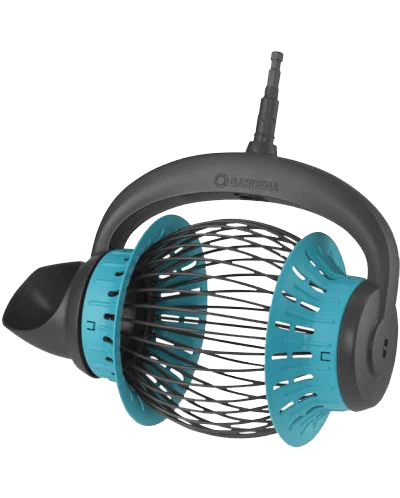
A garden fruit picker makes it easy to harvest apples, pears, plums, peaches, and other fruits from higher branches without unnecessary climbing or shaking the tree too much. This garden tool is particularly useful for fruit trees with dense canopies, ripe fruits with delicate skin, and for working in a home orchard. Thanks to a well-shaped head, teeth or a cutting edge, and a collection bag, the fruit is separated from the stem and held in place instead of falling to the ground.
The fruit picker saves effort, protects the harvest from damage, and makes picking more organized. Toolsbox.bg offers models for hobby gardeners, owners of small orchards, and consumers looking for a practical hand tool for seasonal work. When chosen correctly, such a tool helps harvest ripe fruit more quickly, reduces the need to move a ladder, and allows you to reach branches that would otherwise be difficult to pick.
What fruit pickers include
Different fruit pickers vary in the shape of the working head, material, method of attachment to the handle, and bag capacity. The classic version features a round or oval head with teeth that grip the fruit and detach it with a gentle motion. After being picked, the fruit falls into a fabric bag or basket, which cushions the impact and minimizes damage.
In some models, the head is made of metal for greater durability during regular use, while in others it is made of lightweight plastic for lower weight and more comfortable handling during prolonged harvesting. The bags can be made of fabric, mesh, or another flexible material; what matters most in practice are sturdy seams, sufficient depth, and easy cleaning after finishing work. Some models come with a telescopic handle, while others require a separate handle with a compatible thread or grip.
Applications in the garden and orchard
The fruit picker is invaluable during seasonal harvesting when part of the crop is located in the upper part of the tree or on the outer branches of the crown. It makes it easier to reach fruits that are visible but difficult to pick by hand. The tool is practical for apples and pears because these fruits are often picked gently to ensure they keep longer after harvesting. With softer fruits, the smooth motion and reduced force are important to prevent bruising.
Using a fruit picker is also helpful in yards with uneven terrain, wet grass, or tight spaces around the tree where a ladder doesn't stand steadily. The tool doesn't completely replace manual picking from low branches, but it complements garden equipment where height creates inconvenience. This makes harvesting more relaxed, with less risk to the person and less damage to the fruit.
Choosing Based on the Tree, Fruit, and Working Height
When choosing a fruit picker, it is wise to consider the height of the trees, the size of the fruit, and the frequency of use. For taller trees, look for a model that comes with a telescoping handle or a sufficiently long pole. For larger fruits, a wider head and a deeper bag are needed to prevent them from falling out as they descend to the ground. For smaller fruits, a more compact head provides better control among dense branches.
Weight also plays a practical role during prolonged use. A lighter design causes less fatigue in the hands and shoulders, especially when the handle is long. On the other hand, metal components offer greater durability with frequent use. The balance between weight, durability, and working range determines comfort during actual harvesting.
Compatibility with Handles and Telescopic Poles
The fruit picker's compatibility with the handle is essential for stable operation. Before purchasing, compare the type of grip, thread, or hole diameter with the handle you already have. For telescopic poles, pay attention to the locking mechanism and stability when extended. The longer the handle, the more important it is for the head to remain stationary, without twisting or play.
Wooden handles are sturdy and easy to replace, aluminum ones are lightweight and comfortable for longer reach, and telescopic options offer flexibility for different trees. For regular work in an orchard, it's helpful to choose a combination that allows for quick assembly, secure locking, and easy cleaning after harvesting.
Materials, Safety, and Maintenance
The material of the working head affects durability, weight, and feel during use. Metal heads are preferred for more intensive harvesting and harder fruits, while plastic ones are lightweight and convenient for home use. The bag should be sturdy enough to hold the weight of several fruits but soft enough not to damage them.
For safe operation, hold the tool with both hands, maintain a stable stance, and do not pull the branches abruptly. When harvesting overhead, lower the fruit picker smoothly to prevent the bag from tipping over. After use, remove leaves, dust, and fruit debris, dry the metal parts, and store the tool in a dry place. Regular maintenance extends the tool's lifespan and ensures smooth operation in future seasons.
Fruit picker for home and professional use
The fruit picker is useful both in a small family garden and for more regular work in orchards. For home use, a lightweight model with a convenient bag and compatibility with an existing handle is often sufficient. For more frequent use, look for a sturdier head, a stable grip, and a handle with a good grip. This way, the tool will meet the actual conditions in the garden and make harvesting more comfortable.
Choose a fruit picker from Toolsbox.bg based on the height of the trees, the type of fruit, and your working style. A properly selected model will help you harvest more gently, safely, and with less effort.