
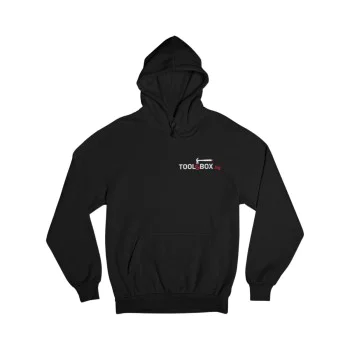
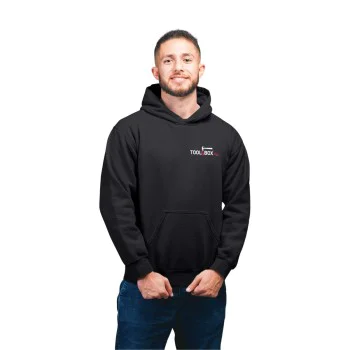
Work sweatshirts
Work sweatshirts for comfort and protection throughout the workday
Work sweatshirts are practical workwear for people who spend hours on the move, in a service center, workshop, warehouse, construction site, or performing outdoor tasks. They protect the body from the cold, allow for free movement, and pair easily with work pants, jackets, vests, and thermal underwear. During repairs, installation, machine maintenance, or work with hand tools, a comfortable sweatshirt reduces discomfort from fluctuating temperatures and provides the necessary flexibility without added weight.
Within the category of work shirts, this type of garment falls between a lightweight T-shirt and a heavier jacket. Work sweatshirts can be worn on their own in cool environments, under outerwear during the cold season, or over a T-shirt during active work. The various models differ in cut, fabric, thickness, type of fastening, presence of a hood, pockets, elastic cuffs, and additional details for more practical use.
Applications in construction, maintenance, and workshops
Work sweatshirts are valued for tasks where the body needs to remain protected without the clothing hindering movement. In construction, they are suitable for finishing work, drywall installation, loading, unloading, and on-site activities on cooler days. In a service environment, they are comfortable for working with machines, tools, power tools, and equipment, where the arms must move freely and the garment should not snag easily.
For warehouses, logistics, and production facilities, the sweatshirt is a practical part of workwear because it's quick to put on, protects against drafts, and pairs well with work boots, gloves, and protective accessories. For home use Work sweatshirts are useful for garage repairs, yard work, household chores, and hobby projects where regular everyday clothing wears out more quickly.
Types of work sweatshirts by cut and fastening
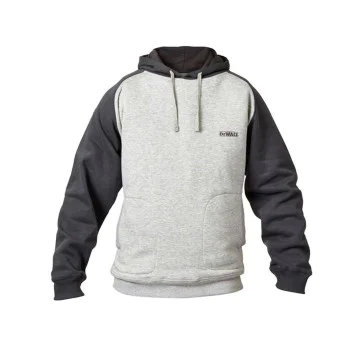
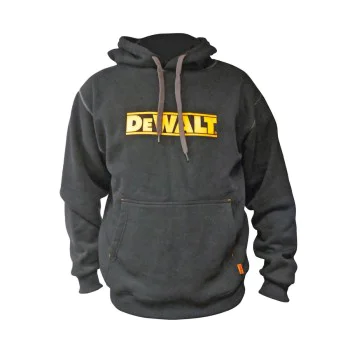
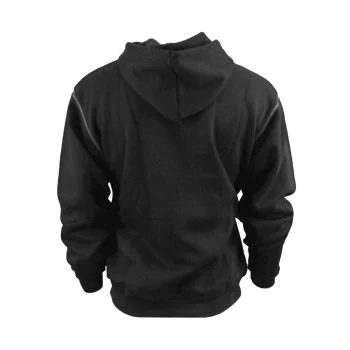
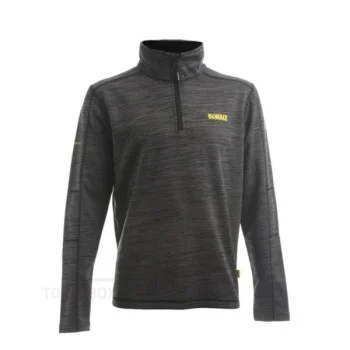
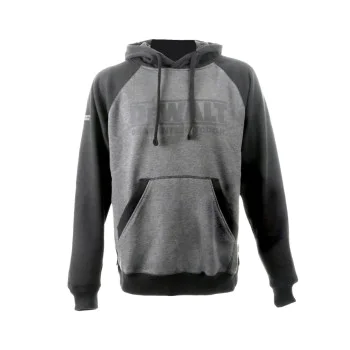
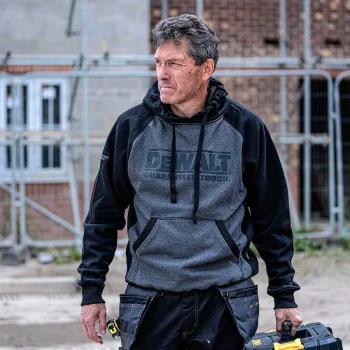
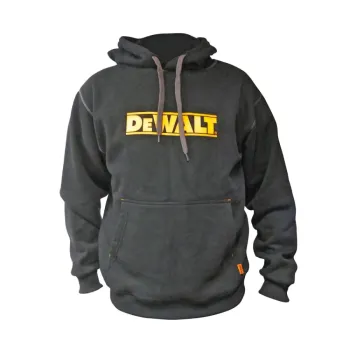
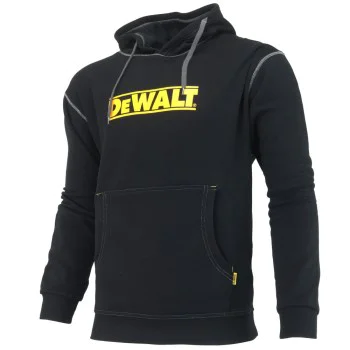
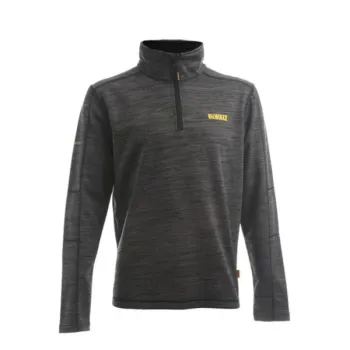
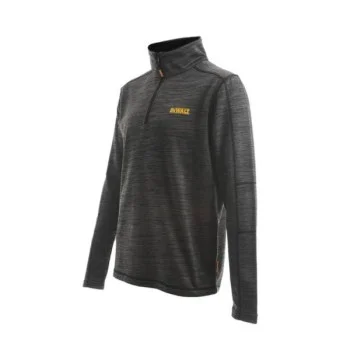
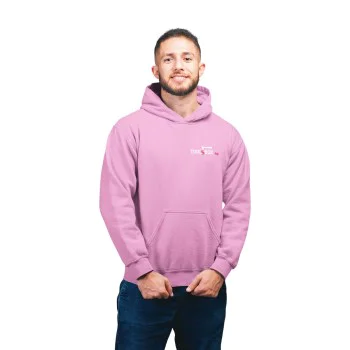
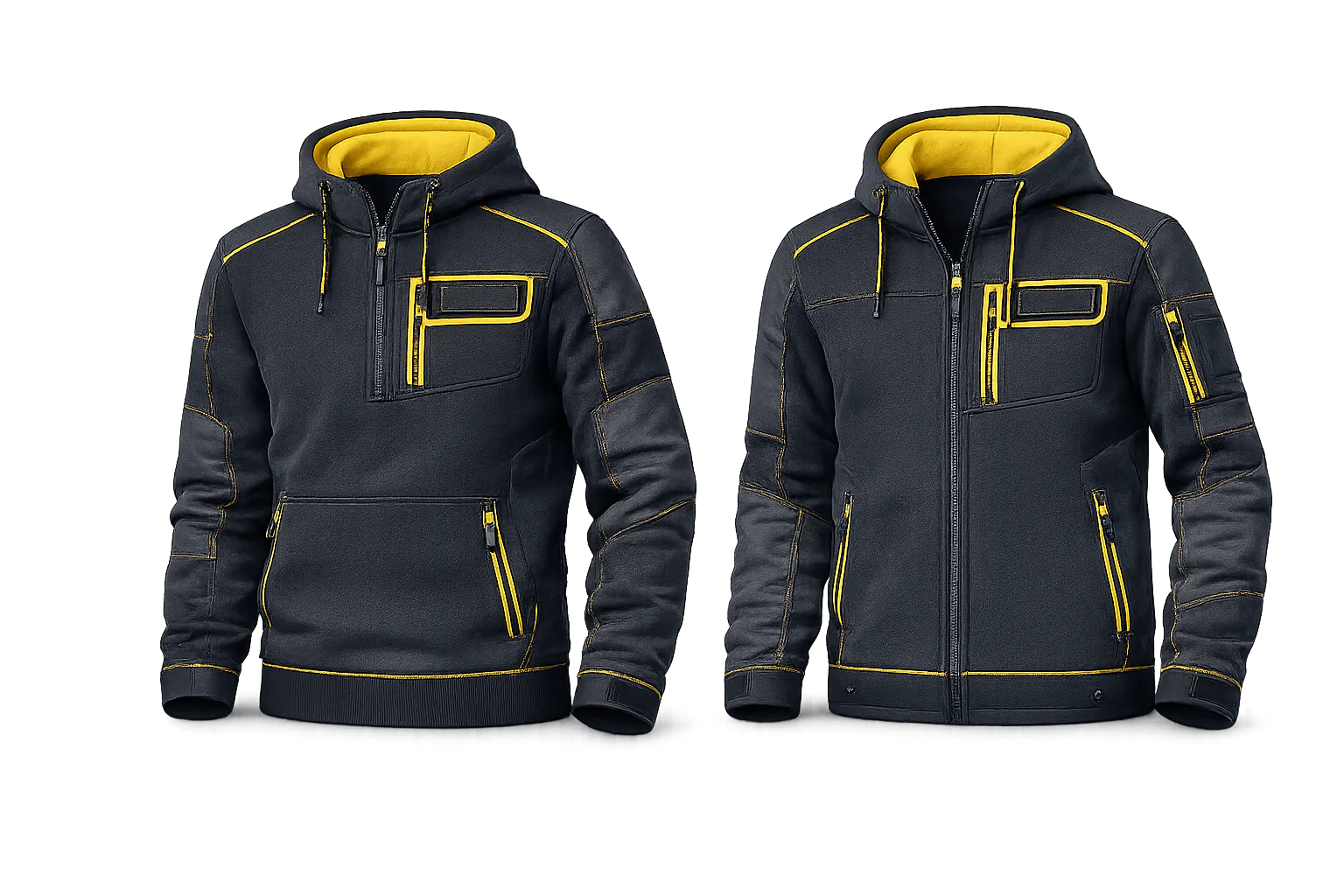
The choice of model depends on the type of work and personal style preferences. Full-zip sweatshirts are easy to take off when the temperature changes and allow for quicker ventilation during physical activity. Models without a zipper fit more snugly against the body and are comfortable under a jacket or vest. Hooded options provide extra protection for the head and neck, while high-collar models are a good choice in drafty conditions and for outdoor work.
| Model Type | Practical use | What to look for |
|---|---|---|
| Full-zip | Service, warehouse, outdoor activities with variable temperatures | Zipper quality, ease of fastening while wearing gloves |
| No zipper | Wearing under a jacket, installation, repair, and tasks involving a lot of movement | Elastic cuffs and freedom of movement in the shoulders |
| With a hood | Outdoor work, gardening, loading and unloading | Hood shape and whether it restricts visibility |
| With pockets | Carrying small accessories, a marker, a tape measure, or a phone | Location and depth of the pockets |
Fabrics, density, and comfort
The fabric determines the feel, warmth, and durability. Cotton blends are soft against the skin and are preferred for extended wear indoors. Polyester adds better abrasion resistance, faster drying, and easier maintenance. Blended fabrics combine softness and durability, making them a good choice for daily professional use.
Fabric weight should be chosen based on the season and work environment. Lighter work sweatshirts are comfortable for transitional seasons, heated workshops, and active work where the body heats up quickly. Heavier models provide more warmth in open-air settings, cold warehouses, and for morning tasks outdoors. The soft inner side enhances comfort, while the smooth outer surface is easier to clean of dust and light stains.
Size, freedom of movement, and compatibility with other clothing
The right size is important for safety and comfort. A sweatshirt that's too tight restricts movement when lifting, bending, and working overhead. A model that's too loose gets in the way when working with machinery, rotating parts, ladders, and in tight spaces. A good fit leaves enough room in the shoulders and chest, and the cuffs keep the sleeves tucked in when working with tools.
Work sweatshirts pair well with a thermal shirt in cold weather, a work vest when more pockets are needed, or a waterproof jacket in rain and wind. For professional use, it makes sense to choose several models with different weights to cover different seasons and tasks. Color also has practical value: darker shades hide dirt, while brighter options improve visibility around machinery, vehicles, and construction sites.
Details that make work easier
Small design features have a big impact on everyday comfort. Kangaroo pockets are convenient for warming your hands and carrying small items, while zippered side pockets better secure a phone, keys, or small supplies. Elastic cuffs and a hem prevent cold air from entering and keep the garment secure while moving.
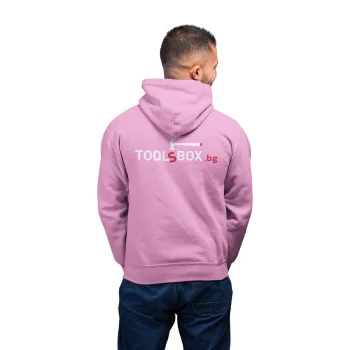
For models with a hood, ensure that the straps and shape do not interfere with safety goggles, ear protection, or a helmet when worn. When working with power tools, grinding, cutting, or assembling, the garment should fit snugly against the body, with no loose ends near rotating parts. For activities involving sparks, hot surfaces, or specific hazards, specialized protective clothing should be selected based on the specific task.
Care and extended garment life
Proper care preserves the shape, color, and softness of the fabric. Sweatshirts should be washed according to the label instructions, with zippers closed and the garment turned inside out. This reduces wear on the outer surface and preserves prints, reflective details, or decorative elements, if present.
If heavily soiled with dust, oils, or construction mixtures, it is best to treat stains promptly with a detergent compatible with the fabric. Drying at a moderate temperature helps preserve the elasticity of the cuffs and the garment's shape. Rotating several work sweatshirts for daily use reduces the wear and tear on each individual garment and extends its lifespan.
Choose a work sweatshirt based on your tasks
When purchasing, consider the season, work environment, required freedom of movement, type of fastening, pockets, and compatibility with the rest of your workwear. For service and workshop use, models with a fitted cut and comfortable cuffs are practical. For outdoor work, thicker fabrics, a hood, or a high collar provide more comfort. For warehouse and assembly work, sturdy pockets and easy-to-put-on designs are useful.
Browse work sweatshirts at Toolsbox.bg and choose a model that suits your work style, seasonal conditions, and the protection you need throughout the day. This way, workwear becomes a comfortable part of your equipment alongside the tools, accessories, and supplies you use for every task.