
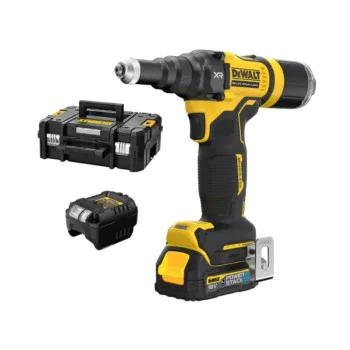
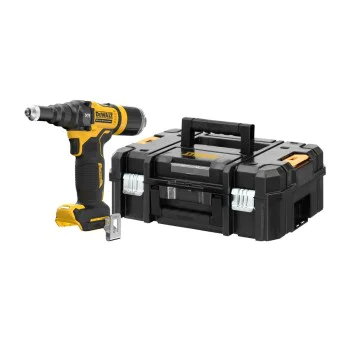
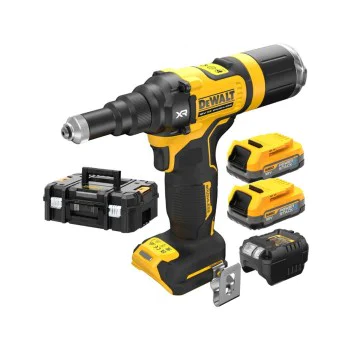
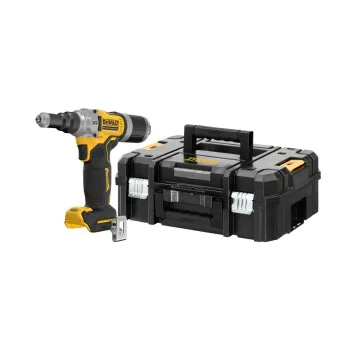
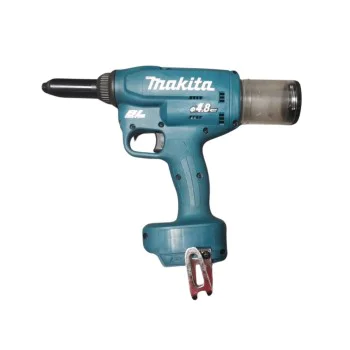
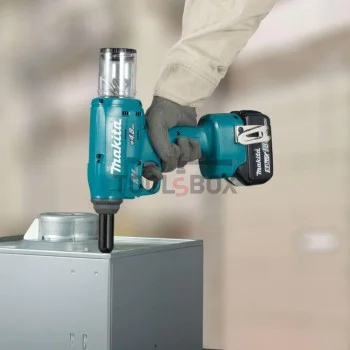
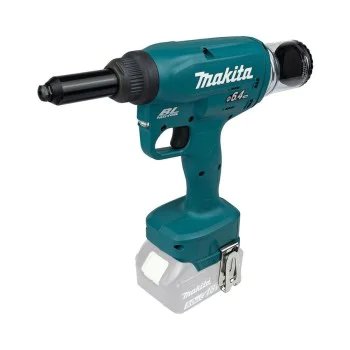
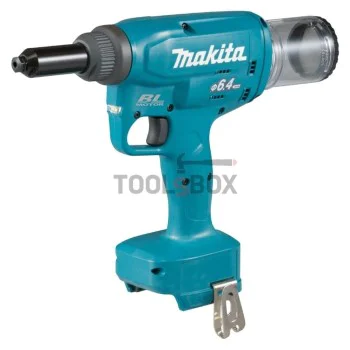
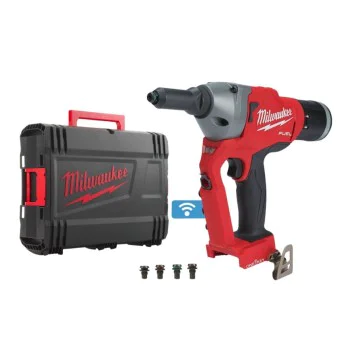
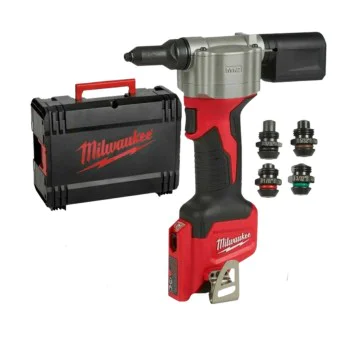
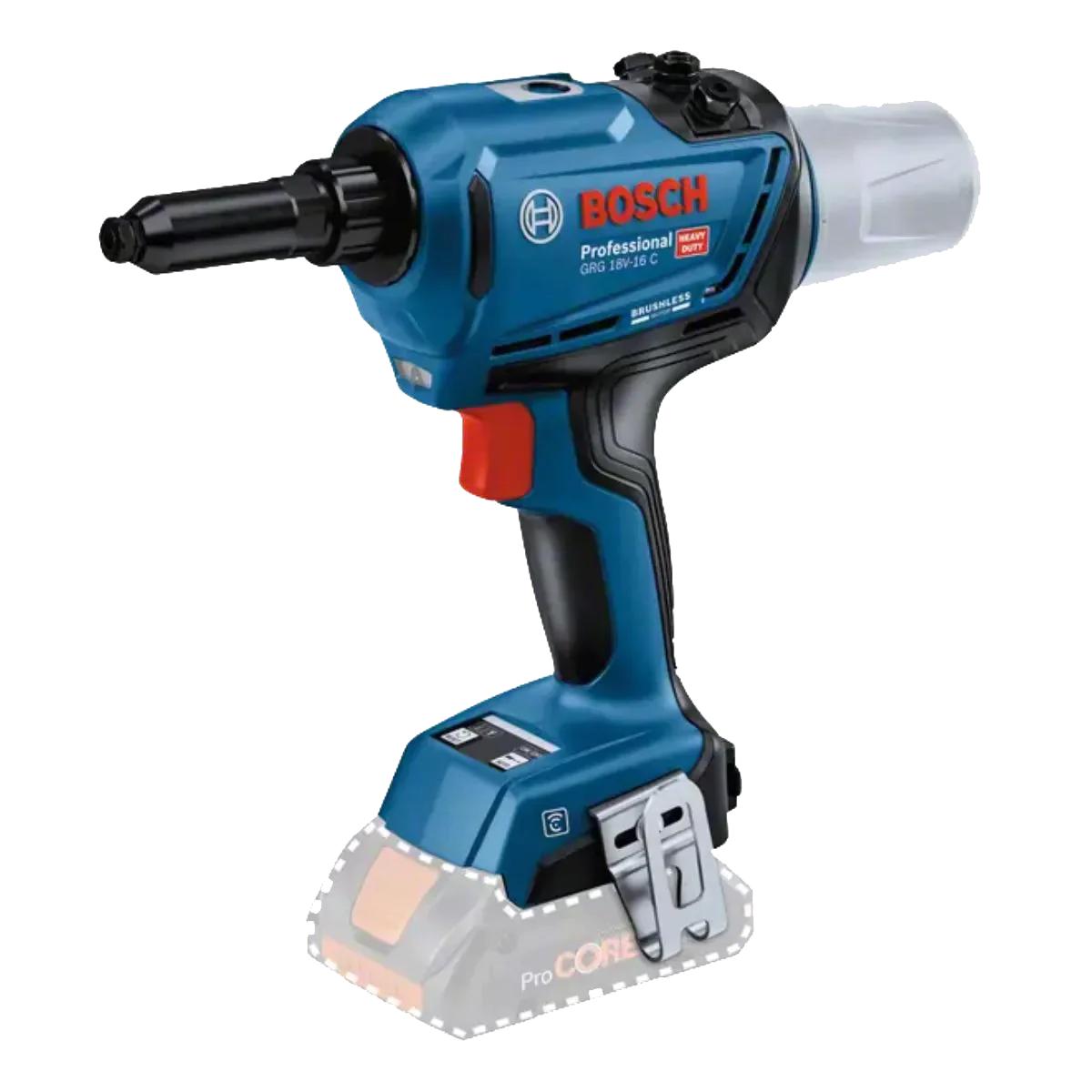
Rechargeable riveters
Cordless riveters for fast, cordless riveting
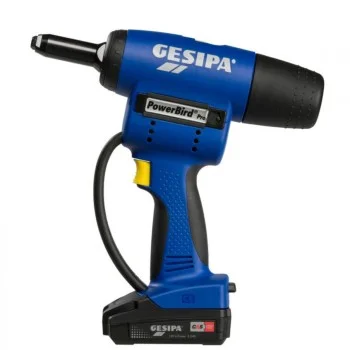
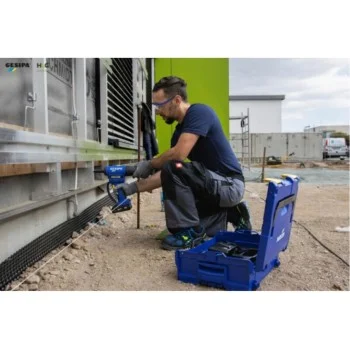
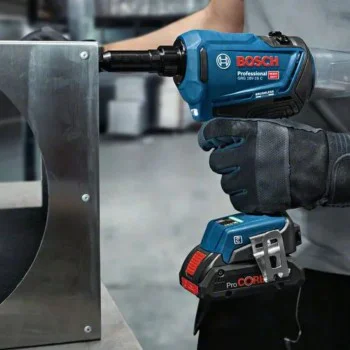
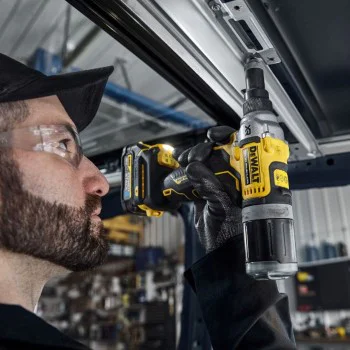
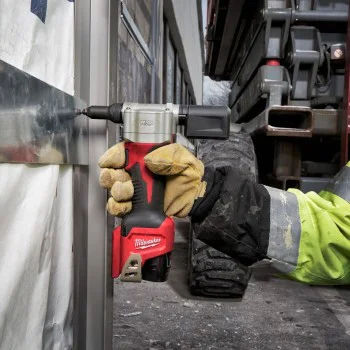
Cordless riveters are practical tools for setting blind rivets during installation, repair, and maintenance work, where freedom of movement is just as valuable as consistent driving force. They replace manual riveters during prolonged use and eliminate the need for a compressor, hoses, and pneumatic systems. This allows the operator to work comfortably on a ladder, scaffolding, roof, in tight spaces, in a workshop, or directly on-site.
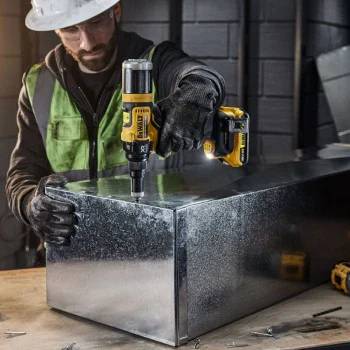
This type of cordless tool is valuable for assembling sheet metal parts, metal profiles, aluminum structures, ventilation ducts, signs, enclosures, cladding, doors, and garage and service equipment. Riveting is a fast method for a durable mechanical connection, and the cordless riveter ensures consistent pressure and uniform breaking of the mandrel with every operation.
What do cordless riveters cover?
This group includes machines for working with blind rivets of various diameters, lengths, and materials. Some models are designed for regular professional use, while others are a practical choice for installers, craftsmen in small workshops, and demanding DIY enthusiasts. The differences between the various models are most noticeable in terms of load capacity, pulling force, stroke length, cycle speed, and ease of use.
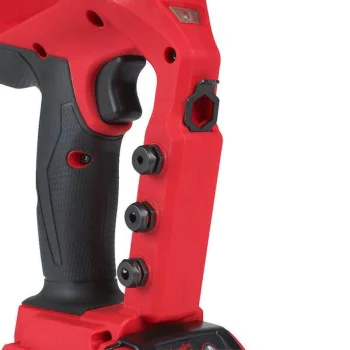
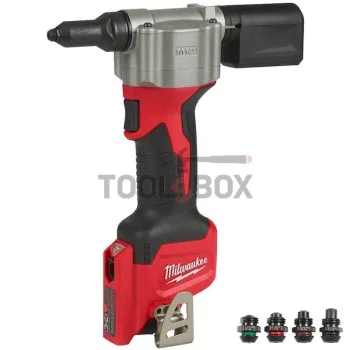
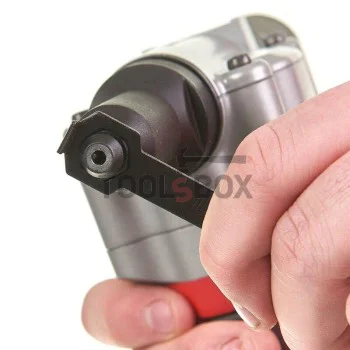
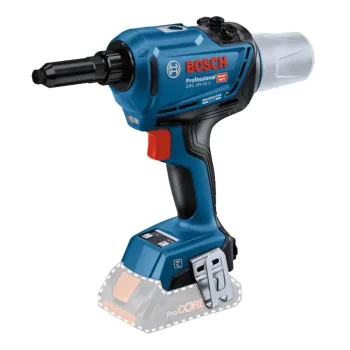
The main components of a cordless riveter are the electric motor, the gearbox, the pulling mechanism, the interchangeable tips for different rivet sizes, the container for broken mandrels, and the battery pack. Some models use a brushless motor, which reduces motor wear and maintains stable operation during a series of operations. The ergonomic handle, balanced weight, and well-positioned trigger reduce fatigue during overhead installation or long work shifts.
Applications in assembly, repair, and maintenance
Cordless riveters are ideal for tasks requiring a clean and quick connection without access to the back side of the workpiece. The blind rivet is placed on one side of the material, tightened by pulling the mandrel, and secures the joint. This makes them valuable when working with sheet metal, aluminum, thin-walled profiles, plastic panels, composite elements, and composite materials.
- Construction installation: fastening of cladding, facade elements, metal strips, ventilation components, and protective covers.
- Auto repair and bodywork: fastening panels, sills, struts, and decorative and functional metal parts.
- Workshop and manufacturing: mass production of boxes, cabinets, frames, panels, sheet metal products, and aluminum profiles.
- Home repairs: installation of metal structures, garden sheds, fences, gates, shelves, and small fasteners.
Selection based on rivets, material, and load
The right cordless riveter is determined by the type of rivets, the frequency of use, and the environment in which it will be used. The rivet diameter is one of the key parameters: smaller sizes are suitable for thin sheet metal and light-duty assemblies, while larger ones require a more powerful machine with higher torque. The length of the rivet is determined by the total thickness of the materials being joined to ensure a tight and clean fastening.
The material of the rivet also influences the choice. Aluminum rivets are easier to install and are often preferred for lightweight structures. Steel and stainless steel variants require a more powerful pulling mechanism and a more durable head. When working with different materials, it is important to ensure compatibility between the tool, the rivet diameter, and the machine's technical specifications.
| Criterion | Practical significance |
|---|---|
| Rivet diameter | Determines the required pulling force and the type of interchangeable tip. |
| Pulling force | Affects operation with steel, stainless steel, and larger rivets. |
| Stroke length | A longer stroke makes it easier to set longer rivets. |
| Rechargeable platform | Compatible batteries reduce the need for additional chargers and batteries. |
| Weight and shape | These factors are important when working overhead, on a ladder, or during long runs. |
Battery, power, and ease of use
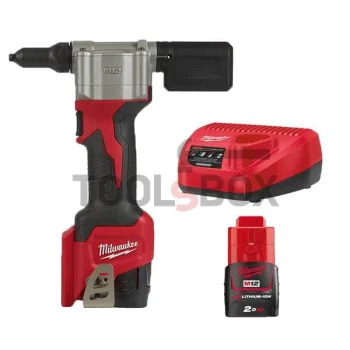
With cordless riveters, battery voltage and capacity affect the number of operations per charge and the machine's performance under load. A compact battery is sufficient for short installation jobs, while serial installation requires higher capacity or a spare battery. Compatibility with an existing battery system is a practical advantage, as a single battery can power multiple tools from the same platform.
Convenience is not determined by power alone. A riveter with a well-balanced body, LED lighting, convenient bit changes, and easy emptying of the rivet container saves time during actual work. When working in hard-to-reach areas, the head size and overall length of the machine are important. For workshops with repetitive operations, cycle speed, consistent cooling, and low vibration levels are more valuable.
Compatibility, Consumables, and Maintenance
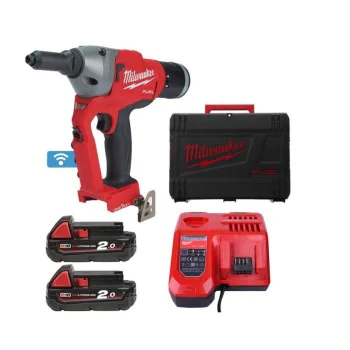
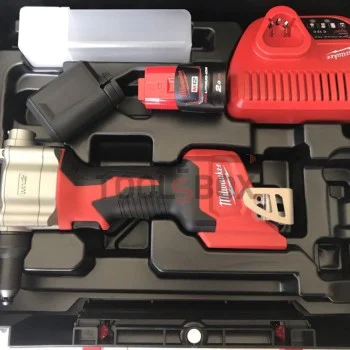
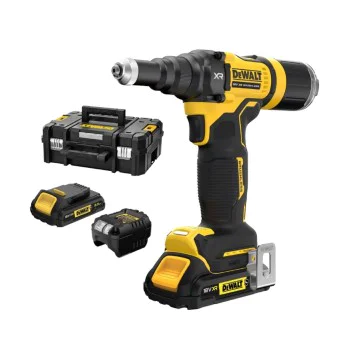
Blind rivets with the correct diameter, length, and material are typically selected for the cordless riveter. The tips must match the size of the rivet to prevent slipping, premature wear, or uneven breaking. Some professional models come with kits containing several tips, a replacement tool, and a container for used mandrels.
Regular cleaning of the jaws and the area around the nose section maintains a stable grip on the mandrel. Accumulation of metal particles, dust, or coating residues puts additional strain on the mechanism. It is good practice to periodically inspect the jaws, springs, and tips, and to replace them with exact spare parts if visible wear is detected. This ensures consistent performance and reduces the risk of damage to the rivet or the workpiece.
Safe and Clean Riveting
When working with a cordless riveter, the part must be securely positioned and the hole correctly drilled. The hole diameter must match the rivet to prevent a loose joint or material deformation. Safety goggles protect against metal particles, and gloves reduce the risk when working with sharp sheet metal edges. The rivet container is convenient for working at heights and keeps the work area cleaner.
Browse the cordless rivet gun options at Toolsbox.bg and select a machine based on the rivet diameter, pull force, battery platform, and your specific tasks. A well-matched riveter, the right consumables, and proper setup ensure quick installation, clean joints, and comfortable operation both in the workshop and on the construction site.