
Body feeders
Wire feeders - consumables and parts for MIG/MAG welding
Wire feeders for MIG/MAG welding operate with a continuous flow of welding wire, shielding gas, and a stable electrical connection between the torch and the workpiece. For a clean weld, uniform feed, and less spatter, properly selected consumables for wire feeders are required-current tips, gas nozzles, holders, diffusers, insulators, wire guides, rollers, and connecting elements. They are small in size but have a direct impact on arc stability, working comfort, and the life of the torch.
These types of consumables are used in workshops, auto repair shops, installation crews, construction teams, metal fabrication, machine repair, and home welding projects. Their selection must match the wire, the torch, the operating mode, and the material-carbon steel, stainless steel, aluminum, or flux-cored wires. This reduces interruptions, wire sticking, and wear on the contact areas.
What do consumables for wire feeders include?
In MIG/MAG welding, every component along the wire path has a specific function. The current tip transmits the welding current to the wire and must match its diameter. The gas nozzle directs the shielding gas to the welding zone and protects the weld from oxidation. The diffuser distributes the gas evenly, while the insulators protect the torch from unwanted electrical contact. The wire guides and hoses facilitate smooth movement from the spool to the torch, and the feed rollers ensure even grip without deforming the wire.
The various models differ in thread type, length, inner diameter, shape, material, and compatibility with a specific type of torch. Some torches use M6 threaded nozzles, while others use M8 or another standard. Gas nozzles can be cylindrical, conical, or tapered for access to hard-to-reach areas. The rollers are available with different channel profiles-V-shaped for steel wire, U-shaped for aluminum, and serrated for flux-cored wire.
Applications in welding and repair
Consumables for wire feeders are required for the fabrication of metal frames, repair of automotive parts, sheet metal welding, installation of fences, doors, shelving, tubular structures, and equipment maintenance. For thin materials, the correct current nozzle and a stable gas flow help ensure better heat control. For thicker parts, the higher load requires consumables that are resistant to heat and mechanical wear.
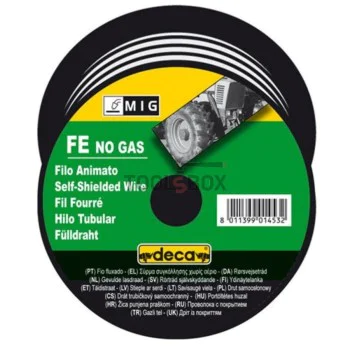
For gas-shielded welding, the choice of nozzle and diffuser affects the coverage of the weld pool. When welding with flux-cored wire without gas, the right rollers, good tip contact, and a clear wire path are more important. With aluminum wire, the focus is on gentle feeding, as the material deforms more easily than steel.
Selection based on wire, torch, and operating mode
When selecting consumables for wire feeders, the most reliable starting point is the torch marking and the welding wire parameters. The diameter of the hole in the current nozzle must match the wire-for example, 0.6, 0.8, 1.0, or 1.2 mm depending on the machine settings. A hole that is too narrow hinders feeding and increases the risk of jamming, while a hole that is too wide disrupts current stability.
- Wire diameter-depends on the material thickness and the machine's power.
- Torch type-the thread, length, and shape of the consumable must match the holder.
- Wire material-steel, stainless steel, aluminum, or flux-cored wire require different feeding methods.
- Operating current-for longer welding sessions, consumables with good heat resistance are preferred.
- Access to the weld - the shape of the nozzle facilitates work in corners, near edges, and in tight spaces.
When changing rollers, the channel must match the wire diameter, and the pressure must be sufficient for smooth feeding without slipping. Excessive pressure deforms the wire, contaminates the feed mechanism, and strains the motor. When selecting a wire guide, consider the hose length, inner diameter, and compatibility with the material.
Materials, Wear, and Maintenance
Current terminals are usually made of copper alloys for good electrical conductivity and heat resistance. For intensive use, options with better wear resistance are preferred, as the contact surface is under constant stress. Gas nozzles are exposed to spatter, slag, and high temperatures, so regular cleaning extends their life and maintains a consistent gas flow.
Signs of a worn-out consumable include an unstable arc, uneven feed, wire sticking, increased spatter, burner overheating, or a change in the welding sound. If these symptoms occur, start by checking the current tip, nozzle, and guide, then inspect the rollers and pressure settings. Timely replacement protects the machine from excessive strain and saves time during operation.
Compatibility and Safe Operation
Compatibility is crucial for consumables for wire-feeding machines. Even a slight discrepancy in the thread, length, or diameter leads to unstable contact, poor gas coverage, or difficult installation. Before ordering, it is helpful to check the specifications of the old part, the torch model, and the wire size. For professional use, it is practical to keep spare tips and nozzles on hand for the wire diameters used, as these parts wear out regularly.
When replacing consumables, the machine must be disconnected from the power supply, and the torch must be cooled down. Working with welding equipment requires a protective mask, gloves, splash-proof clothing, and good ventilation. Clean contact surfaces, a properly positioned nozzle, and a securely fixed tip reduce the risk of overheating and interruption during the weld.
Welding consumables for workshops, service centers, and installation
Well-selected consumables for wire feeders help ensure consistent results in production runs, repair work, and single welds. For service work, several sizes of current tips, spare nozzles, and rollers for different types of wire are often required. For a home workshop, it is sufficient to select compatible consumables based on the machine and the wire diameter used, with a supply of spare parts for the most heavily used components.
Browse the offerings at Toolsbox.bg and select the necessary consumables for wire feeders based on the torch, wire, and type of welding. The right combination of tip, nozzle, roller, and guide ensures more stable operation, a cleaner weld, and fewer unplanned interruptions.