
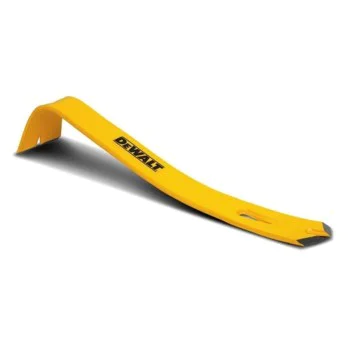
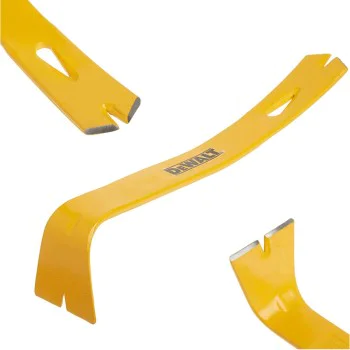
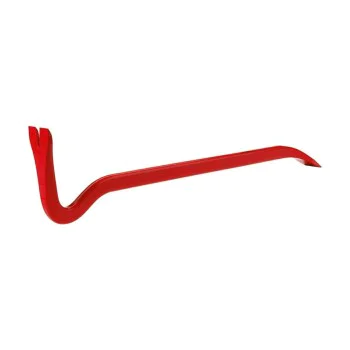
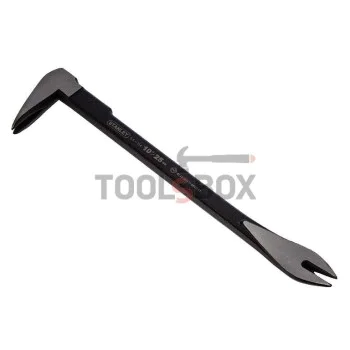
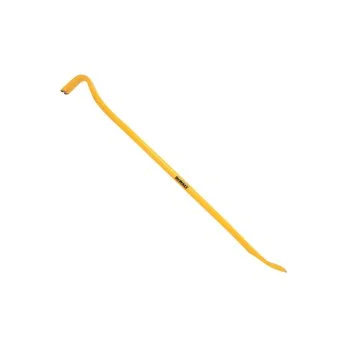
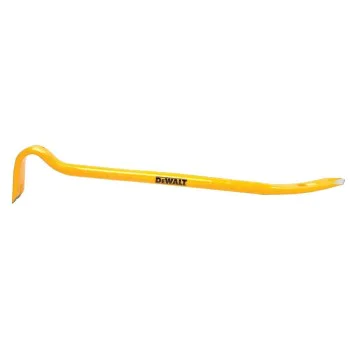
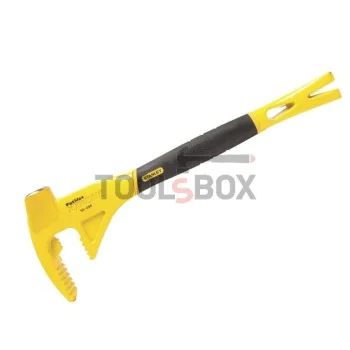
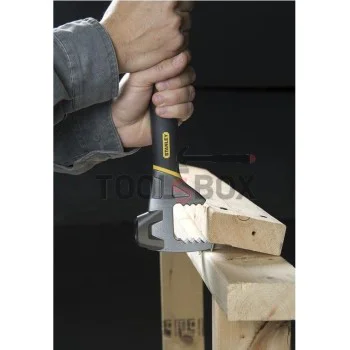
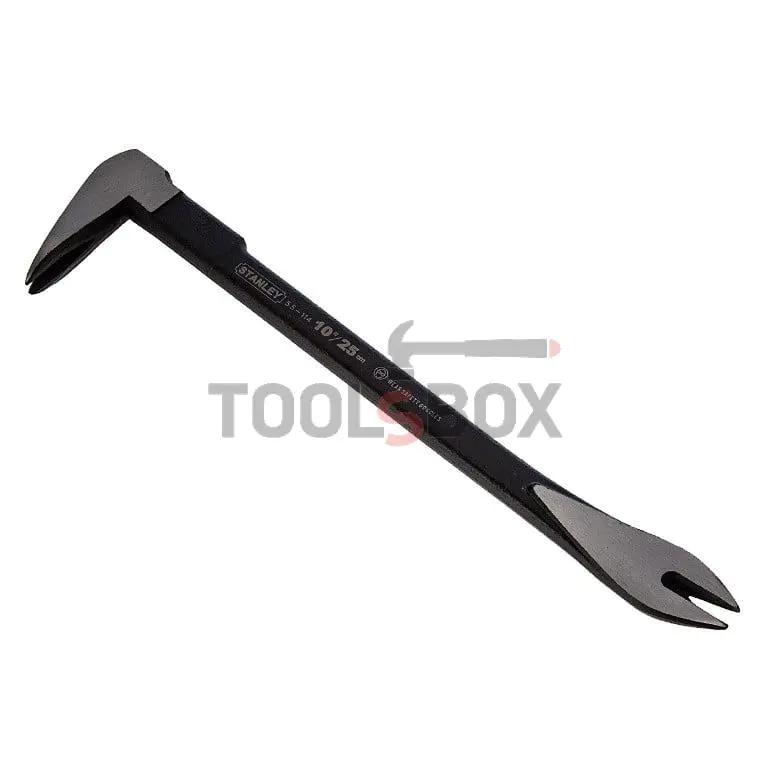
Goat leg
Goat's Foot for service work and installation of hard-to-reach joints
A goat's foot is an open-end socket designed for use with ratchets, extensions, sockets, and torque wrenches. This type of tool reaches nuts, fittings, and threaded connections located around pipes, cables, hoses, or housing components where a standard socket cannot fit. The open profile wraps around the fastener from the side, while the square drive connects the socket to the power tool. This allows for more precise work in tight spaces without the need to remove adjacent components.
Goat's foot-type models are a practical solution for auto repair shops, installation teams, machine repair, hydraulic systems, HVAC equipment, piping installations, and workshops. They are valued for operations involving brake lines, fuel lines, hydraulic fittings, sensors, connectors, compressors, and other components with limited access. For home use, they are useful for maintaining cars, motorcycles, agricultural machinery, or garage equipment.
What types of ratchet wrenches are available
This section may include individual sockets and sets with selected sizes. The differences between them are mainly related to the nut opening, the drive square, the body shape, and the working range. Metric sizes cover standard fasteners in millimeters, while inch versions are needed for machinery and assemblies with imperial threads. For more precise work, it is desirable for the socket size to match the nut to reduce the risk of rounding the edges.
The drive size is another important parameter. Smaller drive sizes pair with compact ratchets and work well for fine assembly tasks. Larger sockets are used with more powerful tools when the connection requires higher torque. Some sockets have a shorter body for working in confined spaces, while others have an elongated shape for reaching behind barriers or around bulky components.
Applications in service, installation, and maintenance
A ratchet is used where a classic wrench does not have sufficient reach, and a standard socket does not fit the fastener due to an intervening pipe or hose. In automotive repairs, this tool is useful for brake and fuel lines, lambda sensors, fittings, connectors, and fasteners around the engine. In industrial settings, it is used on hydraulic blocks, pneumatic assemblies, pumps, compressors, valves, and machine units.
When installing piping and HVAC systems, the open-end design allows for work around copper, steel, or flexible lines. This way, the nut can be tightened or loosened without pinching the pipe. When working with a torque wrench, a ratchet is valuable for controlled tightening when the manufacturer of a given assembly requires a precise torque, but access does not allow for a standard socket.
How to choose the right ratchet
Selection starts with the fastener size and the workspace. If the opening is too large, contact with the nut will be poor. If it is too small, the socket will not fit properly. Consider the fastener's profile, the access around it, and the tool you will be using.
- Socket size: choose metric or inch size depending on the nut, fitting, or coupling.
- Square drive: Match the bit with a ratchet, extension, or torque wrench with the same square drive.
- Shape and length: Short models are convenient for tight spaces, while longer ones reach fasteners behind partitions.
- Material: Alloy steel and precision manufacturing increase durability under load.
- Set or single size: a set is ideal for service work involving multiple sizes, while a single socket is practical for a specific task.
Working with a torque wrench
When tightening with a torque wrench, the geometry of the ratchet head affects the applied torque, especially when the socket extends the tool's arm. For precise work, ensure the socket is properly aligned with the wrench and the torque setting is correct. For critical connections, follow the technical specifications of the machine, vehicle, or equipment you are working with.
Compatibility, Safety, and Maintenance
Before use, verify the drive square, fastener size, and the tool's load capacity. The socket must fit snugly over the nut, without twisting or side-slipping. Do not excessively extend the arm with pipes or improvised levers, as this puts strain on both the bit and the fastener. For seized connections, use a penetrating fluid, an appropriate loosening technique, and a stable support for the tool.
Regular maintenance extends the service life of the sockets. After use, clean off traces of oil, dust, and metal particles, dry the tool, and store it in a case or organizer. For sets, arranging them by size speeds up work and reduces the risk of losing individual components. Damaged, cracked, or visibly deformed bits should not be used on loaded joints.
Goat's foot for precise work in confined spaces
A properly selected gooseneck saves time during repairs and installation, improves access to complex assemblies, and reduces the need to remove adjacent parts. Browse the offerings at Toolsbox.bg and select the size, set, and adapter square according to the tasks in your service center, workshop, or garage.