
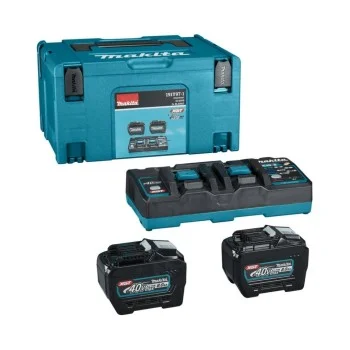
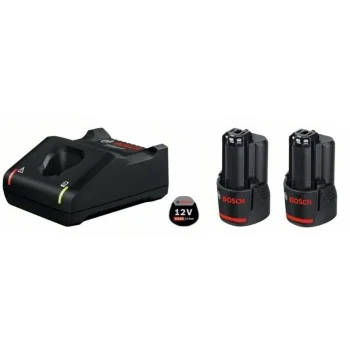
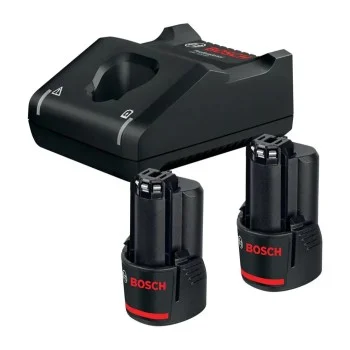
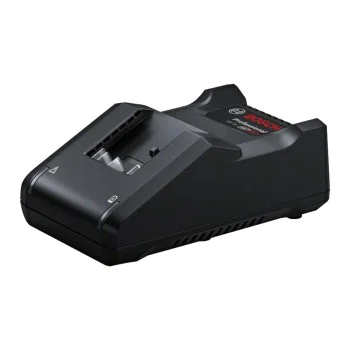
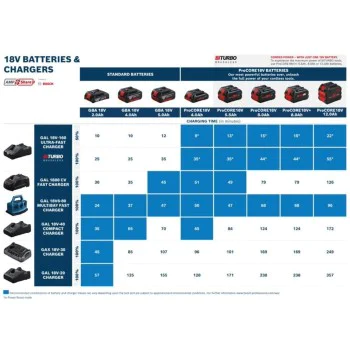
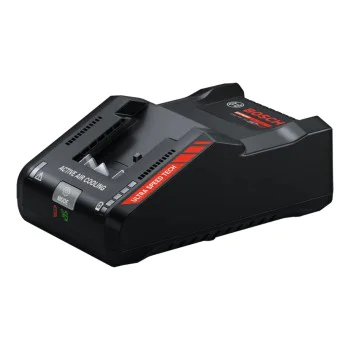
-350x350.jpeg.webp "Charger - Bosch, GAL 18V-20 for Li-Ion 18 V batteries, 2607226281")
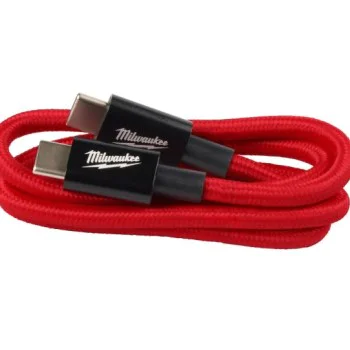
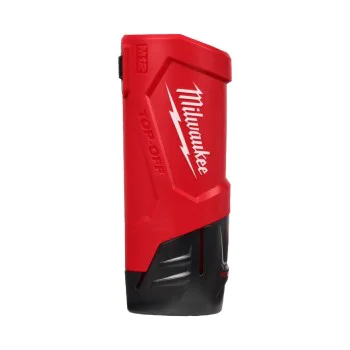
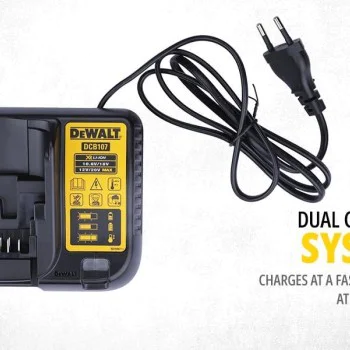
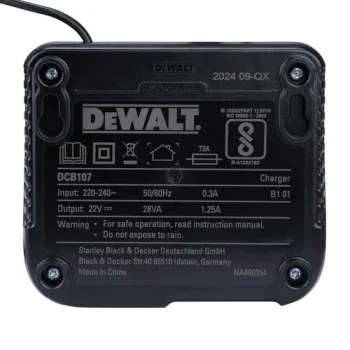
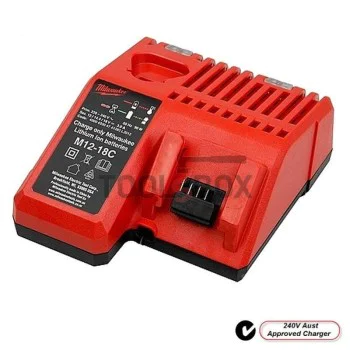
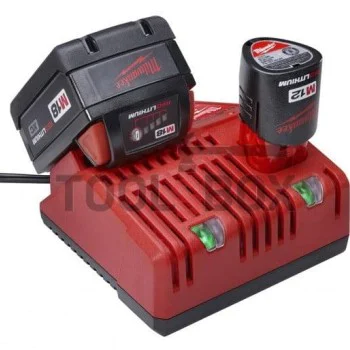
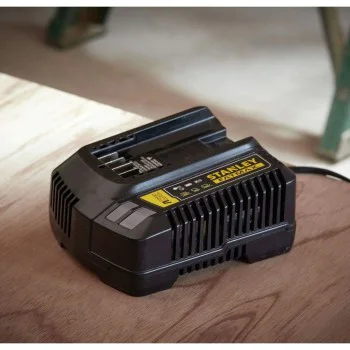
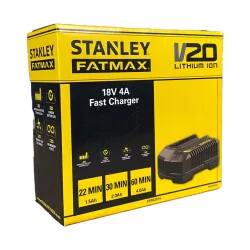
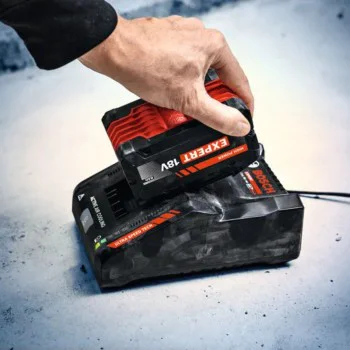

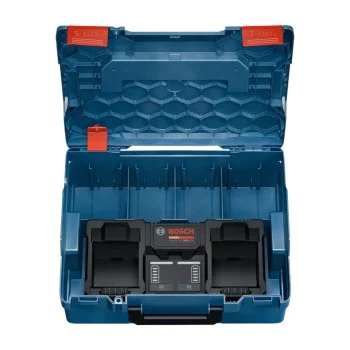
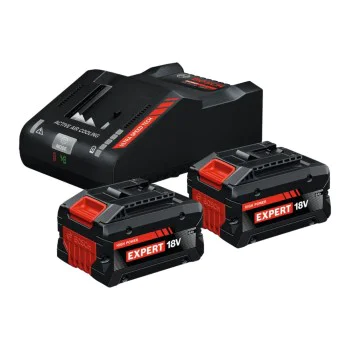

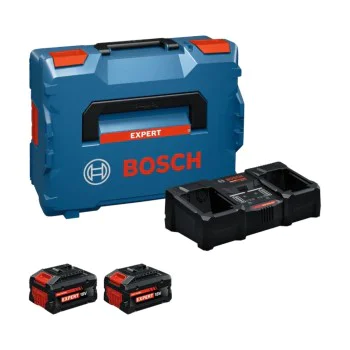
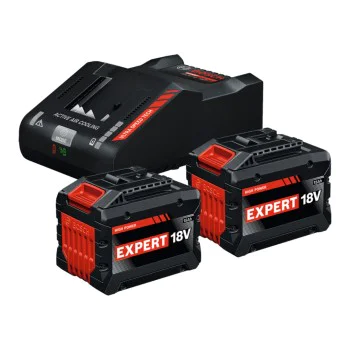
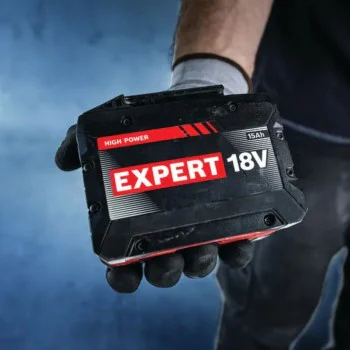
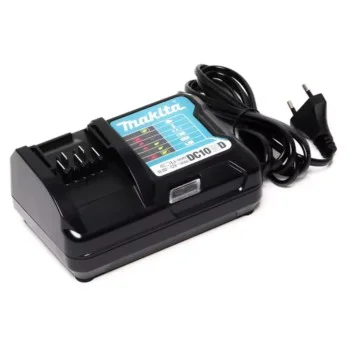
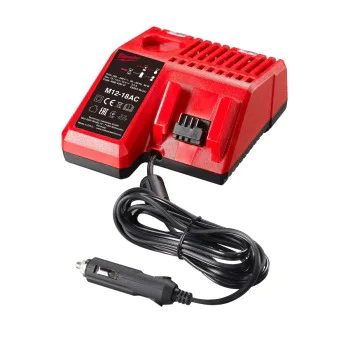
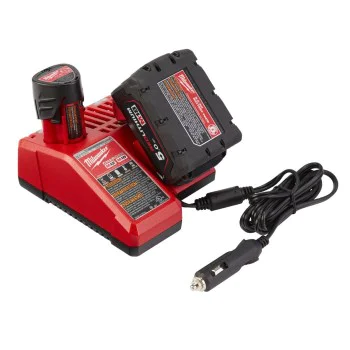
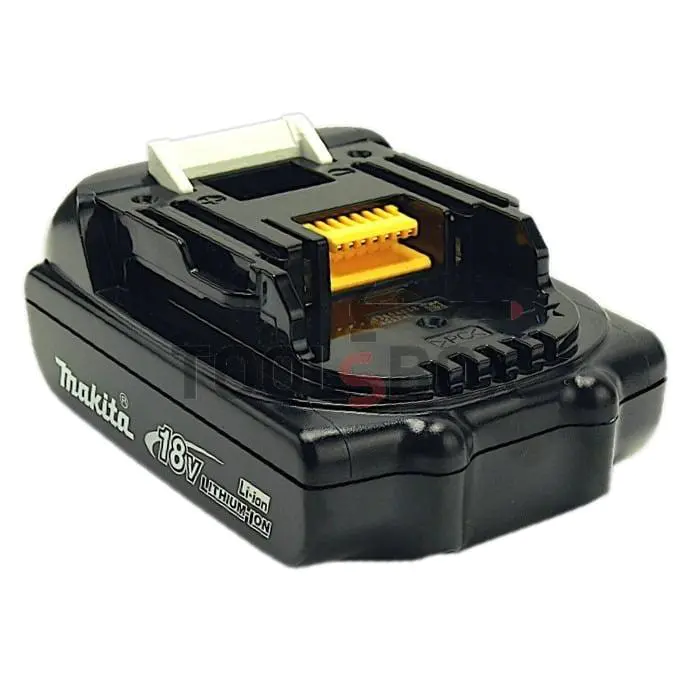
Chargers for rechargeable batteries
Chargers for rechargeable batteries for machinery, tools, and service equipment
Rechargeable battery chargers ensure uninterrupted operation of cordless machines, power tools, garden equipment, measuring instruments, and service equipment. The selected charging module restores the battery's capacity with the correct charging mode and protects the cells from overcharging, overheating, and incorrect current. This ensures the tool remains ready for use during repairs, installation, maintenance, construction work, or tasks in the workshop.
This section includes chargers for various rechargeable batteries-battery packs for machinery, replaceable batteries for power tools, compact rechargeable cells, and specialized batteries for professional equipment. Models differ in voltage, charging current, battery chemistry, connector, number of sockets, display type, and safety features. These parameters affect charging speed, compatibility, and convenience in daily use.
Main Applications of Battery Chargers
Chargers are used wherever autonomous power is part of the workflow. For cordless screwdrivers, impact wrenches, angle grinders, circular saws, hammer drills, and jigsaws, they ensure that spare batteries are ready between operations. In service centers and workshops, they are invaluable when servicing multiple tools, where charging time and proper battery organization directly impact the workflow.
For garden equipment, the charger is needed to maintain batteries for lawn mowers, trimmers, hedge trimmers, chainsaws, and sprayers. For home use, it helps the user keep cordless tools ready for repairs, furniture assembly, small installations, and seasonal maintenance. For professional use, models with better cooling, clear status indicators, and a sturdy housing are preferred, as they operate more frequently and for longer periods.
How do different chargers differ?
The most significant difference is battery compatibility. The charger must match the battery pack's voltage, cell type, and contact system. Lithium-ion batteries require a different charging mode than nickel-metal hydride or lead-acid batteries. An incompatible charger shortens the battery's lifespan or fails to start charging.
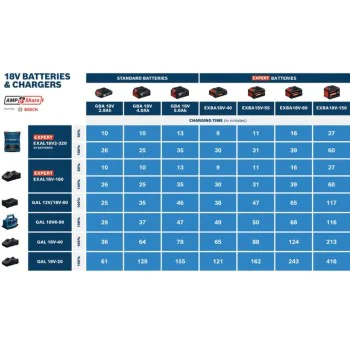
The charging current determines how quickly the capacity is restored. A higher current reduces the time, but it must be compatible with the specific battery. For smaller batteries, it is wiser to use a moderate charging mode, while batteries with higher capacity are often paired with more powerful chargers. Some models feature cooling, temperature control, or electronic management that monitors the process and stops charging once the desired charge level is reached.
There are also differences in the indicators. Some chargers only show the start and end of the process, while others have light indicators for error, overheating, charging, and a full battery. In professional work environments, these signals facilitate organization because the operator can see the status without measuring or disassembling the battery.
| Criterion | What to check | Practical significance |
|---|---|---|
| Voltage | Matching the battery-for example, 12 V, 18 V, 20 V, or another system | Protects the battery and charger from incompatible operation |
| Cell type | Li-Ion, Ni-MH, Ni-Cd, or other type specified by the manufacturer | Correct charging algorithm and longer battery life |
| Charging current | The charger's amperage relative to the battery's capacity | Affects charging time and cell stress |
| Connector | Shape of the socket, contact plates, and locking mechanism | Ensures a secure fit and stable contact |
| Indicator | LED signals, display, or status lights | Easier monitoring during operation |
Selection based on the battery and operating mode
Before purchasing, compare the battery specifications with the charger's parameters. First, check the voltage, cell chemistry, and battery series. In systems with a single platform for multiple tools, the charger typically supports batteries from the same series, but not every battery fits every slot. If in doubt, the most reliable guide is the markings on the battery and the charging module.
For use with a single machine and a single battery, a standard model with proper electronic protection and clear indicators is sufficient. For teams, service centers, or installers who swap batteries throughout the day, chargers with higher current, two sockets, or the ability to charge different capacities within a single series are more practical. For high-capacity batteries, charging time becomes a significant factor, so it is wise to compare the battery's amp-hours with the charger's amperage.
Safety, Maintenance, and Battery Care
The charger's performance depends not only on its electronics but also on proper use. The contacts must be clean, dry, and free of mechanical damage. The battery should not be placed in the charger immediately after heavy use when it is hot; allowing it to cool briefly reduces stress on the cells. Charging should be performed in a dry place, away from dust, metal shavings, and heat sources.
Useful features include overheating protection, automatic shutdown when fully charged, detection of a defective battery, and error alerts. These features support safe operation and reduce the risk of damage. When storing the charger, the cable should not be kinked, and the housing should be protected from impacts and moisture. Regular inspection of the plug, socket, and contact plates extends the device's service life.
Rechargeable Battery Chargers at Toolsbox.bg
Toolsbox.bg offers battery chargers for various work scenarios-from home maintenance to professional service and intensive use of cordless tools. Compare voltage, battery type, charging current, compatibility, and indicators to choose a model that fits your tools and work rhythm. Browse the available options and select a charger that keeps your batteries ready for the next task.