
Bits for screwdrivers
Screwdriver bits for precise installation, repair, and maintenance
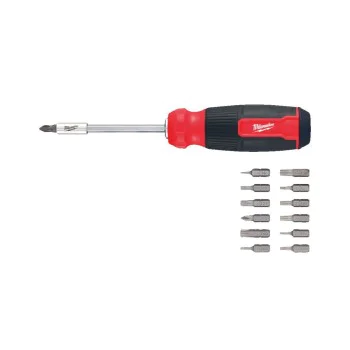
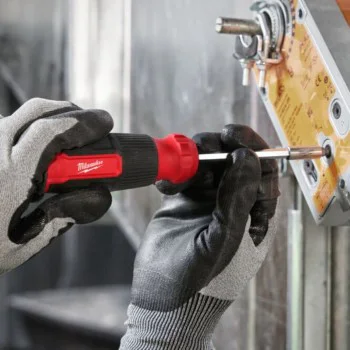
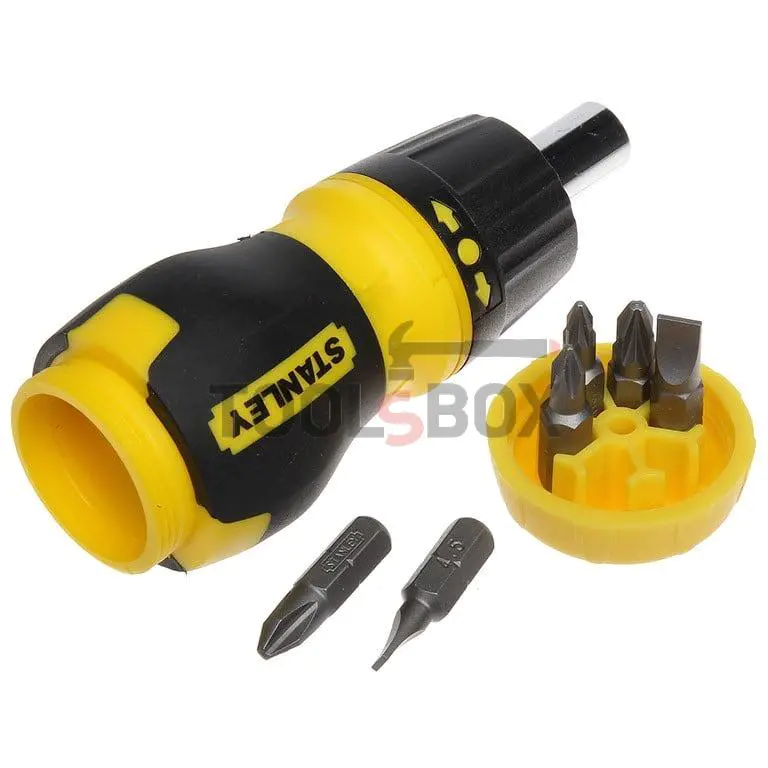
Screwdriver bits are interchangeable working bits for tightening and loosening screws with different profiles. They work with manual screwdrivers with a bit holder, ratchets, cordless screwdrivers, drills, and impact drivers, provided the drive is compatible. A well-chosen bit protects the screw head, minimizes slippage, and facilitates work during assembly, installation, repair, servicing, and maintenance in the workshop or at home.
When adding to a bit set or purchasing individual bits, it is advisable to consider the profile, size, length, material, and type of the tool. This ensures a secure connection between the bit and the fastener, reduces wear, and allows for more precise control of force when working with wood, metal, drywall, plastic, or furniture hardware.
Types of profiles for screwdriver bits
Different screws require different bit profiles. A mismatch between the bit and the screw head leads to slipping, rounding of the slot, and slower installation. Therefore, the profile is the key criterion for selection.
- PH (Phillips) - Phillips-head bits for commonly used screws in repair, installation, and furniture-making tasks.
- PZ (Pozidriv) - a cross-shaped profile with additional ribs, often preferred for wood screws, furniture, and construction fasteners.
- SL - straight slot for single-channel screws, used in older fasteners, electrical components, and precision assemblies.
- Torx - a star-shaped profile with excellent contact, valued in automotive, machine, furniture, and assembly applications.
- Hex - internal hexagon for confirmats, machine screws, fasteners in bicycles, machinery, and furniture.
- Square and specialized profiles-solutions for specific fasteners, security screws, or service operations.
Sizes, lengths, and applications
Bit tips differ not only in shape but also in size. For PH and PZ, sizes range from small bits for fine screws to larger sizes for structural fasteners. For Torx, Hex, and other profiles, the size must match the screw socket exactly, as even a slight deviation stresses the edges and shortens the bit's lifespan.
Short bits around 25 mm are practical for compact bit holders, standard screwdrivers, and working in confined spaces. Extended bits of 50 mm, 75 mm, 100 mm, and longer provide better access to deep holes, around profiles, inside housings, cabinets, and tight installation areas. For precision operations, the longer bit facilitates visibility of the fastener, while for serial fastening, the shorter version often provides better rigidity.
Torsion bits are also available for use with cordless screwdrivers and impact drivers. Their geometry absorbs part of the peak load during sudden tightening, which is useful for long screws, hard materials, and intensive work. For manual screwdrivers, the focus is on the precision of the profile and ease of changing the bit in the bit holder.
Material and Construction
The durability of the bit depends on the steel, heat treatment, and precision of the tip. Individual models are available in Cr-V steel, S2 steel, and other tool alloys. Some bits have a surface coating for better corrosion protection and lower friction when in contact with the fastener. Magnetized tips make it easier to hold the screw in place, especially when working overhead, in deep holes, or during one-handed installation.
Under heavy loads, hardness and elasticity are important. A bit that is too soft wears out quickly, while a bit that is too hard is more vulnerable to impact loads. Therefore, for serial fastening, construction installation, and service work, it is advisable to select bits based on the actual load conditions, not just the profile.
Compatibility with Tools and Bit Holders
Many standard screwdriver bits have a 1/4" (6.35 mm) hex shank, making them compatible with a wide range of bit holders, hand grips, ratchets, adapters, and screwdrivers. When using a magnetic holder, the shank must fit snugly, without any play. For impact drivers, look for bits marked for this mode, as standard bits are subjected to greater stress during impact tightening.
- The profile must match the screw slot-PH, PZ, SL, Torx, Hex, or another type.
- The size is selected according to the fastener head, without forcing it and without excessive play.
- The length is selected based on access to the fastening location and the required stability.
- The tool determines the load-hand screwdriver, electric screwdriver, drill, or impact driver.
- The work material affects the required torque and tip wear.
Practical Use and Maintenance
A clean, undamaged bit transmits force more accurately and protects the fastener. Before use, it is helpful to inspect the bit for rounding, chipping, or twisting. If visible wear is present, replacing the bit prevents damaged screws and delays in installation. For tightly fastened or rusted fasteners, it is better to use the correct size and controlled force rather than a smaller bit that will slip.
After use, store the bits in a dry place, organized by profile and size. A box or organizer protects the working tips from impact and makes it easier to find the right bit. For sets, it's practical to supplement missing sizes with individual bits, especially when a particular profile is used daily.
Selecting Screwdriver Bits from Toolsbox.bg
Toolsbox.bg offers a selection of screwdriver bits for professional use, service, installation teams, and discerning DIYers. You can combine individual bits, extended versions, torsion designs, and sets based on the fasteners you work with. Select the right profile and size for your tools to ensure a more secure grip, cleaner installation, and longer tool life.