


Vacuum cleaner filters
Vacuum cleaner filters for clean operation and machine protection
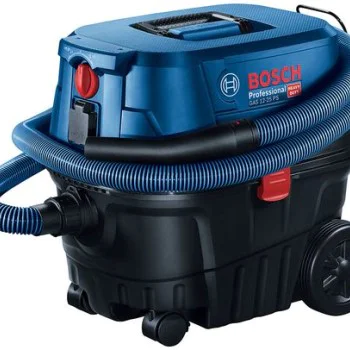
Vacuum cleaner filters trap dust particles, fibers, shavings, and fine debris before they reach the motor or are released back into the air. A well-chosen filter maintains consistent suction power, reduces the buildup of debris inside the unit, and makes cleanup easier after repairs, installation, sanding, cutting, drilling, or daily maintenance. For workshop, construction, and service vacuum cleaners, the filter is not a minor accessory but a consumable with a direct impact on the machine's lifespan and the cleanliness of the work environment.
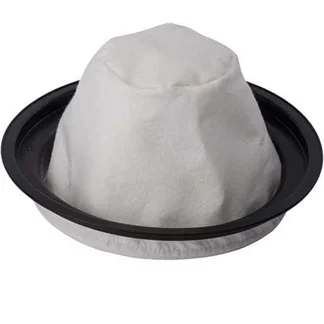
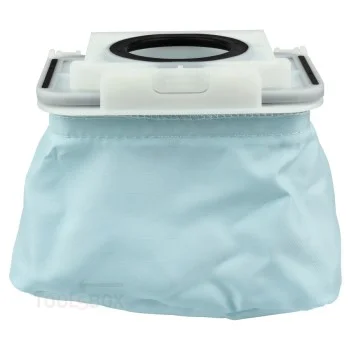
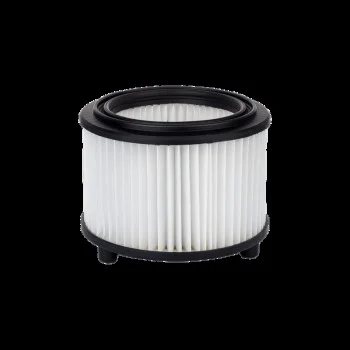
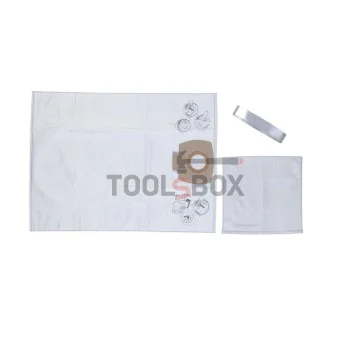
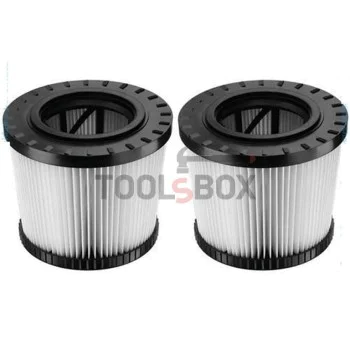
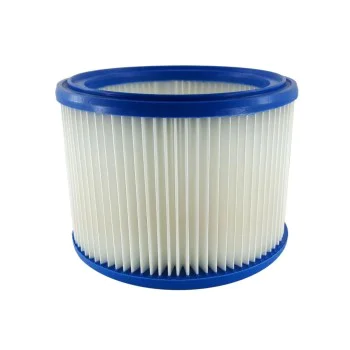
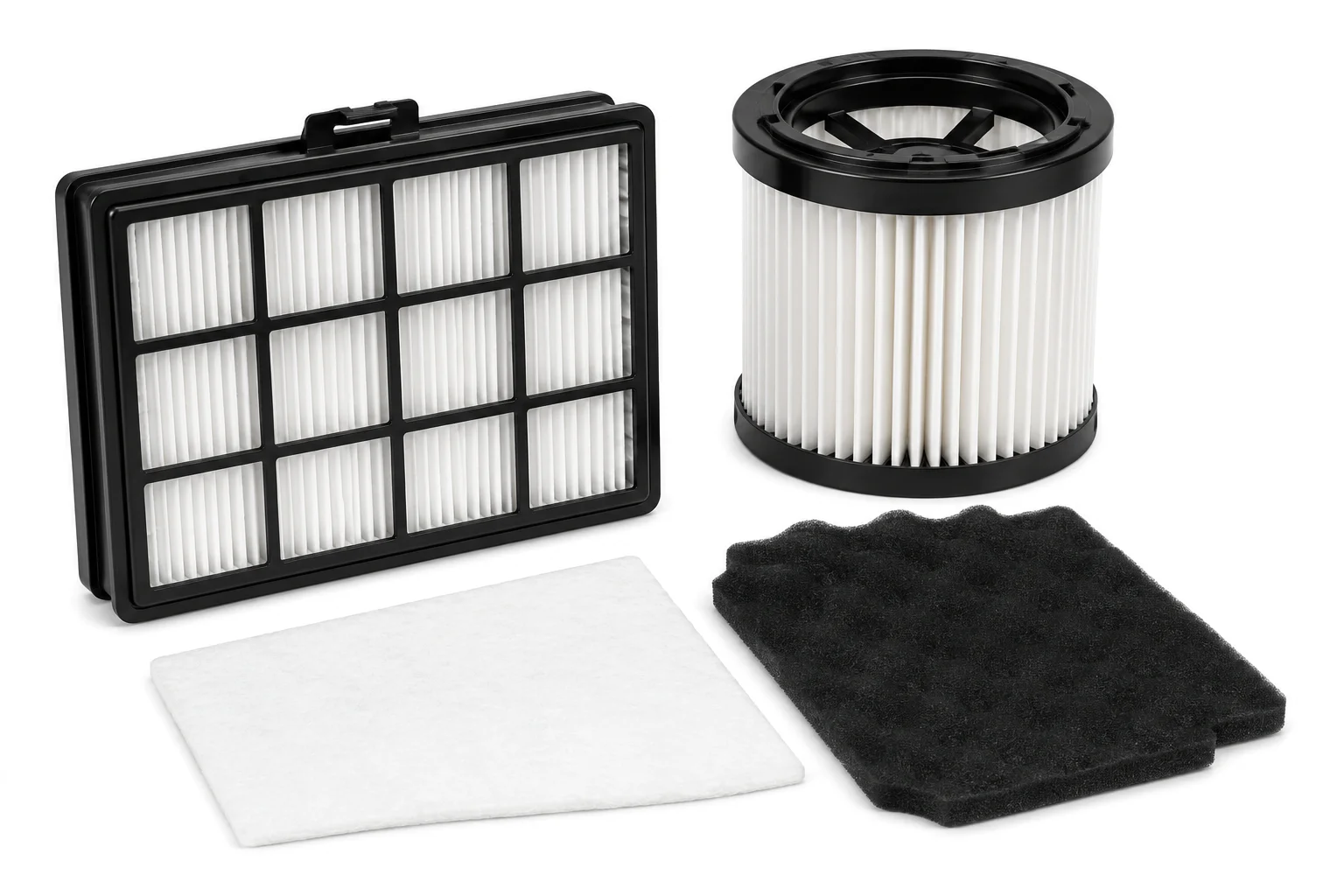
The product range includes filters for dry and wet cleaning, cartridge filters, fabric and foam elements, HEPA filters, fine dust filters, protective filters for the motor compartment, and options for specific vacuum cleaner models. The various designs differ in shape, diameter, height, mounting method, material, filtration efficiency, and load resistance. Vacuum cleaner filters are selected based on the machine model and the task for which the appliance will be used.
Types of vacuum cleaner filters based on the task
When cleaning up large, dry debris, a filter with good airflow and easy cleaning is usually preferred. For fine construction dust from spackling, drywall, concrete, brick, or wood, a higher level of filtration is required, as fine particles easily pass through an unsuitable filter medium. Vacuum cleaner filters with a HEPA element are preferred for more demanding air filtration, especially in rooms where cleanliness after renovation is important.
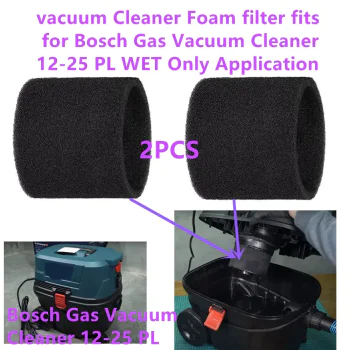
For wet cleaning and liquid collection, filters compatible with this operating mode are used. Foam filters protect internal components from moisture, while paper and some textile options are designed for dry debris. For vacuum cleaners used to collect ash, wood shavings, or coarser debris, look for models with a more durable structure and easy-to-shake-out design.
| Filter type | Intended use | Practical advantages |
|---|---|---|
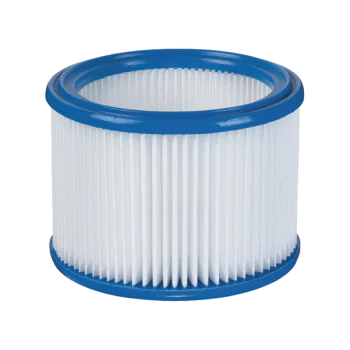
| Cartridge filter | Dry dust, shavings, renovation dust | Stable mounting, good filtration, easy maintenance |
| HEPA filter | Fine dust and cleaner exhaust air | Finer particle retention when working in enclosed spaces |
| Foam filter | Wet cleaning and liquids | Protects the machine when working with water and wet debris |
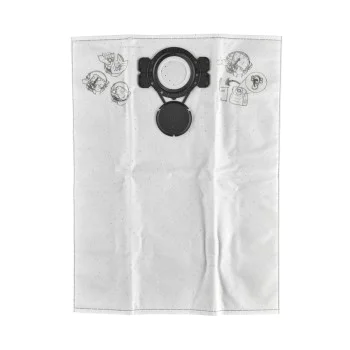
| Textile filter | Repeated dry use | Suitable structure for shaking out and repeated use |
How to choose vacuum cleaner filters
Exact compatibility is the first criterion for selection. Check the vacuum cleaner model, filter shape, dimensions, inner and outer diameters, height, and mounting method. Even a small difference in the seal or mounting hole leads to dust leakage and faster motor contamination. For machines with a specific mounting system, it is best to look for a filter designed for that particular series.
The filter material is selected based on the workload. Paper elements are suitable for dry tasks and regular replacement. Fabric filters withstand more frequent use in workshops and service centers. Cartridge filters are practical for professional use because they combine a stable shape with a large filtration area. Filters for fine-dust vacuum cleaners are needed for sanding, drilling into masonry, post-construction cleanup, and working with power tools connected to a dust collection system.
Compatibility with bags, hoses, and accessories
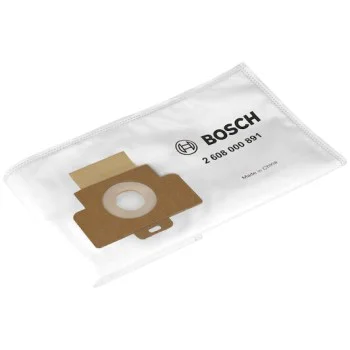
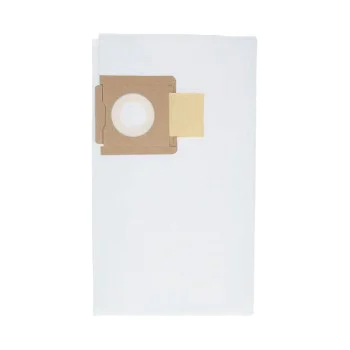
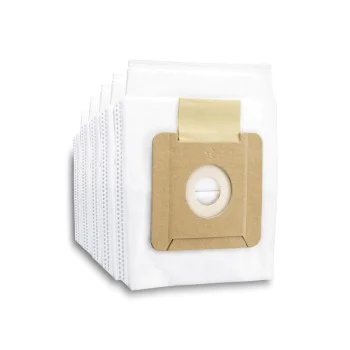
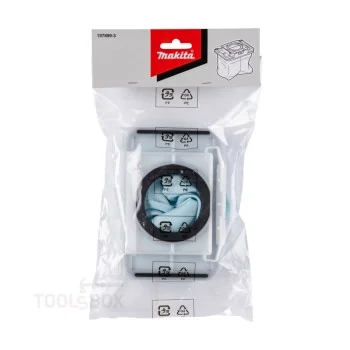
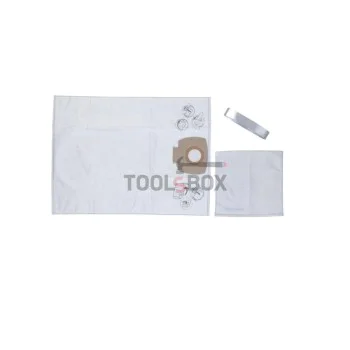
The filter works best when used with the correct bags, hoses, nozzles, and attachments for the specific vacuum cleaner. When using dust collection with sanders, circular saws, routers, or hammer drills, the load on the filter is more severe because dust enters constantly and in high concentrations. Under such conditions, vacuum cleaner filters with a larger surface area and good dust resistance extend the interval between cleanings.
Filter Maintenance and Replacement
Regular maintenance preserves suction power and prevents the vacuum cleaner from overheating. The filter is cleaned depending on the material: by shaking, blowing with low pressure, or rinsing only when the design allows it. After wet cleaning, allow the filter to dry completely before reinserting it. A torn, deformed, clumped, or heavily clogged filter is a sign that it needs to be replaced, as it no longer seals properly and does not trap particles effectively.
In home use, replacement is less frequent, but after repair work, the filter is subjected to significantly greater stress. In a professional setting-such as a service center, workshop, construction site, or installation job-having a spare filter prevents downtime and allows for quick replacement if it becomes clogged. Vacuum cleaner filters are a small expense compared to the risk of reduced airflow, overheating, and machine contamination.
Vacuum cleaner filters for workshops, repairs, and maintenance
A properly selected filter makes cleaning faster, protects the equipment, and improves indoor working conditions. For a precise selection, compare the vacuum cleaner's technical specifications with the filter's dimensions and intended use; pay attention to whether it's for dry or wet cleaning and the type of debris. Browse the options at Toolsbox.bg and select vacuum cleaner filters compatible with your machine and the tasks in your home, service center, or workshop.