
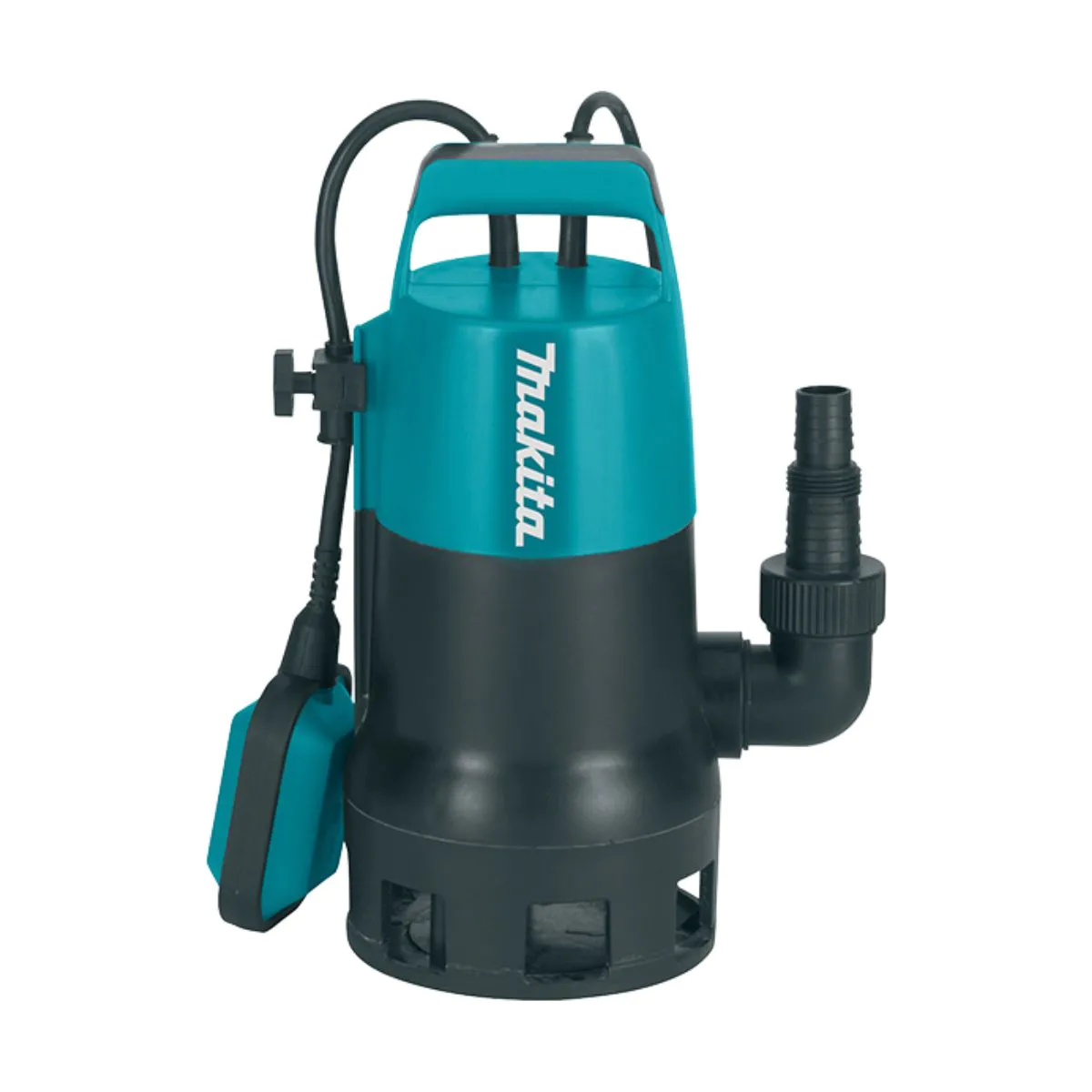
Submersible hydrophore pump
Submersible pressure pump for a reliable water supply
A submersible pressure pump is a practical solution for supplying pressurized water from a borehole, well, reservoir, or tank to a domestic, garden, or small commercial system. It operates submerged in the water source and combines the advantages of a submersible pump with the pressure control required for faucets, irrigation systems, water heaters, washing machines, and other consumers. The water pumps section includes models with varying power, flow rate, head, control type, and housing, designed for homes, vacation homes, yards, workshops, and facilities requiring regular maintenance.
When properly selected, such a pump maintains even pressure in the piping system and reduces the need for an external pressure booster system with a separate tank. This is convenient in situations with limited space, deep water sources, or when quieter operation is desired, as the unit remains submerged.
Submersible pressure pump and its main applications
A submersible pressure pump is used for water supply from private sources, garden irrigation, powering drip and sprinkler irrigation systems, filling containers, and supplying water to plumbing fixtures and household appliances. It is a suitable option for homes without a permanent water supply network, seasonal properties, greenhouses, small farms, and utility rooms where pressure must remain stable when opening and closing faucets.
Models vary according to immersion depth, maximum head, permissible flow rate, housing diameter, and control method. Some are designed only for clean water free of sand and solids, while others feature more durable impellers and housings for harsher environments. For boreholes, the pump's outer diameter is a key consideration, while for wells and reservoirs, the minimum water level, motor cooling, and dry-run protection are important factors.
How to Choose a Submersible Pressure Pump
A submersible pressure booster pump is selected based on actual water consumption and the specific characteristics of the system. Power alone is not a sufficient guideline. A more accurate assessment is made by comparing flow rate, head, pipe length, number of consumers, and type of water source.
- Head and pressure: calculate the height from the water level to the highest point of the system, and account for losses in pipes, fittings, and filters.
- Flow rate: multiple faucets, an irrigation line, or a tank require a higher flow rate, while a single-point supply can be served by a more compact model.
- Diameter and depth: for a borehole, the housing must fit freely, and the cable and hose must allow for safe lowering and removal.
- Control: electronic pressure control, a pressure switch, a built-in sensor, or a float switch facilitate starting and stopping based on pressure and water level.
- Material: a housing made of stainless steel, technopolymer, or a composite construction is selected based on the environment, operating frequency, and budget.
- Protections: dry-run protection, thermal protection, check valve, and filter screen protect the motor and hydraulic components from overload and contamination.
Types and Differences Between Models
When selecting a submersible booster pump, the differences between the various options are most evident in the hydraulics and control systems. Multistage models generate higher head and are valuable for long pipelines or taller buildings. Pumps with built-in electronic controls start when pressure drops and stop after the valve closes, without the need for a large external tank. Float-controlled variants are practical for tanks and wells where the water level fluctuates.
| Pump type | Characteristics | Operation |
|---|---|---|
| Multistage submersible pressure booster pump | Higher head and stable pressure | Wells, homes, long pipe runs |
| Model with pressure control | Automatic start and stop when pressure changes | Domestic water supply and irrigation |
| Float-controlled pump | Low-water protection | Wells, cisterns, tanks |
| Stainless steel housing | Better resistance to moisture and mechanical stress | Intensive operation and permanent installation |
Installation, safety, and maintenance
A submersible pressure pump must be installed so that it does not suck up sediment from the bottom and does not run dry. A suitable rope or bracket should be used for suspension, not the power cable. The electrical connection requires moisture protection, proper grounding, and a fuse rated for the motor's power. For longer pipe runs, a check valve limits backflow and reduces frequent starts.
The filter, suction zone, and connections should be inspected periodically, especially when dealing with water containing sand, silt, or organic impurities. System pressure, pressure control operation, and the condition of the hoses directly affect the pump's service life. For seasonal use, it is advisable to remove the system, clean it, and store it in a dry place after the irrigation season ends.
A practical choice for home, yard, and commercial use
A submersible pressure pump combines a compact installation, automatic water supply, and reliable performance with various water sources. When selecting a pump, pay attention to the technical specifications, control type, compatibility with the piping system, and the necessary installation accessories. Browse the offerings at Toolsbox.bg and choose a pump that suits your installation, operating conditions, and planned maintenance.