
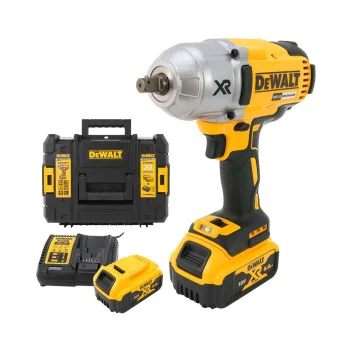
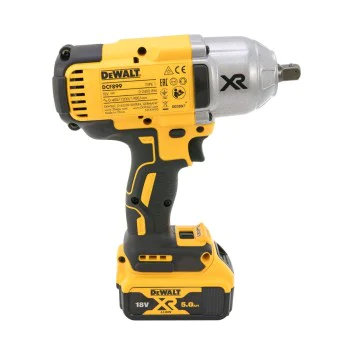
-350x350.jpeg.webp "Impact Wrench - DeWALT, McLaren F1 XR, DCF99MP2T")
-350x350.jpeg.webp "Impact Wrench - DeWALT, McLaren F1 XR, DCF99MP2T")
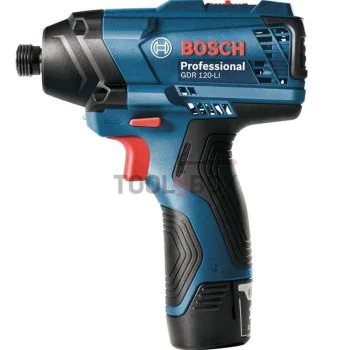
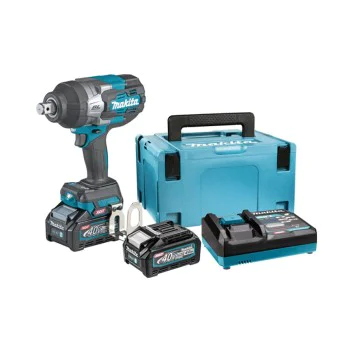
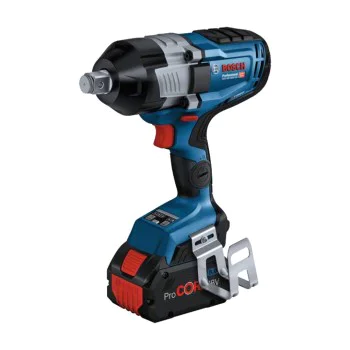
Impact wrenches
Impact wrenches for service, installation, and repair
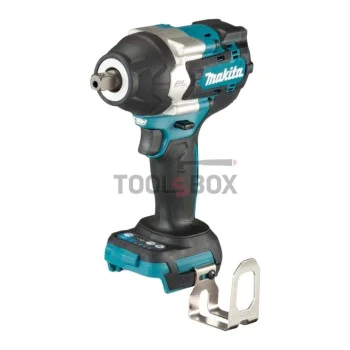
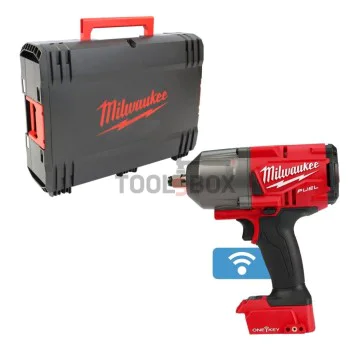
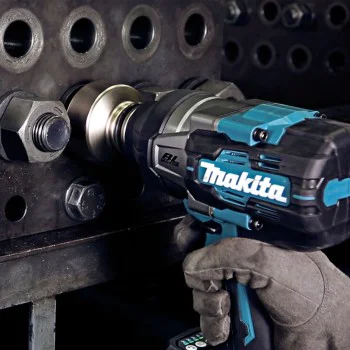
Impact wrenches are used for quickly loosening and tightening nuts, bolts, and studs when high torque is required without excessive strain on the hand. The impact mechanism delivers short pulses to the fastener, making it easier to work with rusted, tightly fastened, or large threaded connections. These tools are invaluable in auto repair shops, tire shops, construction sites, metal fabrication, agricultural machinery, machine maintenance, and demanding home repair projects.
Unlike standard screwdrivers, impact wrenches are designed for fasteners with larger diameters and for applications where speed and power are paramount. They work with impact sockets, extensions, and adapters selected according to the drive square and the load. At Toolsbox.bg, you can find models for mobile work, service applications, or installation tasks where the tool needs to handle fasteners of various sizes.
Main Types of Impact Wrenches
Different impact wrenches differ in power source, torque, drive square size, weight, and control method. The right choice starts with the tasks you'll perform most often: tire changes, anchor installation, chassis work, assembling metal components, or heavy-duty service.
Cordless impact wrenches
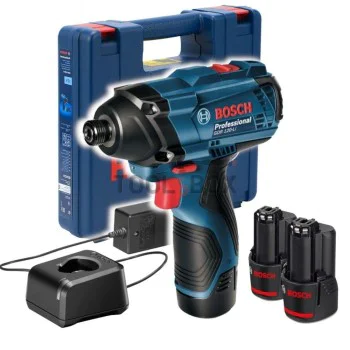
Cordless models are preferred for work in various locations, outdoors, or where a power cord would be a hindrance. They provide freedom of movement and are practical for mobile service teams, installers, construction workers, and home users with more demanding tasks. When selecting a model, consider the battery platform voltage, battery capacity, charger, number of speeds, maximum torque, and the weight of the machine with the battery.
Electric impact wrenches
Corded electric impact wrenches are suitable for workshops, garages, and stationary repair locations where there is constant access to a power outlet. They do not require battery charging and are a practical choice for repetitive operations. Key factors to consider include power, cord length, housing, cooling, grip comfort, and speed control.
Pneumatic impact wrenches
Pneumatic models are used in service shops and production facilities with a compressor system. They are valued for their high power-to-weight ratio and good durability during intensive use. For proper operation, air flow rate, operating pressure, the inner diameter of the hose, quick-connect fittings, and regular lubrication of the air tool are important.
Where are impact wrenches used?
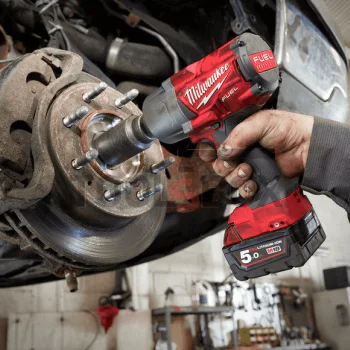
An impact wrench speeds up operations that take more time and effort with hand tools. In auto repair shops, it is used for removing wheels, working on the suspension, brake system, exhaust components, and other high-load assemblies. In construction, it helps with the installation of metal profiles, anchors, brackets, and load-bearing elements. In agriculture and industrial maintenance, it is useful for servicing machines, trailers, attached implements, and equipment with large fasteners.
For the home workshop, the impact wrench is practical for seasonal tire changes, trailer repairs, garden equipment maintenance, assembling metal structures, and tasks where a standard screwdriver lacks sufficient power. When performing final tightening of critical fasteners, such as wheel bolts, it is advisable to use a torque wrench set to the exact torque specified by the machine or vehicle manufacturer.
How to Choose an Impact Wrench
When selecting a model, pay attention to several technical specifications that affect comfort and work results. Not every powerful model is practical for tight spaces, and an overly compact machine may lack sufficient power for large fasteners.
- Torque: Higher values are helpful for large bolts, rusted nuts, and heavy-duty service operations.
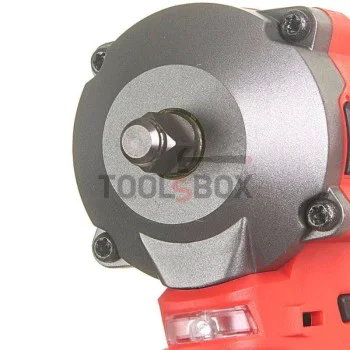
- Drive size: 1/2" is a common choice for automotive work, while 3/4" and 1" are used for larger equipment and industrial applications.
- Speed and torque adjustment: multiple settings provide better control for fasteners of various sizes.
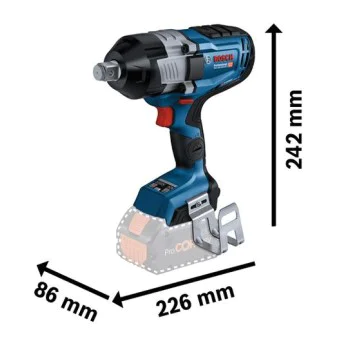
- Size and weight: The compact body facilitates access in confined spaces, while the larger machine offers greater capacity for heavy-duty tasks.
- Power source: battery for portability, cord for stationary use, compressed air for service with a compressor.
- Ergonomics: the comfortable grip, balanced body, and smooth trigger reduce fatigue during prolonged use.
Compatibility with bits and accessories
Impact wrenches must be used with impact sockets designed for impact loads. Standard chrome-vanadium ratchet sockets are not the right choice for this tool, as they can crack or break under impact operation. Look for sockets with the correct size, depth, and profile for the specific fastener. When working on rims, extended sockets with a protective coating that prevents surface scratches are useful.
Adapters, universal joints, and extensions expand the machine's applications, but each additional component alters the power transmission. For heavy-duty operations, it is better to use a direct connection between the impact wrench and the socket. For cordless tools, compatibility with batteries from the same platform is important for users who already own other power tools from the same series.
Safe Operation and Maintenance
Working with an impact wrench requires a secure grip, the correct socket, and control over the direction of rotation. Wear safety goggles and gloves appropriate for the task, and keep cables, hoses, or loose clothing away from rotating parts. Do not use damaged sockets, worn adapters, or deformed fasteners. For heavily corroded joints, penetrating spray and a short wait can reduce the risk of a bolt breaking.
Maintenance extends the machine's service life. Clean the housing and ventilation openings after use, store batteries according to the manufacturer's instructions, and lubricate pneumatic wrenches with a suitable oil for air tools. Regularly checking the sockets and drive square helps prevent slipping, damage to the fasteners, and unnecessary strain on the mechanism.
Choosing Impact Wrenches from Toolsbox.bg
Browse the impact wrenches at Toolsbox.bg and select a tool based on your tasks, power source, required torque, and compatible accessories. This way, you'll have a tool that saves time on heavy-duty fasteners, simplifies installation and maintenance, and fits right into the equipment of a service center, workshop, or home garage.