
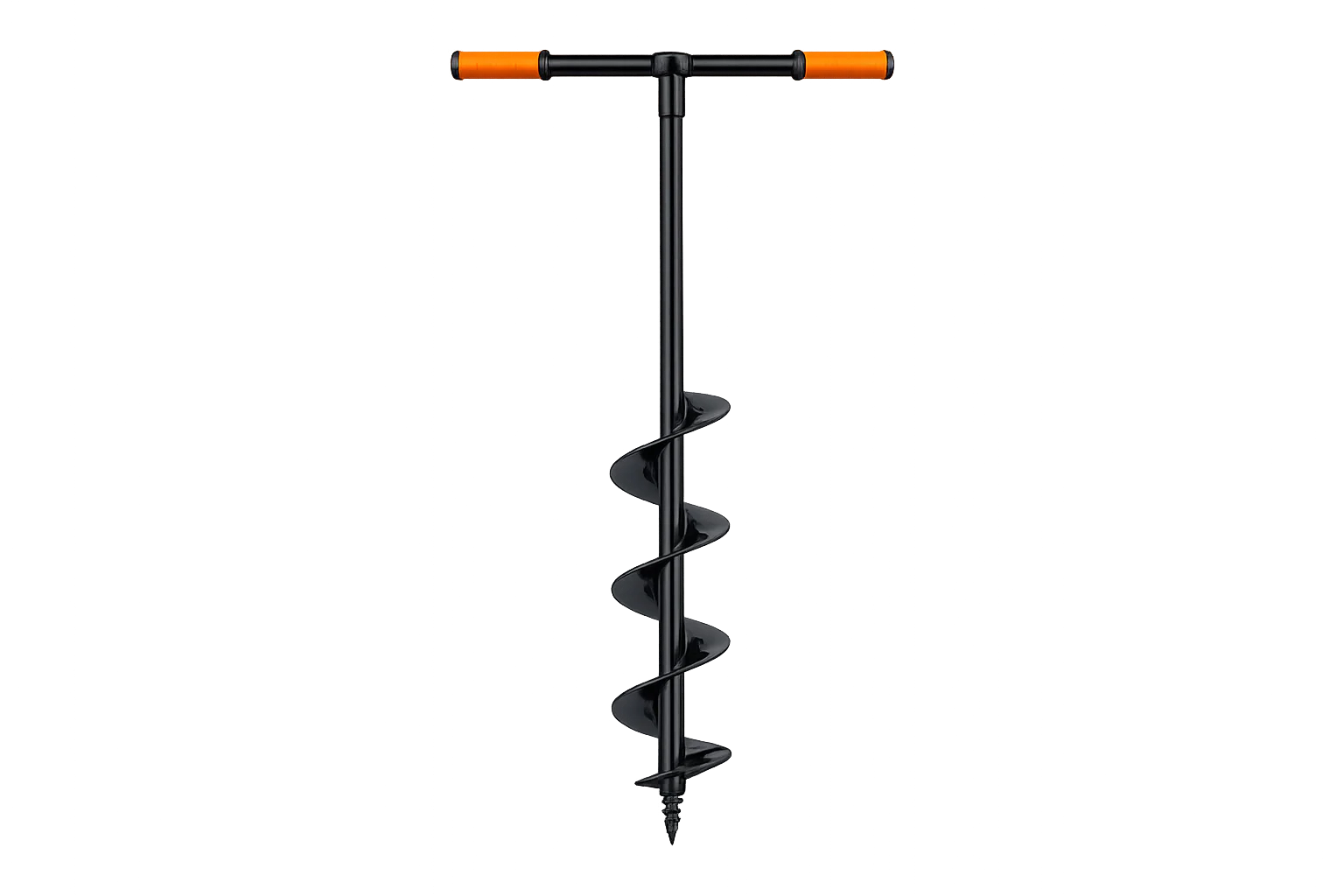
Drill for holes
Hole-drilling bit for use in the garden and yard
A hole drill makes it easy to drill precise holes in the ground when planting, setting stakes, building fences, installing trellises, and setting up supports for nets and light yard structures. This type of garden tool saves time when drilling multiple holes and keeps the hole shape more even, without unnecessary widening with a shovel. Toolsbox.bg offers a selection of hand-held options, drill bits for power tools, and spiral attachments in various diameters, lengths, and working shapes.
A properly selected auger helps ensure cleaner work, less strain on the hands, and better control over depth. This is useful both for home garden maintenance and for more intensive yard, agricultural, and installation activities where many holes need to be drilled in a short time.
Applications of soil augers
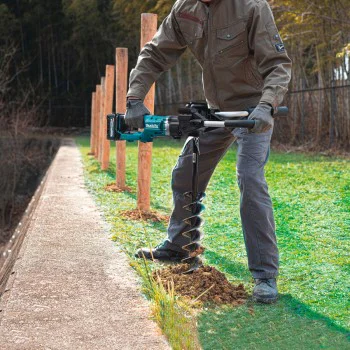
The auger is a practical tool for tasks requiring uniform holes with controlled depth. When planting saplings, ornamental shrubs, bulbs, or vegetable seedlings, the tool creates a narrow, clean hole, and the removed soil remains near the planting site for backfilling. For fences and support posts, the auger facilitates precise positioning of the elements and alignment along a line.
In gardening, these tools are used for aerating soil, preparing holes for fertilizing around trees, building plant supports, installing drip irrigation stakes, and assembling lightweight structures. On heavier terrain, the power auger reduces physical effort, while for individual holes, the manual version remains convenient, quiet, and easy to carry.
- Planting: saplings, shrubs, flowers, vegetable seedlings, and bulbs.
- Fences and posts: holes for wooden, metal, or plastic elements.
- Yard structures: supports, netting, light shelters, trellises, and garden markers.
- Landscape maintenance: aeration, drainage, and localized soil loosening.
Types of hole-drilling bits
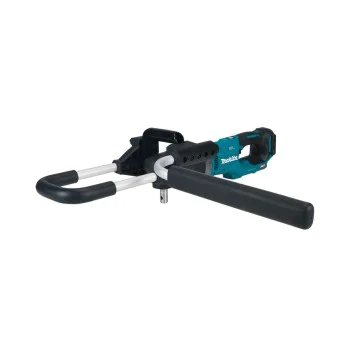
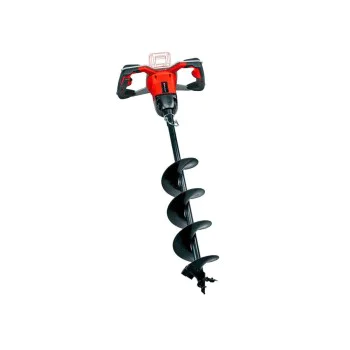
The different models vary in drive type, diameter, length, spiral pitch, and mounting method. Hand drills are rotated using a T-shaped or cross-shaped handle and are suitable for lighter soil, small yards, and occasional use. Power drills and their attachments are designed for faster work involving multiple holes, larger diameters, and deeper drilling.
| Type | Operating Method | Practical use |
|---|---|---|
| Hand drill | Rotates with a handle and requires no electricity or fuel | Single holes, planting, light fencing, work in small yards |
| Drill bit for a power tiller | Attaches to a motorized tiller with a compatible chuck | Batch drilling, deeper holes, denser soil |
| Replaceable auger or extension | Changes the diameter or increases the working depth | Various sizes for stakes, saplings, and planting tasks |
Criteria for selecting a hole-drilling bit
The hole size must match the task. For bulbs, small plants, and thin stakes, a smaller diameter is preferred, while for fence posts, saplings, and heavier supports, a wider drill bit is needed. The length determines the maximum working depth, and the shape of the spiral affects how soil is removed to the surface.
- Diameter: selected based on the size of the root ball, stake, or mounting element.
- Length: shorter versions are suitable for shallow holes, while longer ones are for posts and fences.
- Soil type: Loose and sandy soil is easy to work with; clay, wet, or rocky soil requires a more durable blade and careful handling.
- Grip and handle: on hand-held models, a comfortable handle reduces fatigue, while for machine attachments, compatibility with the unit is crucial for safe operation.
- Weight: Lighter augers are easy to carry, while heavier ones remain stable under load.
When choosing for professional use, look for a more robust metal construction, clear dimensions, and the ability to work with suitable extensions or replaceable auger blades. For a home garden, a hand auger with a convenient diameter for planting and light installation tasks is often sufficient.
Materials, Safety, and Maintenance
Soil augers are typically made of metal with a spiral working part and a cutting tip. Hardened steel, sturdy welds, and a well-formed spiral contribute to smoother penetration into the soil and better removal of soil. With power drills, a secure attachment to the motor or gearbox prevents unwanted slippage and vibrations.
Working with a drill requires a stable stance, gloves, and shoes with good traction. Before drilling, it is wise to check the area for large rocks, roots, pipes, cables, or irrigation hoses. If you encounter a hard obstacle, reduce the pressure and clear the hole instead of forcing the tool. When using motorized machines, operate with both hands, guiding the tool evenly and without sudden movements.
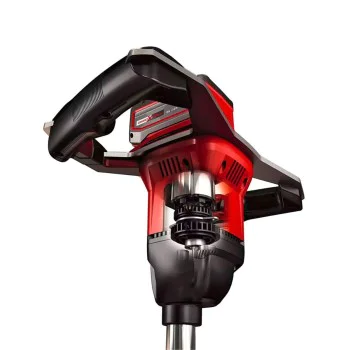
After use, clean the auger of soil and plant debris. Dry storage minimizes corrosion, and periodic inspection of the tip, welds, and chuck extends the tool's service life. For power drill attachments, the diameter of the shank, the locking mechanism, and the machine's load capacity must match.
Selecting a hole drill from Toolsbox.bg
Selecting a hole drill bit starts with the actual task: planting, fencing, staking, aeration, or installation. Next, consider the diameter, depth, soil type, and method of operation-hand-held or power-driven. This ensures the tool will be comfortable, safe, and effective for every drilling job.
Browse the selection at Toolsbox.bg and choose a drill bit based on size, shank type, and intended use. The right tool makes work in the garden and yard more organized, faster, and requires less physical effort.