
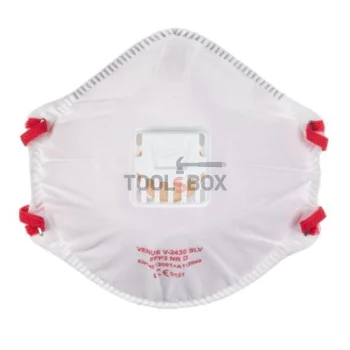
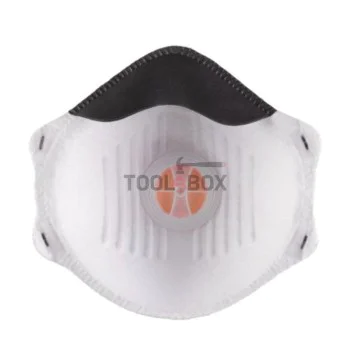
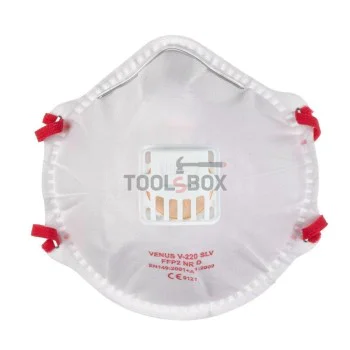
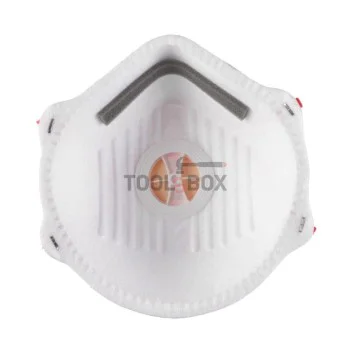
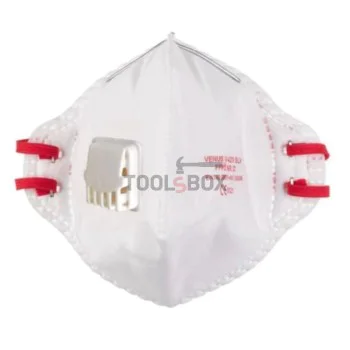
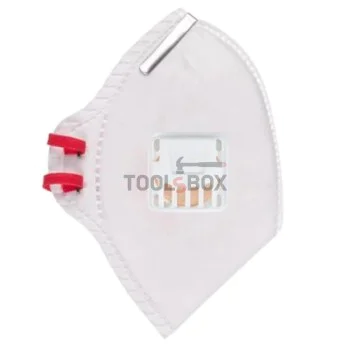
Safety mask with valve
Safety mask with valve for dust, particles, and workplace protection
A protective mask with a valve is a practical means of protecting the respiratory tract during construction, repair, sanding, cutting, drilling, cleaning, and workshop work. The valve facilitates exhalation, reduces heat and moisture buildup inside the mask, and makes it more comfortable to wear during longer tasks. Such masks are sought after by professionals in the construction and service sectors, as well as by discerning DIY enthusiasts who work with tools, machines, consumables, and materials that emit dust or fine particles.
A protective mask with a valve is selected based on the type of contamination, the duration of work, and the required fit to the face. When cutting concrete, working with wood, sanding plaster, or working with insulation materials, the load on the filter layer varies. Therefore, individual models differ in shape, filtration class, elastic band design, presence of a nose clip, internal seal, and resistance to deformation.
When to wear a protective mask with a valve
A protective mask with a valve is particularly useful for activities that release dust, shavings, fine dry particles, or light aerosols into the air. In construction, such situations arise during chiseling, drilling, cutting mineral materials, and surface preparation. In a workshop, the mask is practical for sanding wood, metal parts, or painted surfaces, and for home maintenance, it helps when cleaning dusty rooms, replacing insulation, and performing minor repairs.
The exhalation valve has one main purpose: to allow exhaled air to escape more easily. This keeps the inside drier, reduces fogging on glasses, and makes breathing feel easier during physical exertion. A safety mask with a valve is a good choice for work where the primary goal is to protect the wearer from dust particles. For environments where protection of others from exhaled air is required, models without a valve or another type of respirator should be selected according to the site's requirements.
Main Types and Design Differences
In this segment, you'll find molded cup-style masks and foldable models that take up less space in a toolbox or work bag. The molded versions maintain volume in front of the mouth and nose, which makes breathing easier during more intense work. Foldable masks are convenient to carry as a backup during installations and service visits.
A protective mask with a valve may feature a nose clip for a more precise fit around the nose, a soft sealing edge for better contact with the face, and elastic straps for a secure fit. During prolonged use, comfort depends on the pressure of the elastic straps, the shape of the mask body, and how the mask stays in place when moving, bending over, or speaking.
| Criterion | What to look for | Practical significance |
|---|---|---|
| Filtration class | Markings such as FFP1, FFP2, or FFP3, when specified by the manufacturer | The higher class is designed for finer particles and more demanding environments |
| Shape | Cup-shaped or foldable design | Affects comfort, storage, and stability on the face |
| Seal | Nose clip, soft edge, adapts to facial contours | Better fit reduces the passage of unfiltered air |
| Valve | Position and size of the exhalation valve | Helps during prolonged wear and work involving greater physical exertion |
Selection based on the task
For short repair jobs at home, a lightweight model with a good nose clip and sturdy elastic straps is often sufficient. For daily professional use, it is advisable to look for a sturdier frame, a more comfortable inner seal, and labeling appropriate for the specific work environment. A protective mask with a valve for working with concrete or plaster dust is subjected to greater stress than a mask worn only for brief cleaning tasks, so a tight fit and the filter class are of direct importance.
When working with power tools and machinery, the mask must be comfortably combined with other personal protective equipment: safety goggles, earplugs, a hard hat, or a face shield. The shape around the nose and cheeks affects fogging of the goggles and freedom of movement. A loose fit, improperly positioned elastic straps, or a deformed mask body reduce protection, as air seeks the easiest path around the seal.
Use, Storage, and Replacement
A protective mask with a valve must fit snugly against the face before starting work. The nose clip should be carefully shaped, the elastic bands should be securely fastened, and the body should not be crushed, wet, or soiled on the inside. A mask that makes breathing more difficult than usual, is misshapen, or is heavily dusted should be replaced with a new one according to the manufacturer's instructions.
Store masks in a clean, dry environment, away from abrasives, oils, solvents, and sharp tools. This keeps the filter material protected until the next use. When working on a job site, it is convenient to have several spare masks in sealed packaging so that the mask can be replaced if it gets wet, dirty, or damaged.
A practical choice for service, construction, and home repair
A valve-equipped safety mask is a small but essential element of personal protection when working with powdery materials, tools, and construction supplies. A well-chosen model makes tasks more comfortable and supports safer work organization in a workshop, service center, garage, or on a construction site.
Browse the selection at Toolsbox.bg and choose a protective mask with a valve based on your work environment, filtration class, shape, and compatibility with other protective equipment.