
Screws for plasterboard
Drywall screws for securely fastening panels
Drywall screws are used in the construction of wall cladding, suspended ceilings, partition walls, decorative boxes, and other drywall structures. This fastener secures the drywall panel to a metal stud frame or wooden substrate, with the head sinking flush into the surface and leaving room for spackling. A well-chosen screw provides stable hold, reduces the risk of cracking around the hole, and facilitates subsequent stages of the renovation.
When working with drywall, the details matter: the shape of the head, the type of thread, the length, the coating, and compatibility with the drill bit all affect the speed and accuracy of installation. At Toolsbox.bg, you'll find fasteners for single and double-layer drywall, metal profiles, wooden battens, home repairs, and heavy-duty professional construction work.
What does the range of drywall screws include?
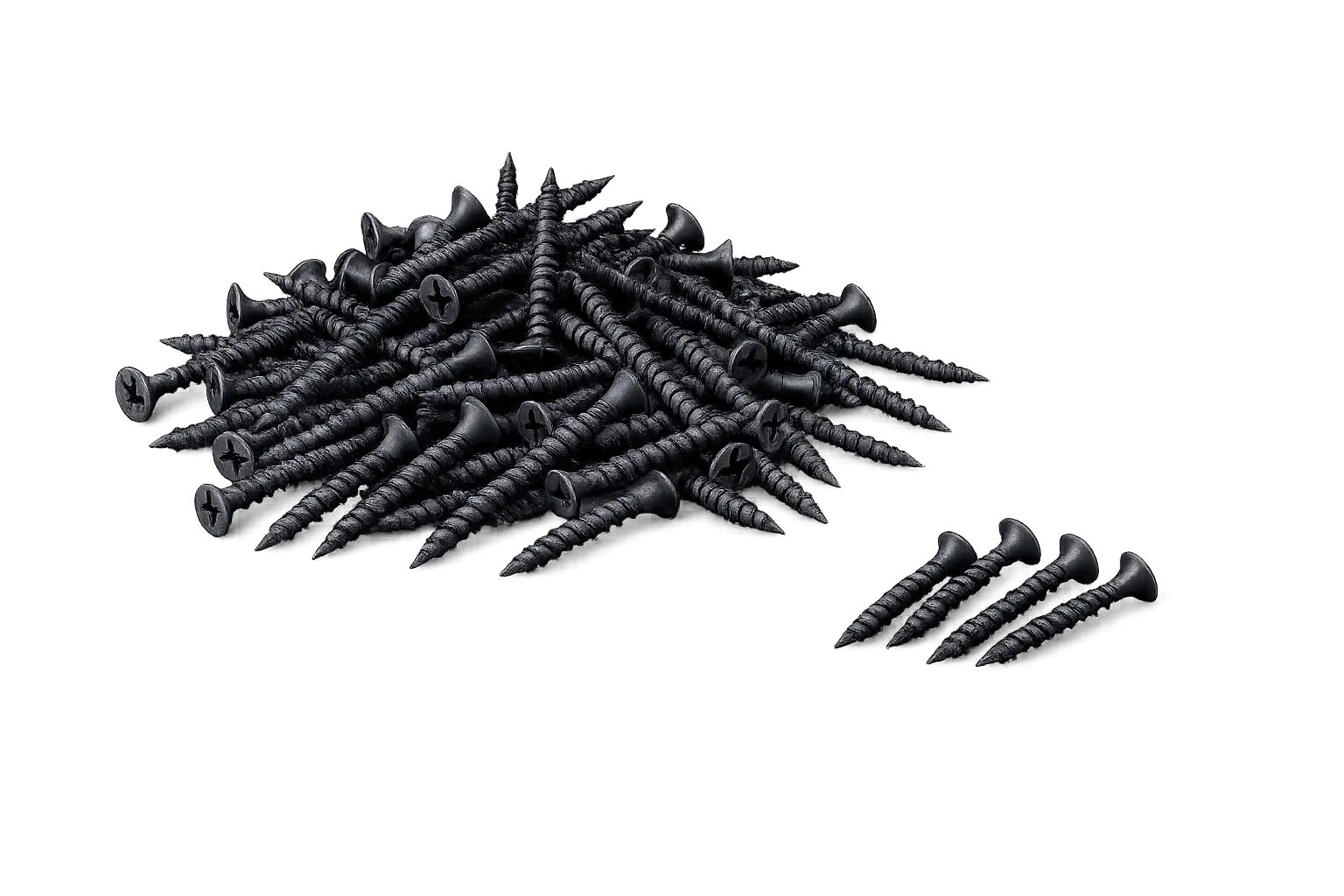
The range includes self-tapping screws of various lengths, diameters, threads, and head types. For drywall, a countersunk head is typically used, which sits below the surface level without tearing the paper layer. This keeps the surface smooth and ready for jointing and spackling.
Fasteners for metal profiles usually have a fine thread that grips the thin-walled sheet metal of the structure well. For wooden battens, screws with a coarser thread are preferred, as they bite better into the wood fibers. For thicker panels or double sheathing, a longer length is selected so that the screw passes through the entire layer and penetrates sufficiently into the supporting substrate.
Black phosphated screws are commonly used, as the coating promotes good adhesion to plastering materials and protects the fasteners under standard indoor conditions. In specific environments, the choice of coating and material should take into account moisture, the substrate, and the type of finishing work.
Applications in construction, renovation, and installation
Drywall screws are used for interior renovations, building walls and ceilings, lining niches, concealing installations, and creating decorative elements. They are part of the daily supplies for installers, construction companies, finishing contractors, and discerning homeowners.
In suspended ceilings, the fasteners help secure the panels to CD profiles, and the even spacing of the screws prevents the panel from sagging or vibrating. In partition walls, the screws work in conjunction with the metal framework, profiles, joint tapes, and joint compounds. In wooden substructures, the thread and length are critical for a secure hold, as wood behaves differently from metal profiles.
How to Choose the Right Fasteners
Selecting screws for drywall starts with the substrate, the thickness of the panel, and the type of construction. For standard single-layer cladding, shorter fasteners are used, while double-layer cladding and additional layers require a longer screw. A screw that is too short does not provide sufficient grip, while one that is too long slows down the work and does not always offer a real benefit.
- Mounting base: fine thread for metal profiles, coarser thread for wooden battens and frames.
- Length: depends on the thickness of the surface, the number of layers, and the required penetration depth.
- Head: The countersunk design ensures a smooth surface before spackling.
- Drive: The compatible bit reduces slippage and damage to the head.
- Coating: Choose based on the environment, finishing materials, and risk of moisture.
- Packaging: Small packages are convenient for repairs, while larger quantities save time on job sites.
Comparison by substrate
| Fastener type | Main application | Practical guidance |
|---|---|---|
| Fine-threaded | Drywall to metal stud | Provides quick screw-in and a secure hold in thin-walled construction |
| Coarse thread | Drywall to wooden substrate | Drives well into the wood and holds the panel securely |
| Longer screws | Double sheathing or thicker layer | Ensure sufficient penetration into the load-bearing substrate |
| Short screws | Single sheathing and standard repairs | Speed up installation and reduce unnecessary drilling |
Compatibility with tools and accessories
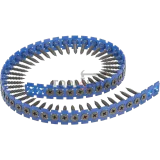
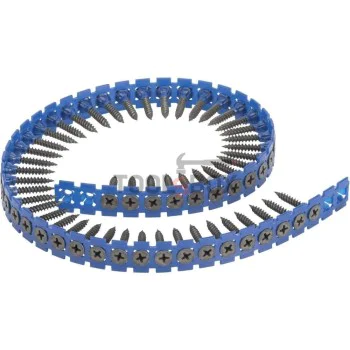
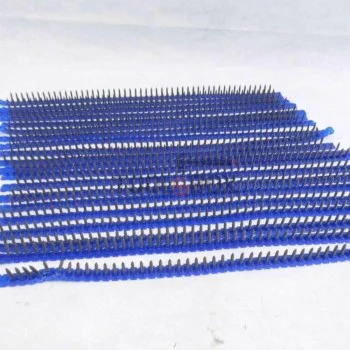
For quick installation, use a screwdriver, a cordless drill with torque control, or a specialized drywall screwdriver. The depth stop helps the head sink evenly without tearing the paper layer. For continuous fastening, strip screws and magazine attachments speed up the work when the system is compatible with the machine.
Bits with the correct profile are just as important as the fasteners themselves. A worn or unsuitable bit damages the head, slows down installation, and increases waste. When working overhead or on a ceiling, steady guidance of the tool and moderate pressure protect the surface and reduce fatigue.
Practical tips for clean and durable installation
Screws should be placed at uniform intervals according to the design and type of construction. The head should sink slightly below the surface, but without piercing the drywall. If the fastener is overtightened, the grip weakens and a weak spot for future cracks appears around the hole. If a screw is not tightened enough, the joint compound remains uneven and the finish is compromised.
Store screws in a dry place, away from dust, moisture, and aggressive construction mixtures. Mixing different lengths in a single box slows down the work, so it is convenient to keep fasteners separated by size and purpose. For larger projects, planning the quantity in advance reduces interruptions during installation.
Choose drywall screws based on the task
The choice of fasteners directly affects the strength and appearance of the finished structure. Whether for metal profiles, wooden battens, single or double sheathing, home repairs, or professional installation, the right type of screw saves time and provides a clean base for finishing work. Select drywall screws from Toolsbox.bg based on length, thread, head, finish, and compatibility with the tool you're using.