
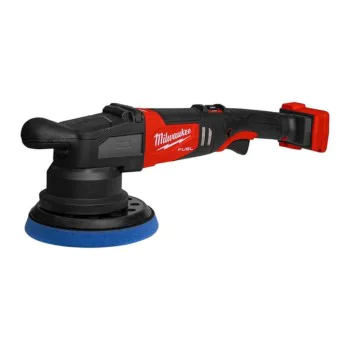

Polarmashini
Polishing machines for fine finishing, restoring shine, and achieving a professional finish
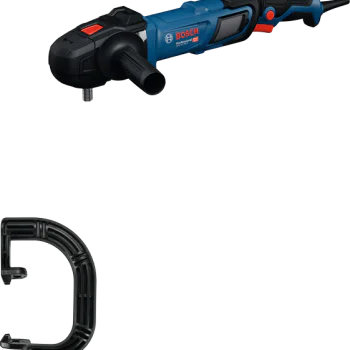
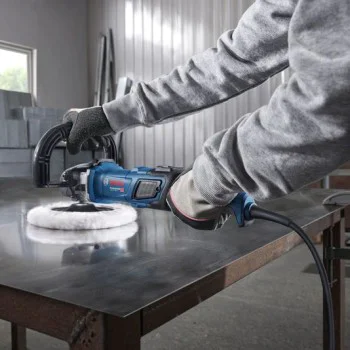
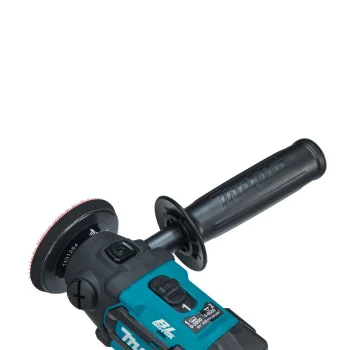
Polishing machines are used for treating lacquer coatings, metal, stone, wood, plastic, and composite surfaces when a uniform finish is needed without excessive effort. They are part of the power tool category but serve a specific purpose: to apply polishing paste, wax, or abrasive compounds with controlled pressure and constant speed. This achieves a smoother surface, a better visual result, and more precise work during detailing, repair, restoration, or preparation of parts before the final coat.
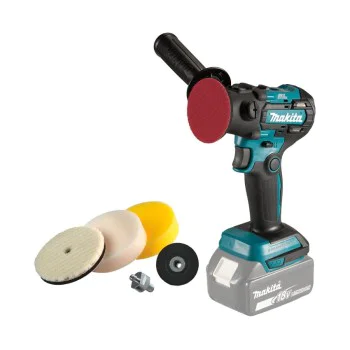
At Toolsbox.bg, you'll find polishers for automotive paint, body panels, headlights, furniture, metal components, countertops, cladding, and other surfaces. The machines differ in disc movement, power, working pad diameter, speed control, power source, ergonomics, and compatibility with sponges, buffing pads, wool pads, and polishing discs. These differences are important because rough sanding, intermediate polishing, and finishing require different levels of control.
Main Types of Polishing Machines
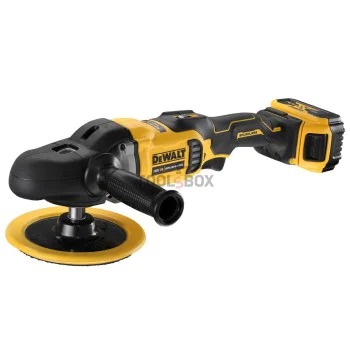
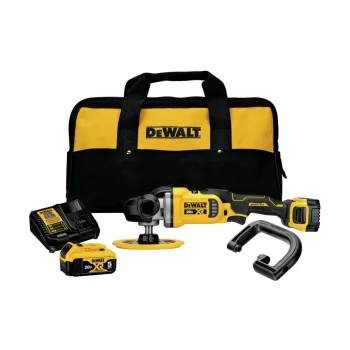
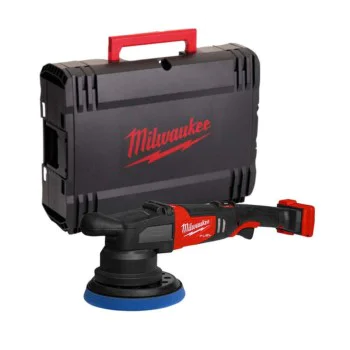
When choosing a machine, the first consideration is the type of motion. Rotary polishers rotate the disc around a single axis and work aggressively to remove deeper scratches, oxidation, and sanded areas. They are preferred in service centers, auto detailing shops, and workshops where the operator has experience controlling temperature and pressure.
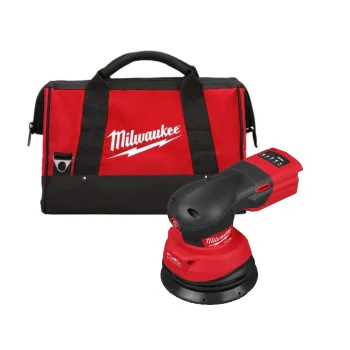
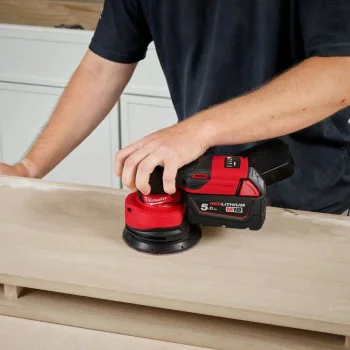
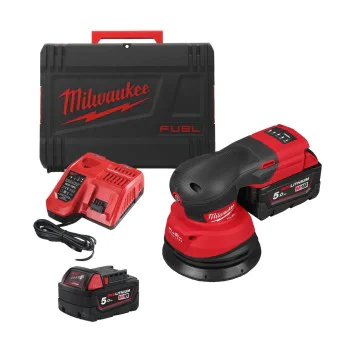
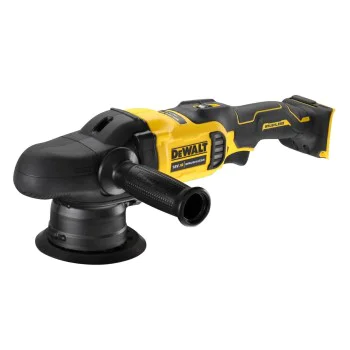
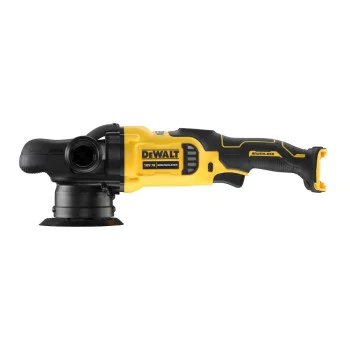
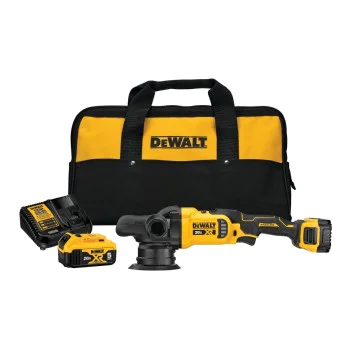
Eccentric polishers operate with an orbital motion and are gentler on the paint. They reduce the risk of holograms and uneven marks, making them a practical choice for finishing operations, vehicle maintenance, and use by less experienced users. Forced-orbit machines combine the advantages of rotary and eccentric technology-a stronger corrective effect, but with better control over the final result.
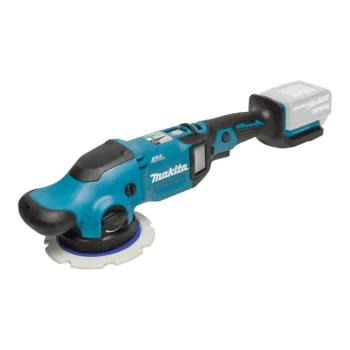
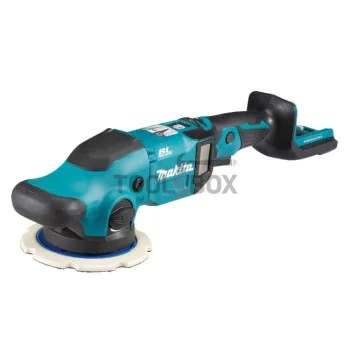
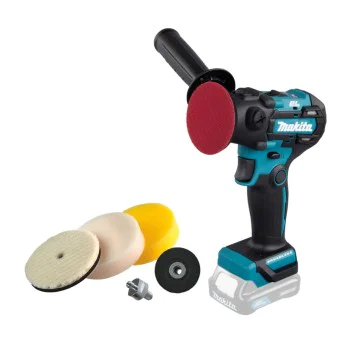
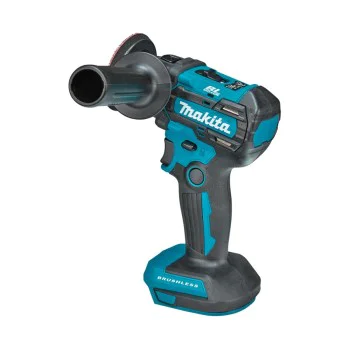
Cordless polishers are convenient for mobile work, processing hard-to-reach areas, and tasks that do not require close contact. Corded models are preferred for prolonged use, as they maintain constant power and do not require breaks for battery charging. For small parts, headlights, trim, and tight spaces, compact machines with smaller pads are used, while models with a larger working diameter are used for hoods, doors, fenders, and large surfaces.
Applications in service centers, workshops, and home use
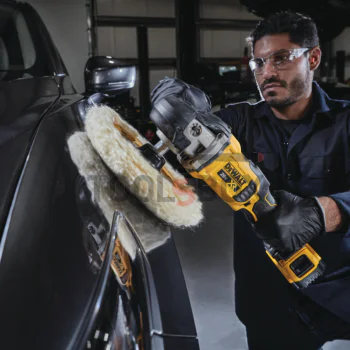
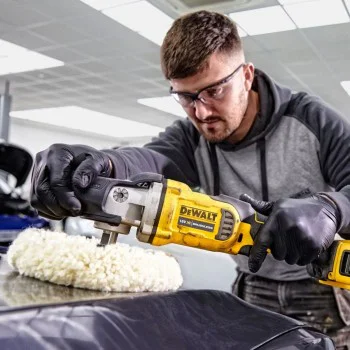
Polishing machines are widely used in automotive detailing-to remove light scratches, dull spots, car wash marks, oxidized paint, and water-sanding residue. With the right compound and the right pad, the machine helps restore color depth and an even gloss. When working on headlights, controlled operation is essential because the plastic heats up more quickly and requires lighter pressure.
In furniture manufacturing and restoration, polishing machines are used for the finishing of varnish, oil, wax, and decorative coatings. For metal parts, they are used for glossing, removing light machining marks, and preparing visible elements. For stone countertops, marble, granite, and artificial stone, the choice of machine and consumables must be based on the material's hardness and the stage of processing.
What to Look for When Choosing a Polishing Machine
Power is important for heavier-duty operations, large surfaces, and working with harder pads. Higher power keeps the RPMs more stable under pressure, but the machine's weight also matters during long sessions. For fine work and hard-to-reach areas, a lighter machine makes control easier and reduces hand fatigue.
Speed control is one of the most useful features in polishing. Low speeds are suitable for applying polish and working on sensitive surfaces, medium speeds for correction, and higher speeds for specific finishing operations depending on the polish and pad. A smooth start reduces polish splatter and helps ensure a cleaner start to the job.
- Motion type: rotary, eccentric, or forced orbital, depending on the desired control and degree of correction.
- Pad diameter: small for details and tight areas, larger for lids, doors, and wide panels.
- Power supply: corded for continuous operation, cordless for mobility and convenience.
- Speed: adjustable according to the material, compound, and stage of processing.
- Ergonomics: comfortable handles, balanced weight, and easy access to controls.
Compatibility with pads, polishes, and accessories
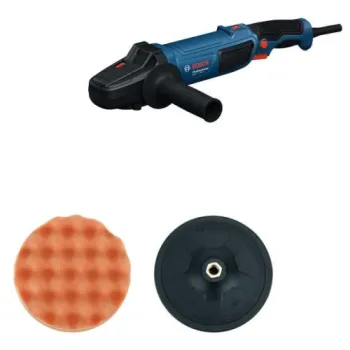
Effective polishing depends not only on the machine but also on the right consumables. Sponges of varying hardness are used for cutting, intermediate processing, and finishing. Wool pads provide stronger correction with rotary machines but require careful control. Microfiber pads are preferred for orbital machines to achieve a good balance between correction and finish.
The pad size must match the machine and the work area. A pad that is too large on a weak machine strains the motor and reduces control. A pad that is too small on a large panel increases processing time. The compatibility of the thread, the type of chuck, and the maximum speed of the accessory must be checked before use.
Safe Operation and Maintenance
The polishing machine works best on a clean surface, free of sand, dust, and hard particles. Contaminants on the paint or pad can leave new marks. Pressure should be moderate, and movement should be even, without lingering in one spot. When working on automotive paint, it is advisable to monitor the panel's temperature, especially along edges, corners, and repainted areas.
After use, the pads should be cleaned of polish and dust, and the machine should be protected from the buildup of polishing residue around the ventilation openings. The cable, clamp, pad, and threaded connections should be inspected periodically. Regular maintenance extends the machine's service life and ensures consistent performance for future tasks.
Choosing Polishing Machines from Toolsbox.bg
Select a polishing machine based on the material, the size of the work area, the desired finish, and your personal experience. For auto detailing, service work, repair tasks, or home maintenance, Toolsbox.bg offers models for various levels of use, along with the necessary accessories and consumables. This makes it easy to equip your machine with the right pads, polishes, and accessories for clean, controlled, and precise finishing.