Your Cart

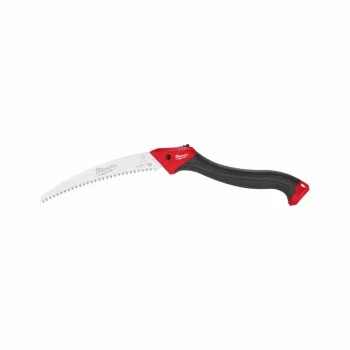
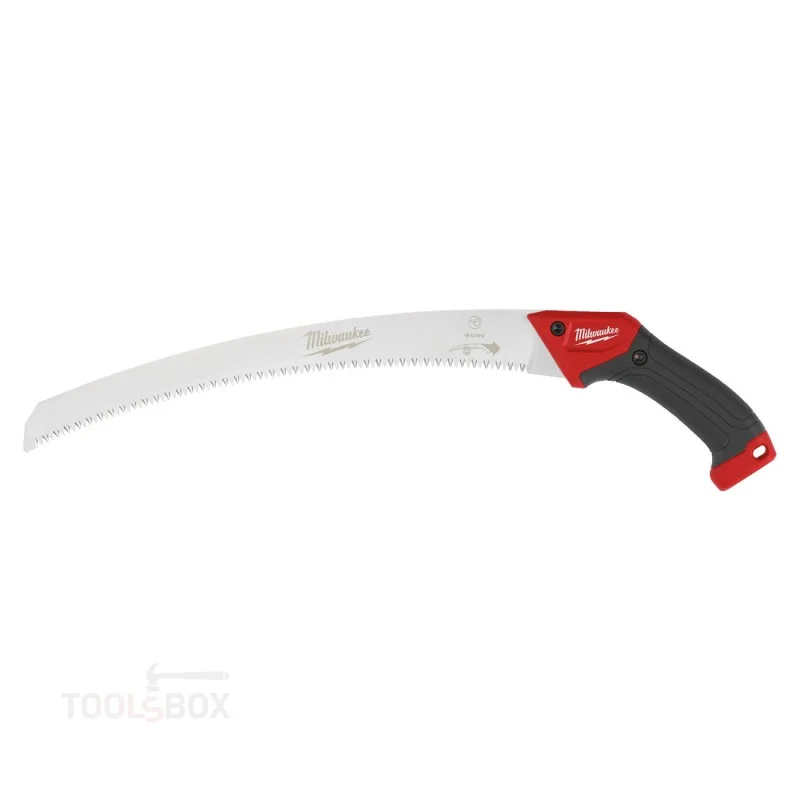
Milwaukee Curved Pruning Saw, 35 cm Blade, 4932498623

Milwaukee Curved Pruning Saw, 35 cm Blade, 4932498623
Second hand Label -15%
Technical specifications:
  • Manufacturer: Milwaukee
  • Article number: 4932498623
  • Type: Hand pruning saw
  • Blade: Curved, about 35 cm
  • Teeth: Japanese geometry, pull-cut
  • Grinding: Quadruple
  • Finish: Chrome-plated
  • Max branch diameter: Up to 200 mm
Categories: Hand tools , Garden , Saws
Milwaukee Curved Pruning Saw, 35 cm Blade, 4932498623
-15%
38.00€
44.95€
Ex Tax: 31.67€
  • Stock: In Stock
  • Brand: Milwaukee
  • SKU:

    4932498623

Магазин ΠœΠ»Π°Π΄ΠΎΡΡ‚
0 Π±Ρ€.
Магазин Π‘Π»Π°Ρ‚ΠΈΠ½Π°
0 Π±Ρ€.
Π‘ΠΊΠ»Π°Π΄
10 Π±Ρ€.

Buy with

48 installments of 1.27€

15 days right of return15 days right of return
Preview before paymentPreview before payment
Official distributorOfficial distributor
Secure online paymentSecure online payment

Milwaukee Curved Pruning Saw, 35 cm Blade, 4932498623

Milwaukee article number 4932498623 is a hand pruning saw with a curved blade about 35 cm (14") long. The teeth use Japanese pull-cut geometry and the blade is chrome-plated. Saws in this class handle branches up to 200 mm in diameter.

Pull-cutting - why it suits living wood

A European saw cuts on the push; a Japanese saw cuts on the pull. The difference is mechanical and it has concrete consequences. On the push, the blade works in compression and must be thick enough not to buckle. On the pull, it works in tension - and steel takes many times more tension than compression. That is why a Japanese blade can be substantially thinner at the same strength.

Two things follow in practice: a narrower kerf, meaning less material to remove and less effort; and better control starting the cut, because on the pull the blade does not skate across the bark the way it does on the push.

The curved blade

The curve is not styling. When pruning overhead - the most common posture with a saw like this - a curved blade holds itself in the cut: the weight of your arm and the direction of pull press it into the bottom of the kerf rather than pushing it out. With a straight blade you have to add pressure yourself, and with your arm raised that is exactly what tires you.

Quadruple-ground teeth

The teeth are ground on four faces. Each tooth cuts with several edges rather than one, which spreads the wear and holds the edge considerably longer. On living wood that has a second meaning: a sharp tooth severs the fibres, while a blunt one tears them - and a torn cut heals slowly and is an entry point for fungal infection.

Chrome-plated blade

Chrome plating does two things at once: it reduces friction in the cut, which matters in living wood because of resin and sap, and it prevents corrosion. Pruning saws are used seasonally and often put away damp - the chrome is what preserves them between seasons.

How to cut a branch properly

A branch more than a few centimetres thick is cut in three passes. First an undercut 20-30 cm out from the trunk, about a third of the way through. Then cut from above, slightly further out - the branch falls and the undercut stops the bark tearing down the trunk. Finally, take the stub off at the branch collar, without cutting into the collar itself: that is the tissue the tree uses to close the wound.

Maintenance

After use, clean off resin and wipe the blade dry. Japanese-geometry teeth are difficult to sharpen and are generally not restored at home - with saws of this type the blade is replaced. That makes cleaning and dry storage more important than on a conventional saw.

Technical specifications

Manufacturer Milwaukee
Article number 4932498623
Type Fixed-blade hand pruning saw
Blade Curved, about 35 cm (14")
Tooth geometry Japanese, pull-cut
Grinding Quadruple
Blade finish Chrome-plated
Maximum branch diameter Up to 200 mm
Handle Two-component, with hanging hole

Questions and Answers

What does pull-cutting mean?

The teeth cut when the saw is pulled towards you, not pushed. The blade then works in tension rather than compression and can be substantially thinner at the same strength - hence the narrower kerf and lower effort.

Why is the blade curved?

Pruning overhead, a curved blade holds itself in the cut - the weight of your arm and the pull direction press it into the bottom of the kerf. A straight blade needs added pressure, which with a raised arm tires you quickly.

What branch diameter will it cut?

Saws in this class handle branches up to 200 mm. For thicker branches, and for repetitive work, a chainsaw is the sensible choice.

How do I cut a thick branch properly?

In three passes: an undercut 20-30 cm from the trunk (about a third through), then a cut from above slightly further out, and finally the stub removed at the branch collar. The undercut stops the bark tearing down the trunk.

What does quadruple grinding achieve?

Each tooth cuts with several edges instead of one, spreading the wear and holding the edge longer. A sharp tooth severs the fibres while a blunt one tears them - and a torn cut heals slowly.

Can the blade be sharpened?

Japanese-geometry teeth are hard to sharpen and generally not restored at home. With saws of this type the blade is replaced - which makes cleaning and dry storage more important than on a conventional saw.

What is the chrome plating for?

It reduces friction in the cut - which matters in living wood because of resin and sap - and prevents corrosion. Pruning saws are used seasonally and often put away damp.

Write a review

Note: HTML is not translated!
Rating
Bad Good

The delivery of each order is carried out on the territory of the Republic of Bulgaria with the courier company "ECONT EXPRESS" Ltd. and can be to their office or to an address specified by the client. The products are in their original packaging from the manufacturer. Each order includes the option: Preview and test before payment.

Free shipping

Toolsbox.bg offers its customers free shipping for all orders with total value over 76 β‚¬ and weight up to 20 kg., to the Econt office for Bulgaria specified by the client!

Delivery time

The delivery time, to the address or to the office of the courier company, is from 1 to 3 (three) working days from the date on which the order was received and confirmed. If certain circumstances require a delay in the specified delivery times, we will notify you in a timely manner.

Deliveries are made every weekday from 9:00 to 18:00 and until 13:00 on Saturday. No deliveries are made on Sundays or public holidays.

The customer can track their shipment with their waybill number at: https://www.econt.com/services/track-shipment

Delivery cost

For all orders up to €76 or over 20 kg. a delivery fee is charged to the courier company. The delivery cost is formed depending on the dimensions and weight of the shipment, as well as your location.

We wish you a pleasant shopping!
The Toolsbox.bg team