
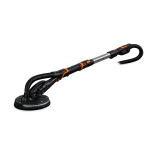
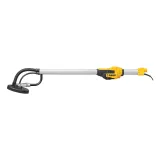
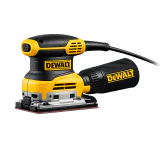
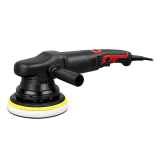
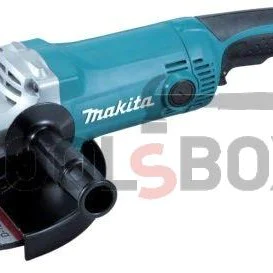
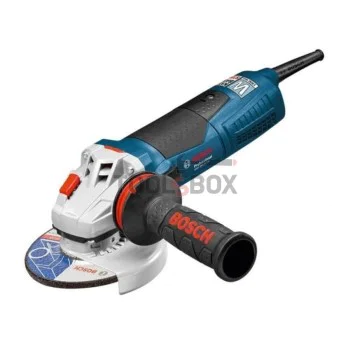
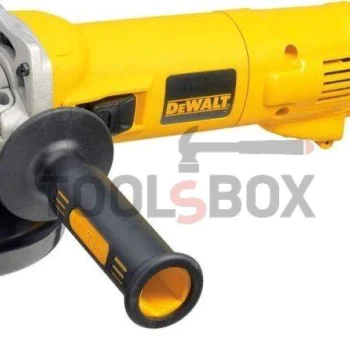

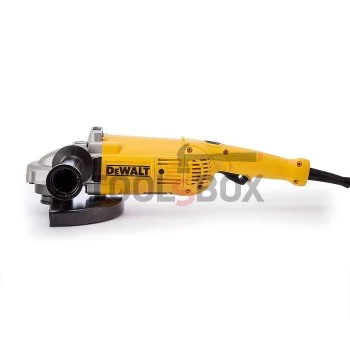
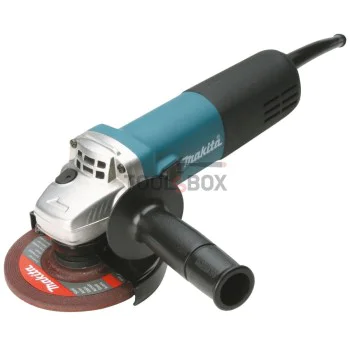
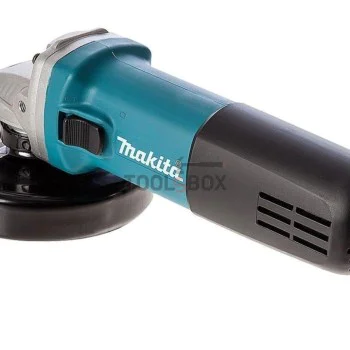
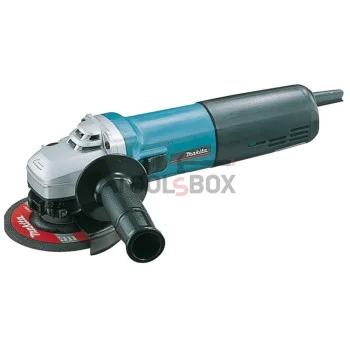
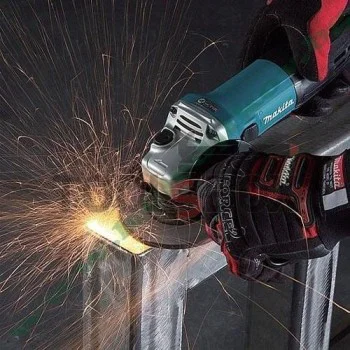
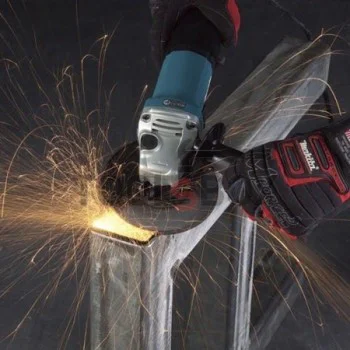
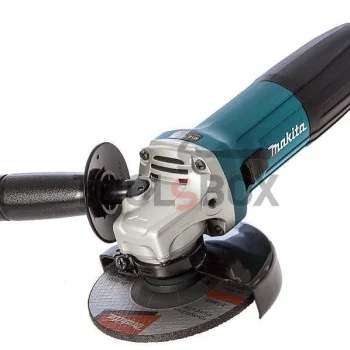
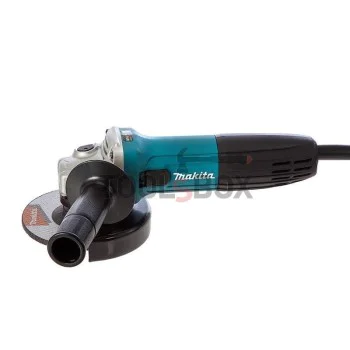
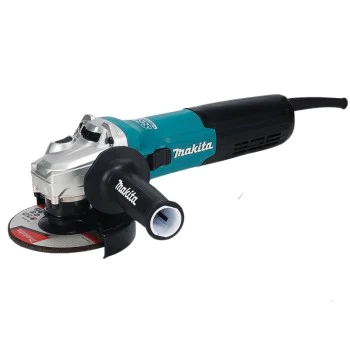
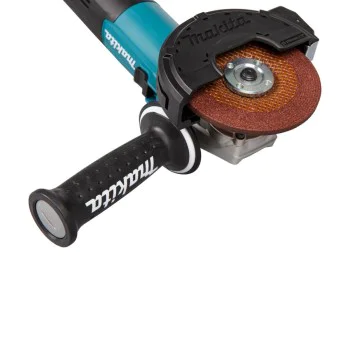
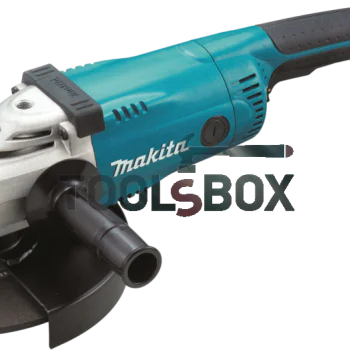
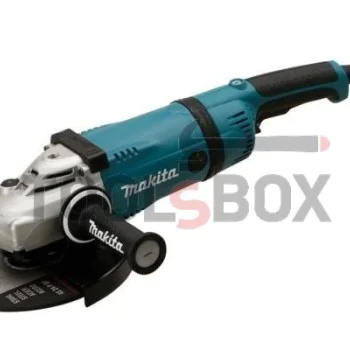
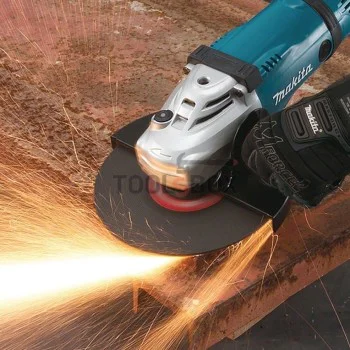
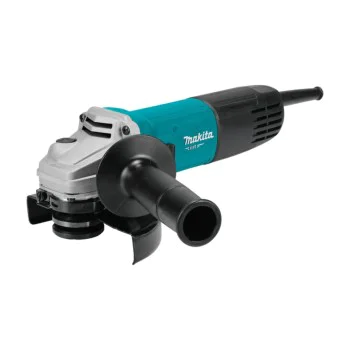
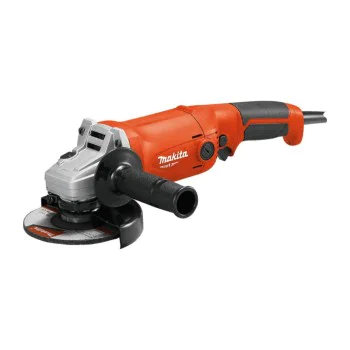

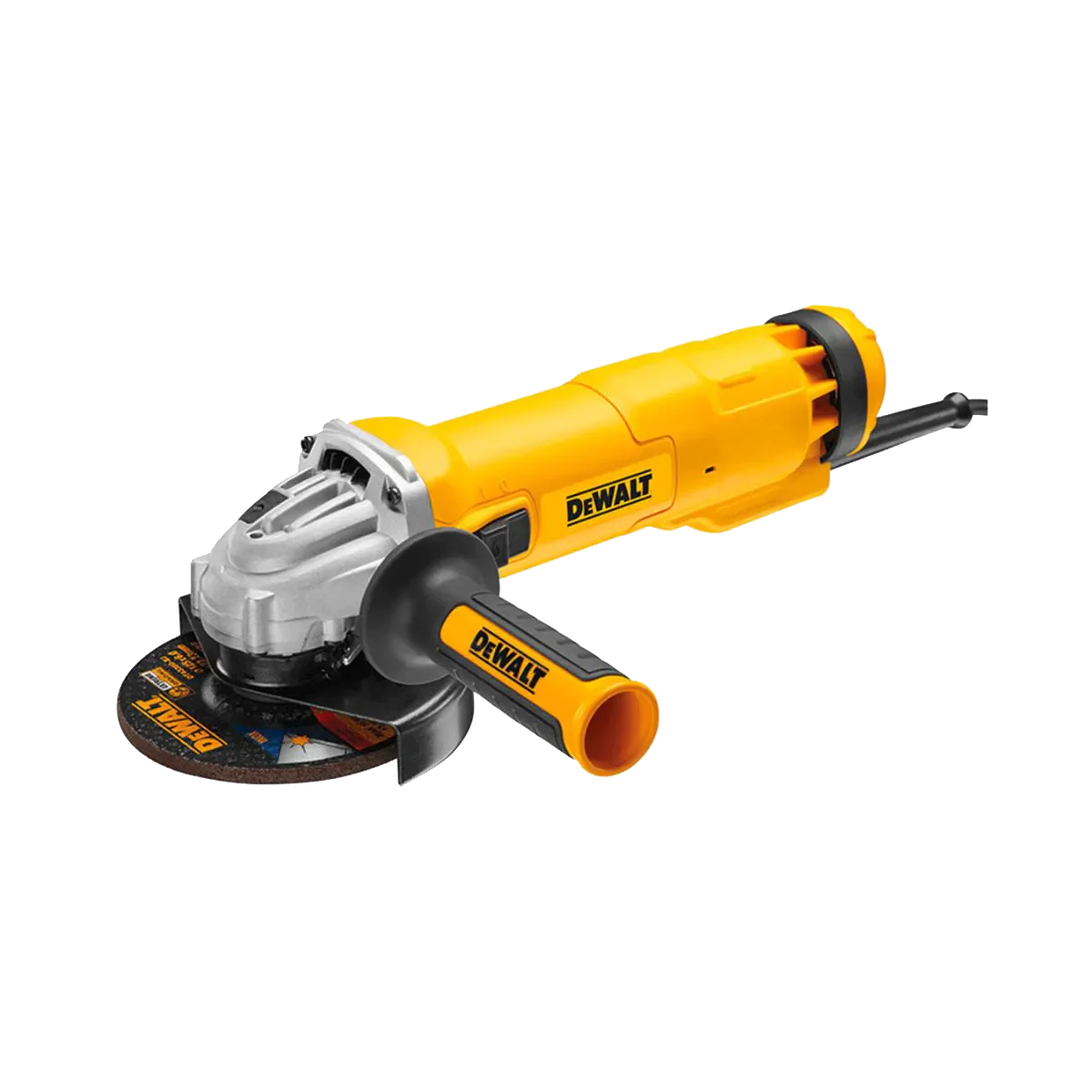
Grinding machine
Grinder for working with metal, wood, stone, and concrete
A grinder is a power tool used for grinding, cutting, smoothing, rust removal, chamfering, surface preparation, and polishing. This type of tool is used in construction, repairs, installation, auto repair, furniture making, metalworking, and home workshop maintenance. Different designs are suited for specific tasks-from rough material removal to fine finishing before painting, varnishing, or assembly.
When it comes to power tools for sanding, the choice isn't just about power. The shape of the body, the size of the disc or pad, the speed, the power source, vibration control, the method of securing the accessory, and compatibility with abrasives all matter. When working with metal, stable speed and good gear protection are essential. For wood, the key factors are uniform sanding, dust collection, and a comfortable grip. For stone, concrete, and brick, the focus is on load capacity, cooling, and the ability to use diamond discs or cups.
Types of grinders based on the task
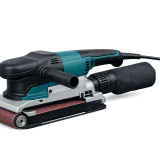
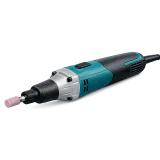
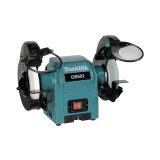
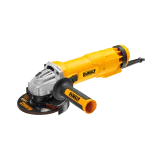
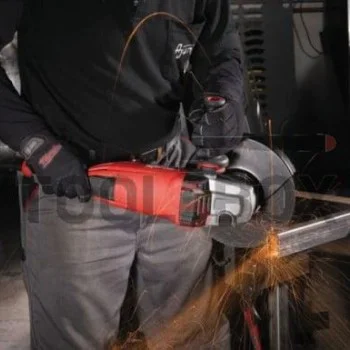
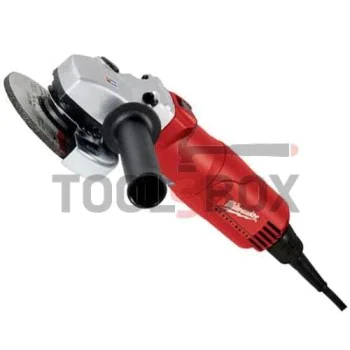
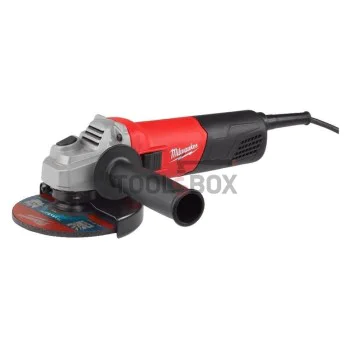
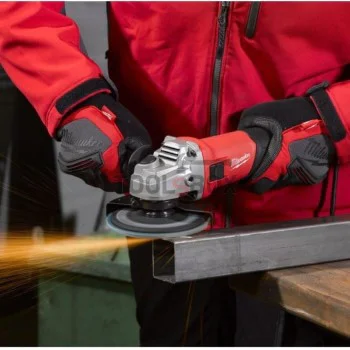
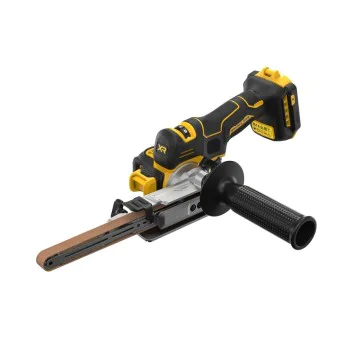
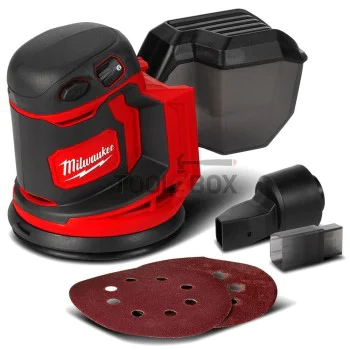
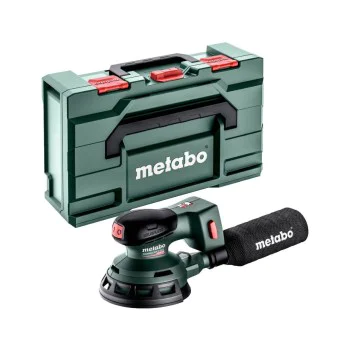
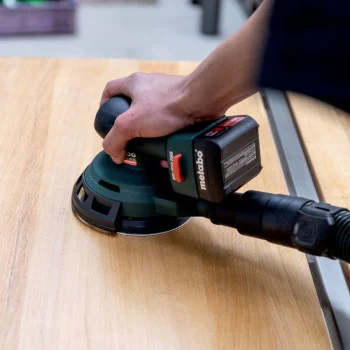
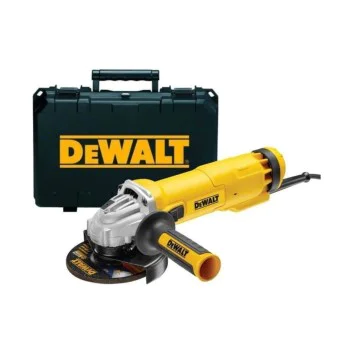
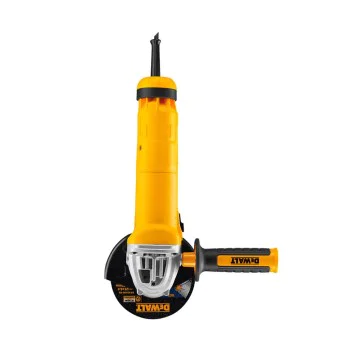
The term "grinder" encompasses several groups of power tools. The angle grinder is preferred for cutting and rough sanding of metal profiles, rebar, sheet metal, tiles, stone, and concrete. The orbital sander is suitable for flat wooden surfaces, doors, countertops, and panels. The random-orbit sander combines rotational and orbital motion, achieving a smoother finish on wood, putty, varnish, and plastic. The belt sander removes a larger amount of material and speeds up the processing of boards, beams, and rough parts. The straight grinder is used for tight spaces, openings, cleaning up welds, and irregularly shaped parts.
| Type of sander | Application | Consumables |
|---|---|---|
| Angle grinder | Cutting, grinding, and deburring of metal, stone, and concrete | Cutting discs, sanding discs, flap discs, diamond discs |
| Orbital sander | Fine sanding of flat surfaces | Sandpaper of various grits, sheets, and perforated abrasives |
| Random-orbit sander | Finishing and polishing | Round sanding discs, pads, polishing sponges |
| Belt sander | Rapid material removal from wood and rough workpieces | Abrasive belts in various sizes and grits |
| Straight sanding | Fine finishing in tight spaces and weld cleaning | Drill bits, grinding stones, small abrasive bits |
How to choose a grinder based on the job
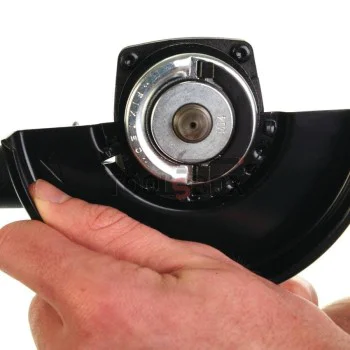
For cutting metal pipes, profiles, and fasteners, look for an angle grinder with a disc size appropriate for the cutting depth. Smaller discs are convenient for installation and overhead work, while larger ones provide a deeper cut and are better suited for heavy-duty parts. When grinding welds and removing rust, a stable side handle, a protective guard, and easy disc replacement are useful.
For woodworking, the choice is between a orbital, random-orbit, or belt sander. Fine sanding before varnishing requires a smooth, even motion and the correct grit of sandpaper. When rough-sanding old varnish, paint, or uneven surfaces, the belt sander saves time but requires more careful guidance, as it removes material more aggressively. For curved parts, furniture elements, and transitions, the random-orbit sander provides a smoother finish.
For tiles, stone, and concrete, check compatibility with diamond discs, cups, and safety accessories. Working with mineral materials generates dust and puts a strain on the motor, so proper dust extraction, a sturdy housing, and the right consumables extend the machine's service life. For extended operations, a soft start, speed control, and restart protection are useful, provided the specific model offers these features.
Power Supply, Power, and Operational Control
Corded grinders are chosen for continuous use in workshops, service centers, and construction sites where constant power is a priority. Cordless models offer freedom for installation, on-site repairs, working at heights, and short service tasks away from a power outlet. When choosing them, pay attention to battery voltage, capacity, compatible platform, and whether a charger is included in the kit.
Power affects performance under load, but it is not the only criterion. For rough cutting and grinding of hard materials, a more powerful motor and a stable gearbox are required. For finishing work, speed control, low vibration, and smooth movement across the surface are more valuable. When working with different materials, speed control helps achieve a cleaner finish and reduces the risk of the workpiece overheating.
Consumables and Compatibility
The result of the work depends largely on the correct abrasive. Metal cutting discs cannot be substituted with discs for stone or wood. Flap discs are a good choice for deburring, edge removal, and weld finishing. Diamond discs are used on tiles, porcelain tiles, concrete, and brick. Sanding discs and belts are selected based on size, mounting method, and grit-coarse for material removal, medium for leveling, and fine for the final finish.
Before purchasing, check the disc diameter, mounting hole, belt or pad size, Velcro attachment type, and the maximum RPM of the accessory. An incompatible abrasive impairs cutting performance, strains the motor, and increases the risk of accidents. When sanding wood and varnishes, it is practical to use the machine with a dust bag, dust collection box, or vacuum adapter, when the design allows it.
Safety and Maintenance of a Sander
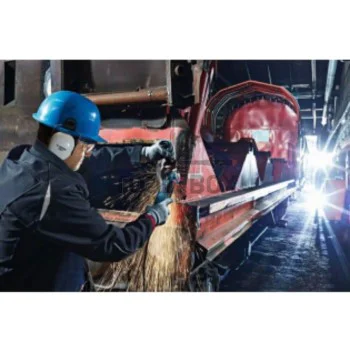
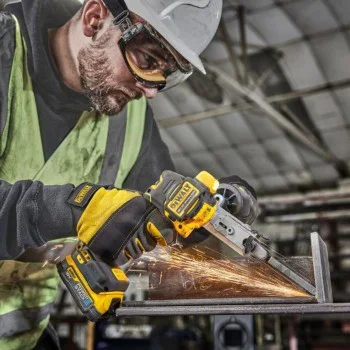
Working with a grinder requires safety goggles, gloves, hearing protection, and secure clamping of the workpiece. The guard on the angle grinder must not be removed during cutting or grinding. The disc must be mounted according to the markings, without applying side pressure during cutting, and damaged or cracked discs must not be used. When working with wood and varnishes, dust accumulates quickly; therefore, regularly cleaning the ventilation openings and the work area protects the motor and improves visibility.
To extend the power tool's service life, avoid overloading the machine, allow it to reach full speed before contact with the material, and store it in a dry place, away from dust and moisture. For cordless models, protect the batteries from complete discharge and high temperatures. For corded models, check the cord, plug, and power switch before use.
Grinder for professional and home use
Professional users typically look for durability under heavy loads, quick replacement of consumables, a secure grip, and the ability to work with dust extraction. For home use, compact models are often sufficient for repairs, maintenance, furniture finishing, metalwork, and small installation tasks. For any task, the right choice of machine and accessory saves time, reduces wear and tear, and delivers a cleaner end result.
Browse the sanders at Toolsbox.bg and select a model based on the material, workload, size of the accessory, and working conditions in your workshop, service center, or construction site.